
Full health check-up in Turkey: check your health before a problem appears
Why a check-up matters, which tests to choose for your age, how it works, results, price and what happens if something is found.
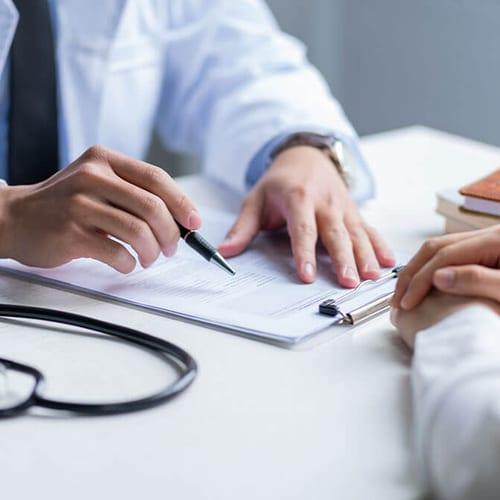
What is a full health check-up?
A full health check-up brings together, in one or two days at the same hospital, the blood tests, imaging and consultations that are useful at your age. In Turkey, it costs from $925 to $2,650 depending on the tests included, such as MRI, endoscopy or colonoscopy.
Its aim is simple: to check that everything is fine, and to detect early a disease that does not yet cause any symptoms. High blood pressure, diabetes, high cholesterol, some cancers and liver diseases often develop silently for years. Finding them early makes them easier, and often more effective, to treat.
In Turkey, private hospitals offer organised check-ups: you go from one test to the next without waiting weeks between appointments, and a doctor explains the results at the end.
Turquiemed organises your check-up: choice of tests with a doctor, hospital appointment, detailed quote within 48 hours, airport pick-up, transfers, hotel, interpreter and 7-day-a-week assistance.
- Price in Turkey
- $925 to $2,650 depending on the tests
- Time at hospital
- 1 day, sometimes 2 with a colonoscopy
- Recommended stay
- 2 to 4 days
- Results
- Most on the same day or within 48 hours
- Fasting
- Yes, on the morning of the blood tests
- Who for
- Adults, especially after 40 or with a family history
Why is a health check-up important?
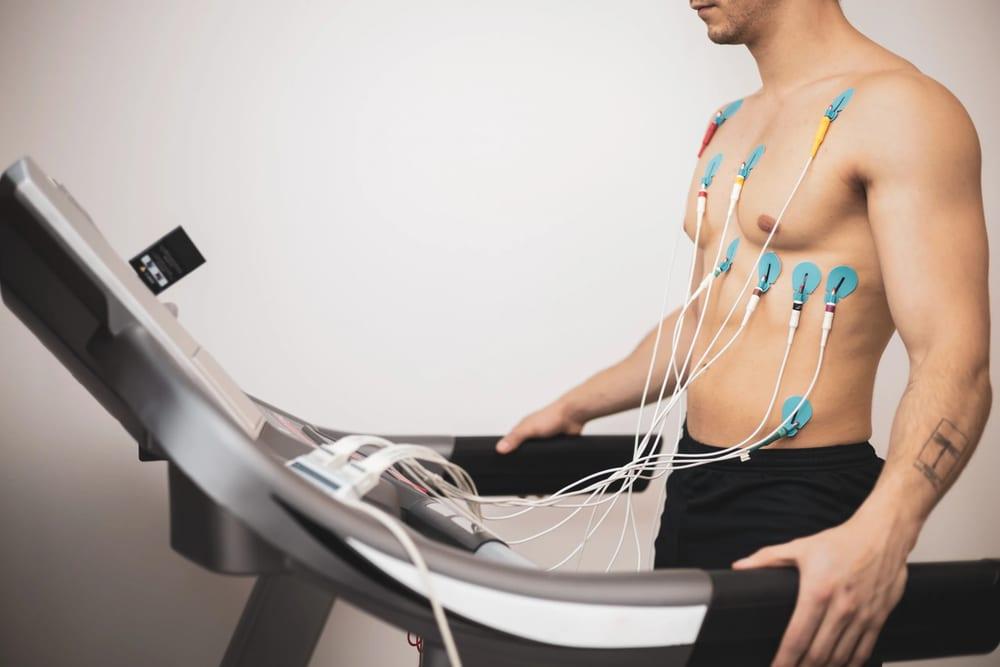
Because the most common diseases almost always start without symptoms, and a disease found early is easier, simpler and cheaper to treat. A check-up moves you from “I see a doctor when it hurts” to “I check before it is too late”.
Common diseases that do not hurt at first
- Heart and blood vessel diseases are the leading cause of death worldwide: about 19.8 million deaths in 2022, or 32% of all deaths, according to the WHO. Their risk factors (blood pressure, cholesterol, diabetes) cannot be felt but are easy to measure.
- Diabetes affects about 830 million people worldwide, and in 2022, 59% of people with diabetes aged 30 or over were not taking any treatment (WHO). Many do not know they are ill: a simple blood test is enough to find out.
- Cancers are much easier to treat when found early. According to the WHO, a large share of cancers can be prevented or cured through prevention and early diagnosis. Some tests, such as colonoscopy, can even remove polyps before they become cancer.
What a check-up can change
| What the check-up can find | Why finding it early matters |
|---|---|
| High blood pressure, cholesterol | Treating them lowers the risk of heart attack and stroke |
| Diabetes or prediabetes | Diet and treatment prevent complications (heart, kidneys, eyes, feet) |
| Colon polyps | Removed during the colonoscopy, they can no longer become cancer |
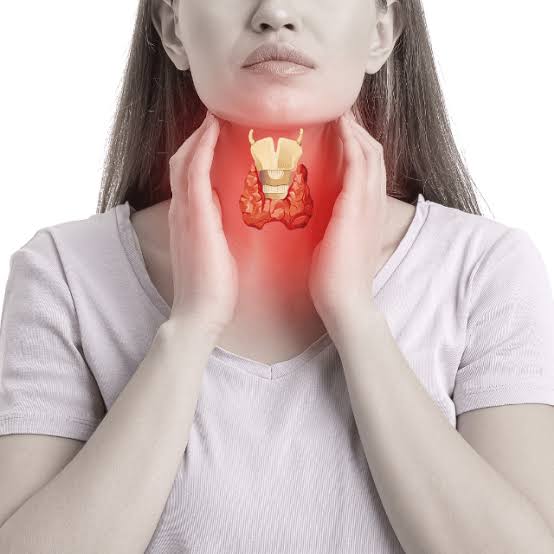
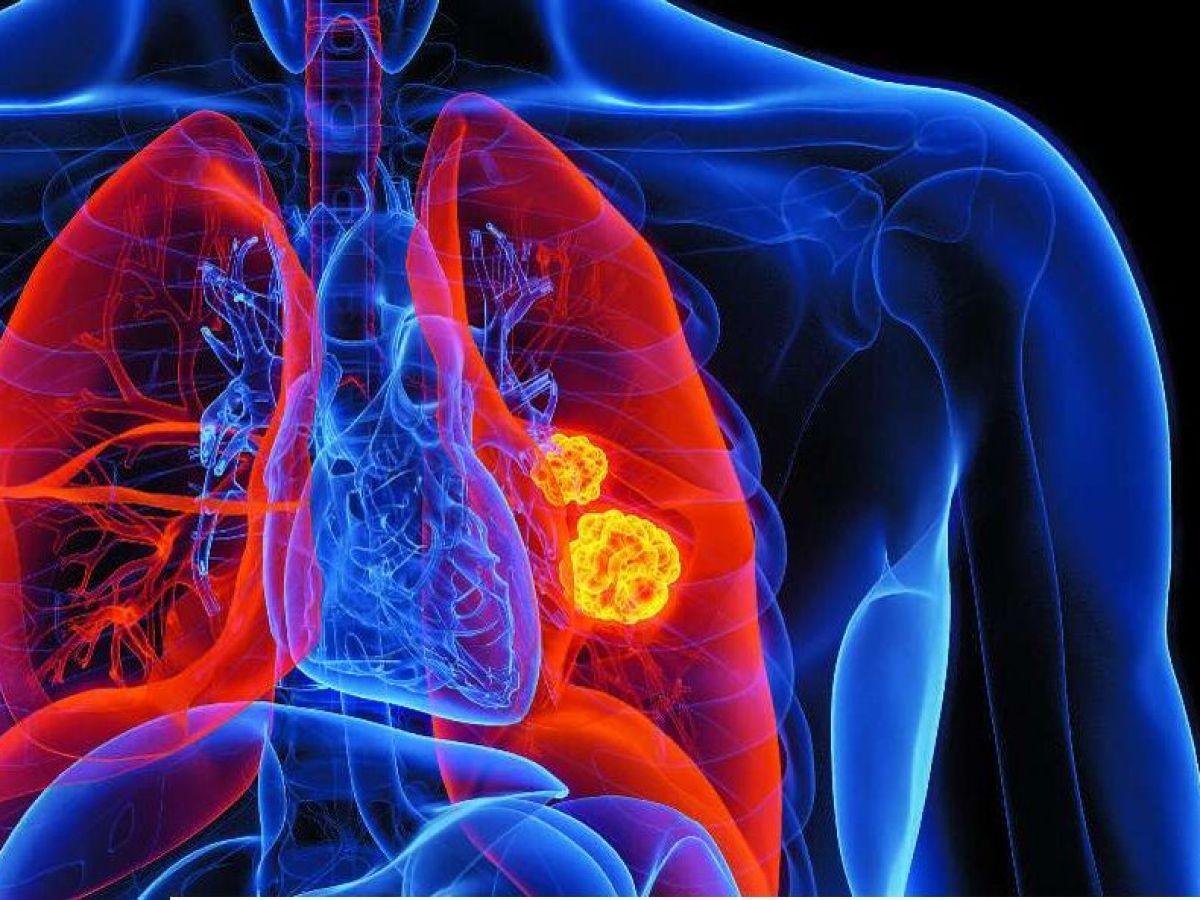
| Thyroid, breast or lung nodule | A nodule found early is monitored or treated at an early stage |
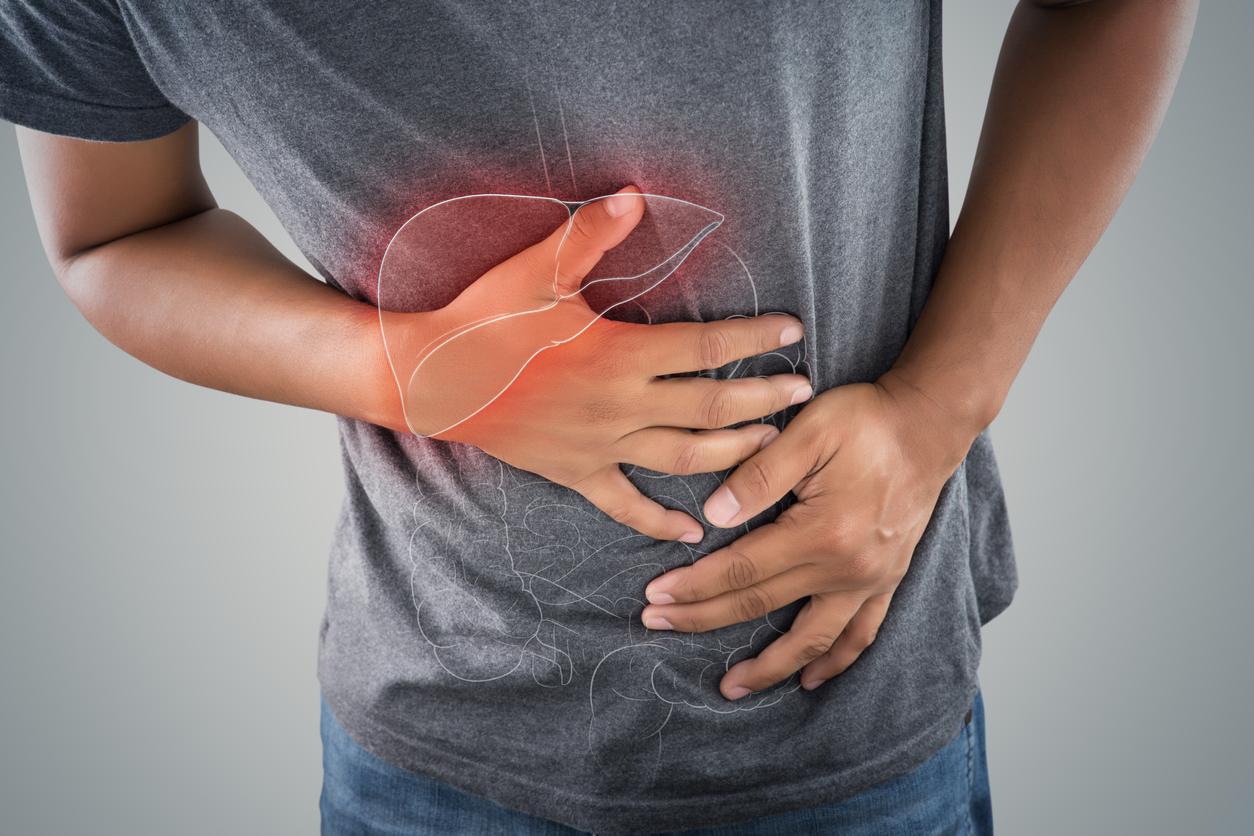
| Liver or kidney disease | Often silent; some causes can be corrected if you act early |
| Anaemia, deficiency, thyroid disorder | Sometimes explains tiredness, and is easy to treat |
What if something is found?
That is exactly the point of a check-up. In most cases, the results are reassuring or show a risk factor to correct: slightly high blood pressure, cholesterol, a deficiency. When a more serious problem is found, it is usually at a stage where treatment is simpler and more effective.
The doctor explains the results and the next steps: a further test, a specialist opinion, treatment or simple monitoring. You leave with all your reports for your own doctor. If treatment is needed, you can have it at home or, if you wish, in Turkey: see for example our pages on colon cancer or breast cancer.
How much does a full health check-up cost in Turkey?
In Turkey, a full check-up costs $925 to $2,650 with Turquiemed: about $925 for a basic check-up, and up to $2,650 with advanced tests such as MRI, endoscopy or colonoscopy. The price therefore depends mainly on the tests chosen.
| Level | What it usually includes | Price |
|---|---|---|
| Essential check-up | Consultation, blood and urine tests, electrocardiogram, abdominal ultrasound, chest X-ray | From $925 |
| Extended check-up | Essential check-up, plus heart ultrasound or stress test, thyroid ultrasound, tests by sex (mammogram, smear, PSA) | On quote, depending on tests |
| Complete check-up | Extended check-up, plus endoscopy and colonoscopy under sedation, MRI or CT scan as needed | Up to about $2,650 |
The exact content of each check-up varies by hospital. Your quote lists every planned test, so you know exactly what you are paying for.
What affects the price
- Imaging: an MRI or CT scan costs more than an ultrasound;
- Endoscopy and colonoscopy, done under sedation with an anaesthetist;
- Specialised tests: markers, hormone tests, vitamins;
- Specialist consultations: cardiologist, gynaecologist, urologist;
- The stay: hotel, transfers and interpreter, depending on the option chosen.
Is a check-up covered by insurance?
Usually not: a check-up done abroad on your own initiative is rarely covered by public health insurance. Some private insurance policies include a prevention allowance: check your policy.
Why choose Turkey for a health check-up?
Choosing Turkey for a check-up means having all your tests in one or two days at the same modern hospital, getting fast results explained by a doctor, knowing the price in advance and being supported in English from your first message until after you return.
What gives a check-up its value is not the number of tests: it is their relevance, how quickly results come back and how they are explained to you. Here are the strengths of a check-up in Turkey with Turquiemed.
1. All tests in one or two days, at the same hospital
Blood tests, electrocardiogram, ultrasounds, MRI, endoscopy, colonoscopy and consultations are done at the same hospital, often on the same day. A guide takes you from one department to the next: you do not have to find your way or wait between tests.
Elsewhere, getting all these tests often requires several appointments with different specialists, sometimes over weeks or months. Here, everything is grouped into one or two days.
2. Modern, well-equipped hospitals
Major private hospitals in Turkey have MRI, CT, endoscopy units and modern laboratories on site. Many Turkish hospitals are JCI-accredited, the international accreditation for healthcare facilities.
3. Fast results, explained by a doctor
Most results are available on the same day or within 48 hours. At the end of the check-up, a doctor goes through each result with you, tells you what is normal, what needs monitoring and what to do next. You do not leave with a pile of figures and no explanation.
4. A check-up tailored to your age and history
Before you travel, a doctor suggests the tests that are useful for you, based on your age, sex, personal and family history and habits (smoking, weight, activity). You do not pay for unnecessary tests, and nothing important is forgotten: a colonoscopy after 50, a heart assessment if you have risk factors, a mammogram depending on age.
5. A clear price, known before you travel
From $925 to $2,650 depending on the tests chosen. Your quote lists every planned test before any booking: you know exactly what you are paying for, with no surprises on site.
6. Support in English, from start to finish
You talk to Turquiemed in English, by WhatsApp or email, from your very first message. At the hospital, an interpreter accompanies you to the consultations and the results summary: you understand every explanation and can ask all your questions.
7. Next steps organised if something is found
You leave with all your reports and images to give to your own doctor. If something abnormal is found, we help you organise what comes next: a further test during your stay, a specialist opinion, or treatment at home or in Turkey if you wish. The stay remains short: 2 to 4 days in total, and many patients take the opportunity to discover Istanbul.
| In Turkey with Turquiemed | Often elsewhere | |
|---|---|---|
| Organisation | All tests in 1 to 2 days, at one hospital | Several appointments, sometimes over weeks or months |
| Choice of tests | Suggested by a doctor based on your age and history | To organise test by test |
| Equipment | MRI, CT, endoscopy and laboratory on site | Tests spread across several places |
| Results | Most on the same day or within 48 hours, explained by a doctor | Varies by test |
| Price | $925 to $2,650, detailed quote before you travel | Varies, test by test |
| Language | English-speaking contact and interpreter on site | To organise yourself |
| After the check-up | Reports provided, next steps organised if needed | Often on your own for what comes next |
Which tests does a full check-up include?
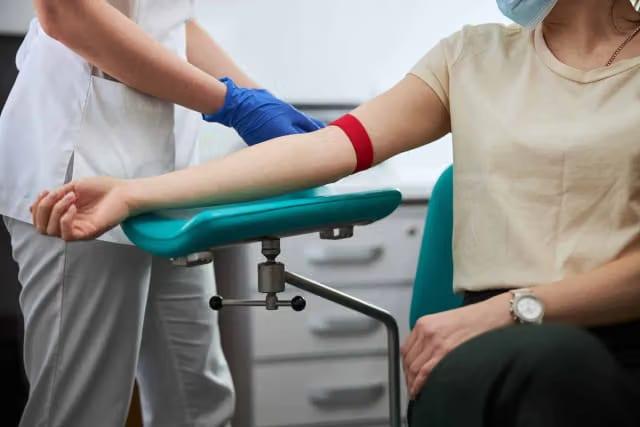
A full check-up combines blood tests, a heart assessment, imaging and, depending on age, screening tests such as colonoscopy or mammography. The doctor adapts the list to your age, sex and medical history.
Blood and urine tests
- full blood count (anaemia, infection);
- blood sugar and HbA1c (diabetes);
- cholesterol and triglycerides;
- liver and kidney function;
- thyroid, vitamins and iron as needed;
- urine test; PSA for men depending on age.
Heart and blood vessels
- blood pressure and electrocardiogram;
- heart ultrasound (echocardiogram) and stress test, depending on age and risk factors;
- ultrasound of the neck arteries (carotids) in some check-ups.
Imaging
- abdominal ultrasound (liver, gallbladder, kidneys, pancreas);
- chest X-ray or CT scan, particularly for smokers;
- thyroid ultrasound;
- MRI when useful, for example of the brain or spine, depending on history.
Endoscopy and colonoscopy
Endoscopy (gastroscopy) examines the oesophagus and stomach; colonoscopy examines the whole colon. Both are done under sedation, so without pain, and small polyps can be removed during the test. Colonoscopy requires bowel preparation the day before (diet and laxative), which is why a check-up with colonoscopy often takes two days.
Tests by sex
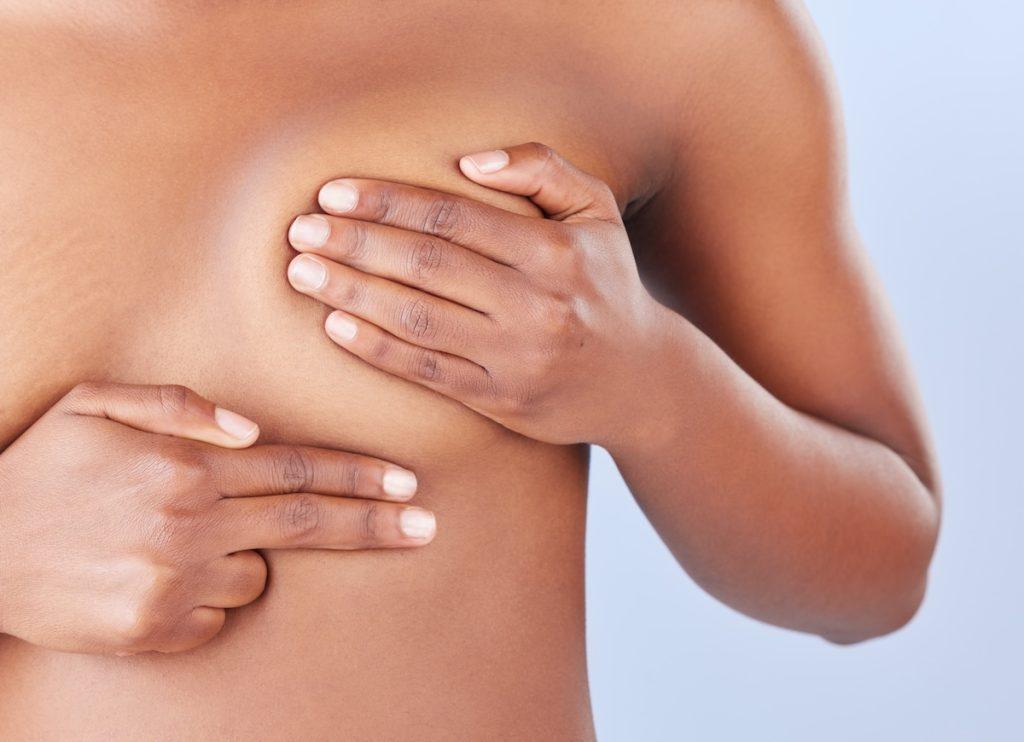
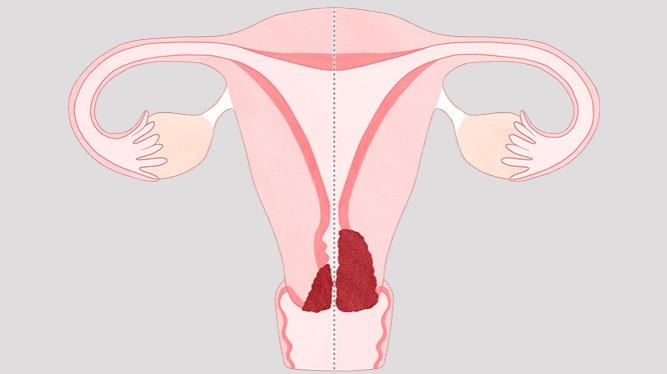
- Women: gynaecological consultation, smear or HPV test, pelvic ultrasound, mammogram and breast ultrasound depending on age;
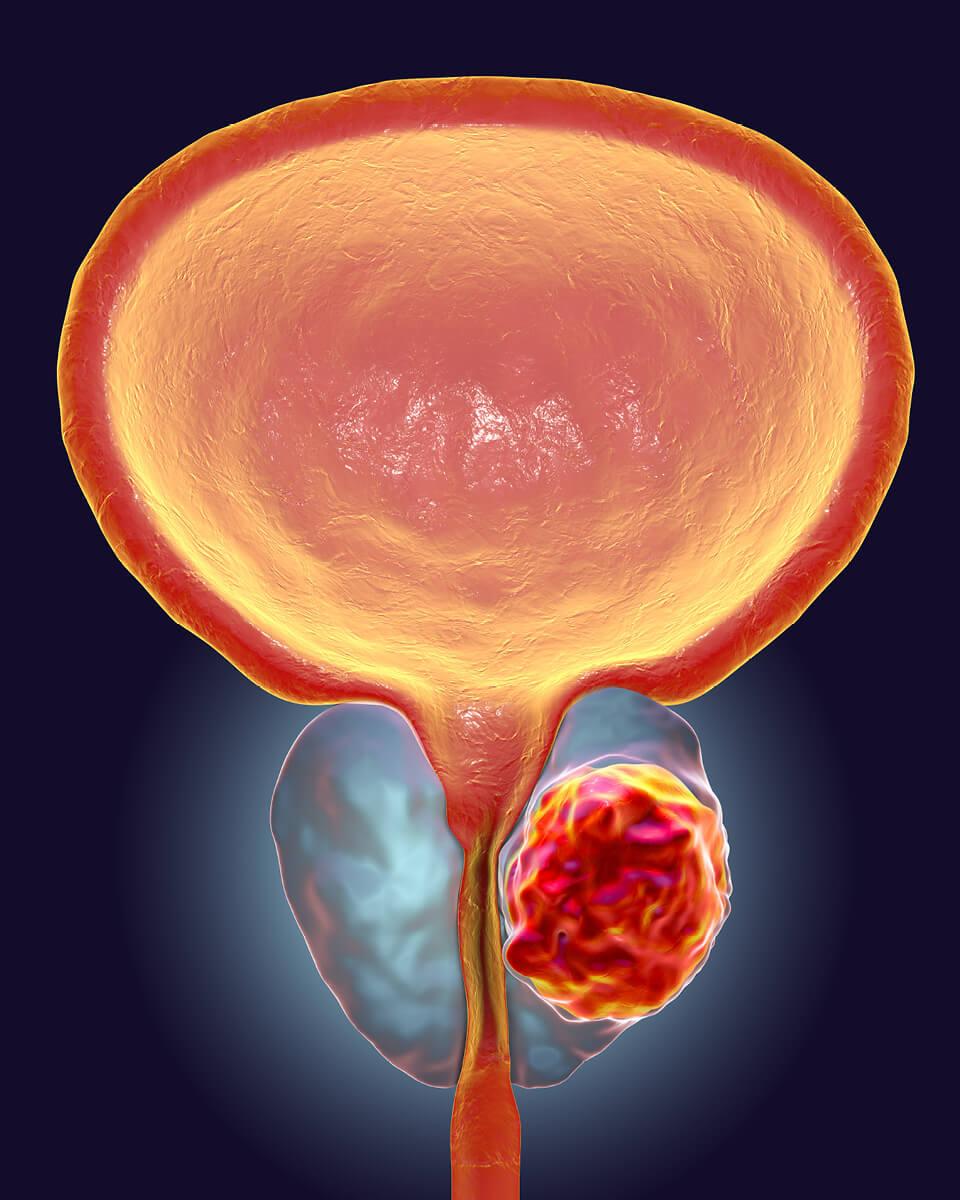
- Men: PSA and urology consultation depending on age and history.
Which tests for your age?
| Age | Common points of attention |
|---|---|
| 30 to 40 | Blood tests, blood pressure, cholesterol, thyroid; smear for women |
| 40 to 50 | Heart assessment, abdominal ultrasound, mammogram as recommended |
| Over 50 | Colon cancer screening (colonoscopy), mammogram, PSA for men on medical advice, more thorough heart assessment |
These are general guidelines. A family history (cancer, heart disease, diabetes) may justify some tests earlier. Screening programmes vary from country to country: ask your doctor what is recommended where you live.
More tests do not mean a better check-up: an unnecessary test can find minor, harmless findings that cause worry and lead to more tests. The doctor helps you choose the ones that make sense for you.
How does a check-up in Turkey work?
- You send us your request. Through the website form or on WhatsApp, with your age, medical history, medication and the tests you are interested in.
- A doctor suggests the right check-up. We forward your request to our partner hospitals, which propose a list of tests.
- You receive your detailed quote. Within 48 hours: the list of tests, time on site and price, free and without obligation.
- We organise your trip. Hospital appointment, hotel, airport transfer and interpreter.
- You leave with all your results. Reports and images, to give to your own doctor.
The day of the check-up
- In the morning, fasting: welcome, blood and urine tests.
- Then the tests: electrocardiogram, ultrasounds, X-ray or MRI, consultations, from one department to the next with a guide.
- Endoscopy and colonoscopy, if planned: under sedation, followed by a rest period. Do not drive that day.
- The summary: a doctor goes through the available results and next steps with you.
How to prepare
- come fasting in the morning (no food since the evening before, unless told otherwise);
- bring the list of your medicines and previous test results;
- for a colonoscopy, follow the preparation given by the hospital the day before;
- mention any blood thinners, diabetes or allergies.
Some results, such as the analysis of a polyp removed during colonoscopy, take a few more days: they are sent to you after you return home.
After the check-up: what to do with your results?
Give all your reports to your own doctor, follow the advice given, and plan your next check-up at the right time, often in 1 to 3 years depending on your age and results.
Normal results
This is the most common outcome. The check-up then serves as a reference point: at the next check-up, the doctor can compare and spot changes more easily. Keep your results and images safe.
A risk factor to correct
Slightly high blood pressure, cholesterol, borderline blood sugar, excess weight, a deficiency: these results are not a disease but a warning. Simple changes often have a big effect:
- stop smoking, the most effective prevention measure;
- limit alcohol and salt;
- move for at least 30 minutes a day; walking is enough;
- eat a varied diet, with fruit, vegetables and fewer processed foods;
- keep a stable weight and get enough sleep.
According to the WHO, a large share of cancers could be prevented by acting on risk factors such as tobacco, alcohol, excess weight and lack of physical activity.
A finding that needs follow-up
The doctor tells you clearly whether a further test is needed and how soon. It can be done in Turkey during your stay, or at home with the check-up reports. Turquiemed can arrange a specialist opinion if you wish.
How to choose your check-up?
A low price is not enough. Ask the hospital these questions before committing:
- Is the hospital authorized by the Turkish Ministry of Health to treat international patients?
- Who will perform the tests, and how experienced are they with this technique?
- Which specific tests are included, and which are recommended for your age and history?
- Will a doctor explain the results at the end, and will you receive all the reports and images?
- What happens if something is found: further tests, specialist opinion, cost?
- Who takes care of a complication, on site and after your return home?
- What medical follow-up is planned, and with whom?
What a good quote should specify
- The name of the hospital and the doctor
- The tests, anesthesia, hospital stay and medication included
- The number of nights in hospital and at the hotel, and the transfers
- What happens in case of complication or cancellation
- The follow-up offered after your return
Also budget for your flight and follow-up consultations. Planned treatment in Turkey is usually not covered by public health insurance: ask your insurer in writing before committing.
Our partner hospitals in Turkey







Frequently asked questions about health check-ups in Turkey
How much does a full health check-up cost in Turkey?
From $925 to $2,650 with Turquiemed: about $925 for a basic check-up, up to $2,650 with tests such as MRI, endoscopy or colonoscopy. The exact price is on your free quote, which lists every test.
How long does a check-up take?
Usually one day at the hospital, sometimes two with a colonoscopy, which requires preparation the day before. Plan 2 to 4 days of stay in total.
From what age should I have a check-up?
A check-up is useful at any adult age, but it is particularly worthwhile after 40, or earlier with a family history, smoking, excess weight or diabetes.
Do I need to fast?
Yes, on the morning of the blood tests: do not eat anything from the evening before. For a colonoscopy, specific preparation is planned the day before.
Is a colonoscopy painful?
No, it is done under sedation: you sleep during the test. You then rest for a few hours and must not drive that day.
When will I get the results?
Most on the same day or within 48 hours, with a summary by a doctor. The analysis of a polyp or biopsy takes a few more days and is sent to you after you return.
What happens if something abnormal is found?
The doctor explains the results and next steps: a further test, specialist opinion, treatment or simple monitoring. You leave with your reports for your own doctor, and you can be treated at home or in Turkey.
Does a check-up replace screening in my country?
No. It complements it, but keep up with the screening recommended where you live (mammogram, colorectal cancer test, smear) and follow-up with your doctor.
Is a check-up covered by insurance?
Usually not when done abroad on your own initiative. Some private insurance policies include a prevention allowance: check your policy.
Can couples have a check-up together?
Yes, it is common: each person has their own check-up, adapted to their age and sex, and you can do the tests on the same day. Ask us for a quote for two.
Request your free check-up quote
Tell us your age, your personal and family medical history, your medication and the tests you would like. A doctor suggests the right check-up, then you receive a detailed quote.

 Our advisors present the options suited to your case in Turkey