Kidney cancer treatment in Turkey: robotic surgery and targeted treatments
Symptoms, diagnosis, partial or total nephrectomy, tumor ablation, immunotherapy and care in Turkey: everything you need to know.
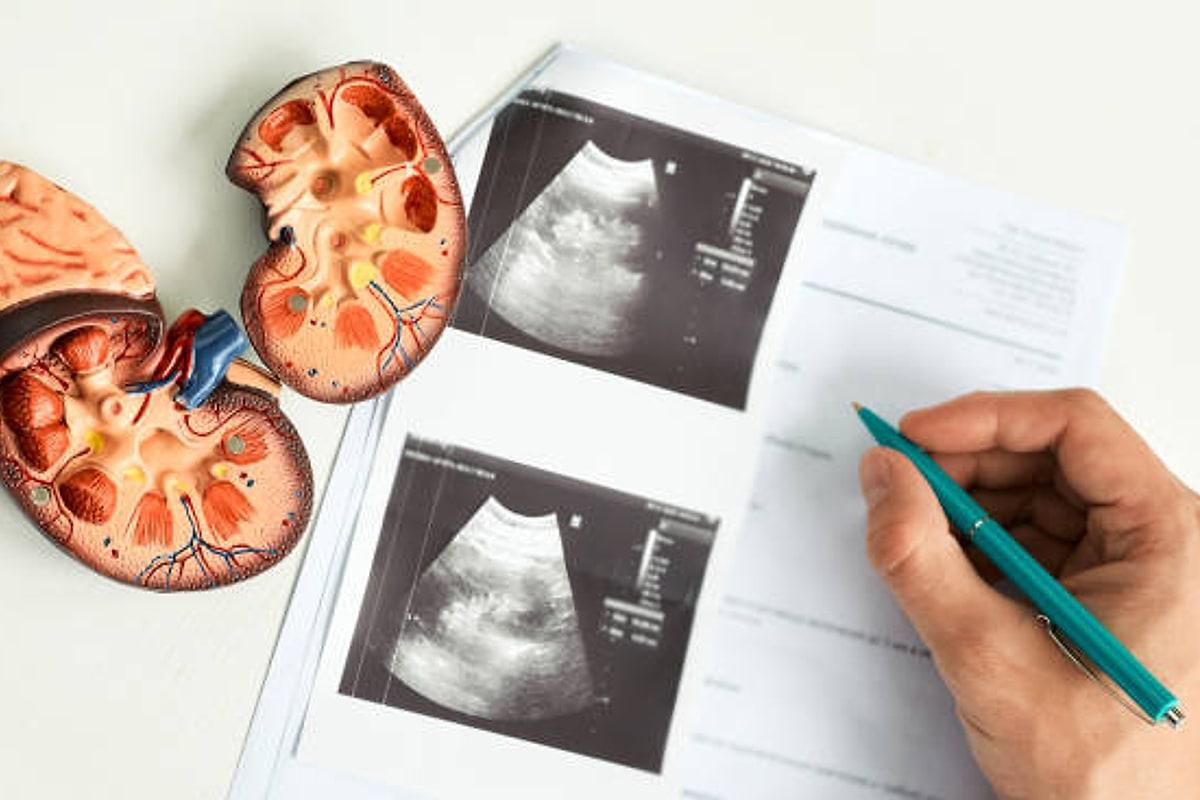
What does kidney cancer treatment in Turkey involve?
Kidney cancer is now most often discovered by chance, on an ultrasound or CT scan done for another reason. Found at this stage, it is cured very well, usually while keeping most of the kidney.
Kidney cancer treatment in Turkey is provided by urologists and oncologists in centers in Istanbul, Ankara and Izmir, authorized by the Turkish Ministry of Health. For a localized tumor, it relies on a partial nephrectomy, which removes only the tumor, often robotically, or on destroying small tumors with cold or heat. For advanced disease, immunotherapy combined with targeted therapy has transformed results. The stay for surgery usually lasts 7 to 10 days. The price is set in a free quote.
TurquieMed organizes your stay: forwarding your file to the oncology team, opinion and detailed quote within 48 hours, airport pick-up, transfers, hotel, interpreter and 7-day-a-week assistance.
- First opinion
- Within 48 hours, based on your file
- Treatments
- Robotic surgery, cryotherapy, immunotherapy
- Stay for surgery
- Usually 7 to 10 days
- Follow-up
- CT scan and kidney function, with your urologist
How much does kidney cancer treatment cost in Turkey?
The price depends on the technique: robotic partial nephrectomy, laparoscopic total nephrectomy, cryotherapy or medical treatment do not cost the same. For a comparable level of care, the total cost in Turkey is often significantly lower than in Western Europe or North America.
Your free quote is prepared after your CT scan has been reviewed and details the procedure, hospital stay, accommodation, transfers and interpreter.
Why have kidney cancer treated in Turkey?
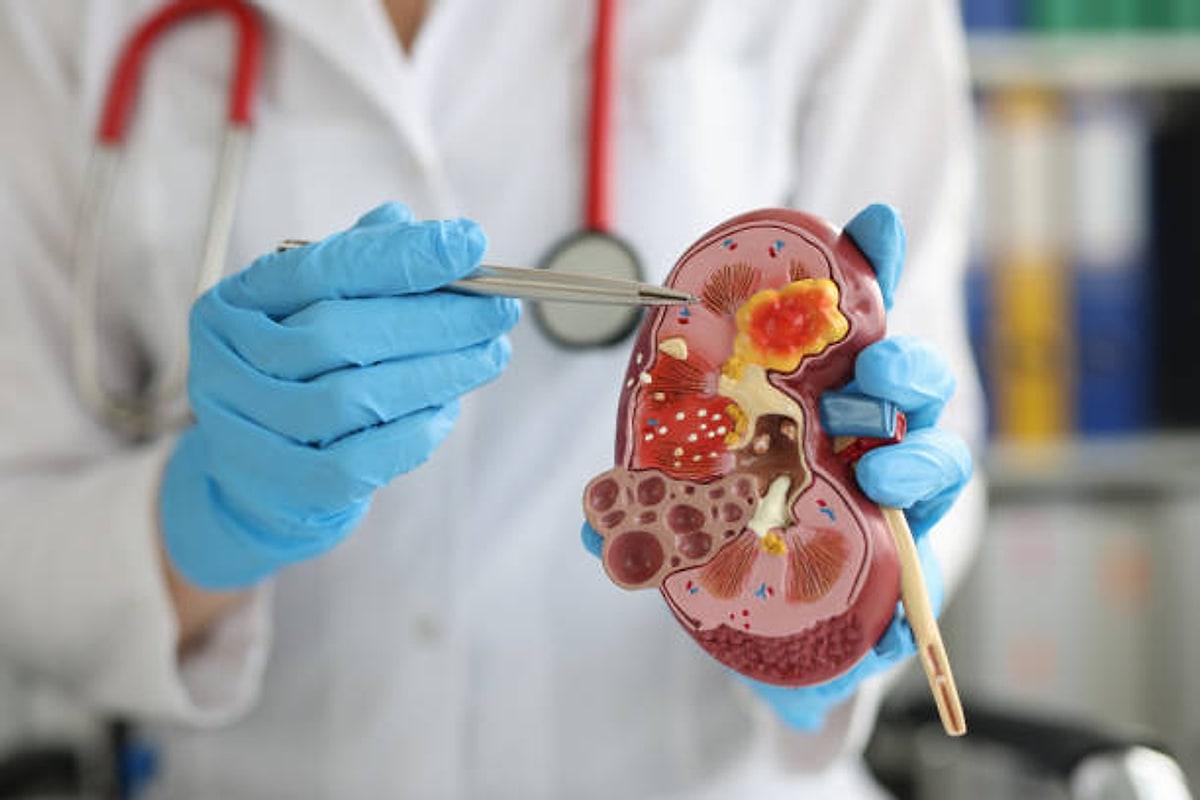
In kidney cancer, the challenge is twofold: removing the whole tumor and preserving kidney function as much as possible. Urologists in Turkish reference centers master the techniques that make this possible.
- Robotic partial nephrectomy. Removing only the tumor, through small incisions, preserves the kidney and its function, with a quick recovery.
- Non-surgical alternatives. Small tumors can be destroyed by cryotherapy or radiofrequency ablation, through the skin, in frail patients.
- High-precision imaging. 3D CT and MRI allow the procedure to be planned and the kidney’s blood vessels to be mapped.
- Treatments for advanced disease. Combinations of immunotherapy and targeted therapy, following European EAU and ESMO guidelines.
- A stay of about a week. For a robotic partial nephrectomy, 7 to 10 days is usually enough, check-up included.
What are the causes and risk factors of kidney cancer?
Kidney cancer is often found by chance, during an ultrasound or CT scan done for another reason. The main risk factors are:
- smoking: which clearly increases the risk;
- excess weight and obesity: an increasingly important factor;
- high blood pressure: especially when poorly controlled;
- kidney failure treated by dialysis: for several years;
- rare hereditary forms: such as von Hippel-Lindau disease.
It affects men about twice as often as women. Stopping smoking, keeping a healthy weight and treating high blood pressure reduce the risk.
What are the symptoms of kidney cancer?
Most often, it causes no symptoms and is found by chance. More rarely, it may cause:
- blood in the urine;
- pain in the side or lower back, on one side;
- a mass that can be felt in the abdomen;
- unexplained tiredness, fever or weight loss.
Blood in the urine should always prompt a consultation, even though it most often has a benign cause.
How is kidney cancer diagnosed?
CT scan
A contrast-enhanced CT scan is the key examination: it shows the tumor, its size, its relationship to the blood vessels and any spread.
MRI and biopsy
MRI sometimes complements the CT scan. A biopsy is not always needed; it is useful for small tumors before cryotherapy or surveillance.
Kidney function
A blood test measures how well the kidneys are working, which guides the choice between partial and total surgery.
What are the stages of kidney cancer and the chances of cure?
The stage describes the size of the tumor and how far it has spread. It is assessed by CT scan, then confirmed by analysing the removed tissue.
| Stage | Extent of the disease |
|---|---|
| Stage I | Tumor 7 cm or smaller, limited to the kidney |
| Stage II | Tumor larger than 7 cm, limited to the kidney |
| Stage III | Spread to the kidney vein, the fat around the kidney or nearby lymph nodes |
| Stage IV | Spread further, to the adrenal gland or other organs (metastases) |
The chances of cure are very good at stages I and II, where surgery is usually enough. At advanced stages, immunotherapy and targeted therapies have clearly improved results in recent years.
What are the treatments for kidney cancer?
Treatment depends on the size and position of the tumor, the condition of both kidneys and your general health. It is decided by a multidisciplinary tumor board.
Partial nephrectomy
The surgeon removes only the tumor and keeps the rest of the kidney. It is the reference treatment for tumors under about 7 cm, often performed robotically.
Total nephrectomy
For larger or awkwardly placed tumors, the whole kidney is removed, usually by laparoscopy. The other kidney is enough to live normally.
Cryotherapy and radiofrequency ablation
For small tumors in elderly or frail patients, a needle guided by CT destroys the tumor with cold or heat.
Immunotherapy and targeted therapy
For advanced disease, their combination controls the disease for a long time in many patients. Immunotherapy is also used after surgery for some high-risk tumors.
How does your care in Turkey work?
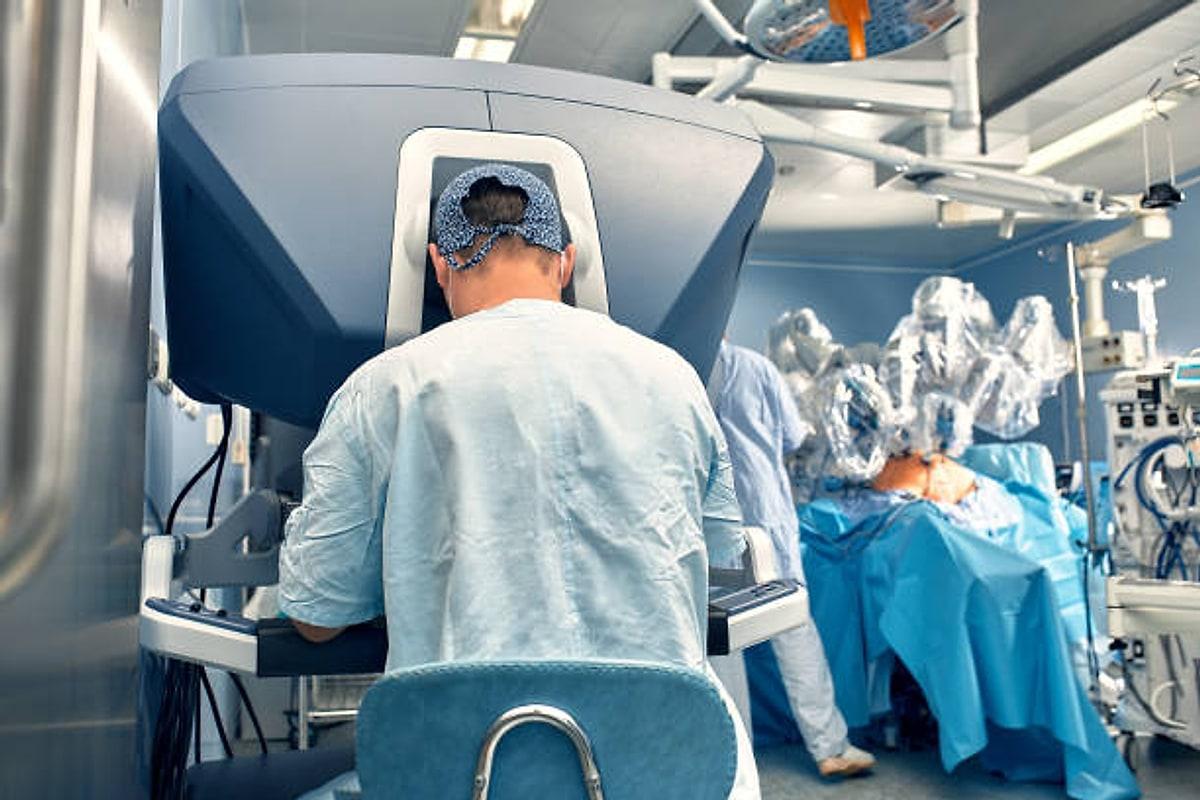
- You send your file. Your complete medical file: CT scan or MRI and blood tests. You receive an opinion and a quote.
- Days 1 and 2: arrival and tests. Consultation with the urologist and anesthetist.
- Day 3: the operation, then 2 to 4 nights in hospital.
- Days 7 to 10: check-up and return, with the surgical report and tumor analysis.
Follow-up after treatment
Follow-up combines a CT scan and a kidney function check, first every 6 months, then every year. It takes place close to home, with your urologist. Drinking enough and monitoring blood pressure help protect the kidneys.
What are the possible side effects?
Robotic surgery has clearly reduced pain and recovery time. Most effects are temporary.
| Effect | After which treatment | Good to know |
|---|---|---|
| Pain and tiredness in the first weeks | Surgery | They ease quickly |
| Slight decrease in kidney function | Surgery | Limited by partial nephrectomy, then monitored |
| Tiredness, thyroid problems, skin reactions | Immunotherapy | Monitored and treated |
| High blood pressure, diarrhea, irritation of hands and feet | Targeted therapy | The dose can be adjusted |
How to choose your hospital and quote?
A low price is not enough. Ask the hospital these questions before committing:
- Is the hospital authorized by the Turkish Ministry of Health to treat international patients?
- Who will perform the operation, and how experienced are they with this technique?
- Is a partial nephrectomy, which keeps the kidney, possible in your case?
- Does the surgeon regularly perform robotic kidney surgery?
- Who takes care of a complication, on site and after your return home?
- What medical follow-up is planned, and with whom?
What a good quote should specify
- The name of the hospital and the doctor
- The tests, anesthesia, hospital stay and medication included
- The number of nights in hospital and at the hotel, and the transfers
- What happens in case of complication or cancellation
- The follow-up offered after your return
Also budget for your flight and follow-up consultations. Planned treatment in Turkey is usually not covered by public health insurance: ask your insurer in writing before committing.
Take time to think, and be wary of any offer that pushes you to decide quickly.
Our partner hospitals in Turkey








Frequently asked questions about kidney cancer in Turkey
How much does kidney cancer treatment cost in Turkey?
The price depends on the technique: robotic partial nephrectomy, total nephrectomy, cryotherapy or medical treatment. It is usually significantly lower than prices in Western Europe or North America. The exact price appears on your free quote.
Can I keep my kidney?
Often, yes: for tumors under about 7 cm, partial nephrectomy removes only the tumor and keeps the rest of the kidney. It is the preferred technique whenever possible.
Can you live with only one kidney?
Yes. If the whole kidney has to be removed, the other kidney is enough to live normally. Monitoring of kidney function and blood pressure is simply recommended.
How long do I need to stay in Turkey?
Usually 7 to 10 days for surgery: assessment, operation, 2 to 4 nights in hospital, then a check-up before returning home.
Which documents should I send to get an opinion?
Send the kidney CT scan or MRI, with the images if possible, your latest blood tests (creatinine), your medical history and current treatments.
What are the chances of a cure?
They are very good for localized tumors: the vast majority of patients operated on for a small kidney tumor are cured. For advanced disease, immunotherapy controls the disease much longer than before.
Is treatment in Turkey covered by insurance?
Planned treatment in Turkey is usually not covered by public health insurance systems, which generally only reimburse urgent and unforeseen care abroad. Some private insurers and international health plans do cover treatment abroad: ask your insurer in writing before committing, and keep all your invoices and medical reports.
Request a free medical opinion and quote
Send us your complete medical file: reports, imaging and test results. The medical team will review it, and you will receive a detailed medical opinion and an estimated quote.