Colon cancer treatment in Turkey: modern surgery and complete care
Symptoms, diagnosis, surgery, chemotherapy, targeted therapy, follow-up and prices: everything you need to know about colon cancer treatment in Turkey.

What does colon cancer treatment in Turkey involve?
Blood in the stool, bowel habits that change for no reason, unusual tiredness, or a positive screening test: this is often how colon cancer is discovered. It is one of the most common cancers, especially after 50. When detected early, it can be cured in the vast majority of cases.
Colon cancer treatment in Turkey is provided by specialized digestive surgeons and oncologists in modern hospitals in Istanbul, Ankara and Izmir, authorized by the Turkish Ministry of Health. Depending on the stage, it combines laparoscopic or robotic colon surgery, chemotherapy, and sometimes targeted therapy or immunotherapy chosen according to the tumor’s molecular profile. A first opinion can be given remotely based on your colonoscopy report, biopsy and imaging. For surgery, plan on 10 to 14 days in Turkey. As a guide, laparoscopic surgery costs €6,000 to €9,000 and robotic surgery €11,000 to €16,000.
TurquieMed organizes your stay: forwarding your file to the oncology team, opinion and detailed quote within 48 hours, airport pick-up, transfers, hotel, interpreter and 7-day-a-week assistance.
The key to choosing well is a protocol defined by a multidisciplinary team (surgeon, oncologist, radiation oncologist) based on the stage and profile of the tumor, not the surgical technique alone.
- First opinion
- Within 48 hours, based on your file
- Treatments
- Surgery, chemotherapy, targeted therapy
- Stay for surgery
- Usually 10 to 14 days
- Follow-up
- Blood tests, CT scans and colonoscopy, back home
How much does colon cancer treatment cost in Turkey?
The price depends directly on the stage of the disease and the chosen protocol. As a guide:
| Protocol | Indicative price in Turkey | Good to know |
|---|---|---|
| Laparoscopic surgery alone (stage I to II) | €6,000 to €9,000 | Removal of the affected part of the colon and lymph nodes |
| Surgery followed by chemotherapy (stage II to III) | €9,000 to €14,000 | Depending on the protocol and number of cycles |
| Robotic surgery | €11,000 to €16,000 | Depending on the tumor location and length of hospital stay |
| Stage IV: targeted therapy or immunotherapy | €15,000 to €25,000 | Depending on the tumor’s molecular profile and treatment duration |
These prices are indicative and not contractual: they vary with the hospital, the surgeon and the length of stay. Your free, detailed quote is prepared after your medical file has been reviewed (tests, stage, planned protocol). It specifies the hospital stay, medication, hotel, transfers and interpreter. Your flight is usually at your own expense.
Why have colon cancer treated in Turkey?
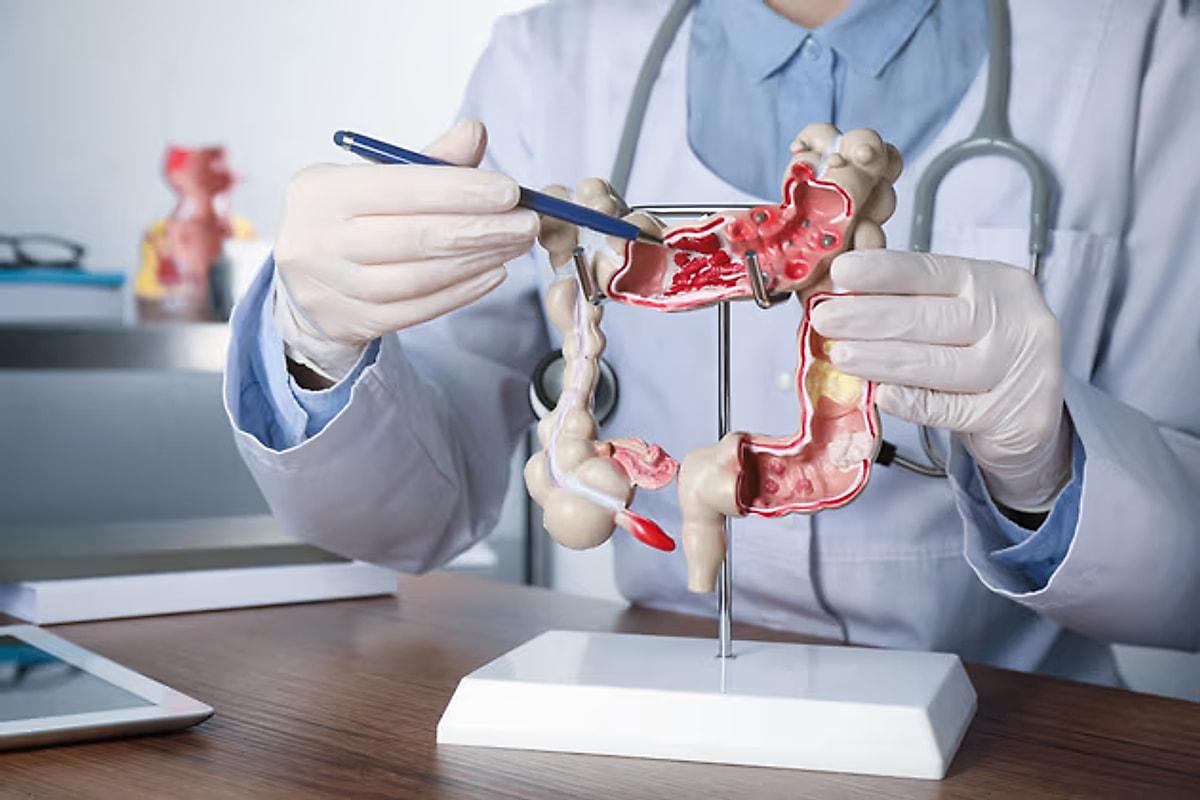
Successful colon cancer treatment depends on the quality of the surgery and on a protocol tailored to the stage and profile of the tumor. Turkey’s major oncology centers bring both together, with teams used to caring for international patients.
- Specialized colorectal surgery. Digestive surgeons in reference centers perform laparoscopic or robotic colectomy, with lymph node removal to international standards, which limits pain and shortens the hospital stay.
- Treatment guided by the tumor profile. Molecular testing (RAS, BRAF, MSI) points to targeted therapy or immunotherapy, which give excellent results for some tumors.
- Options for advanced disease. Liver metastasis surgery, radiofrequency ablation, radioembolization and HIPEC for the peritoneum are available in specialized centers.
- A protocol set before you travel. The colorectal surgeon, oncologist, gastroenterologist and radiologist draw up the treatment plan together from your colonoscopy and CT scan, following ESMO guidelines.
- Enhanced recovery. Reference centers apply enhanced recovery after surgery (ERAS) protocols: walking the next day, early return to eating, a shorter hospital stay.
- Continuity of care at home. After the operation, chemotherapy can continue close to home, based on the surgical report and tumor analysis handed to you before you leave.
What are the causes and risk factors of colon cancer?
Most colon cancers start from a benign polyp that slowly changes, over about ten years. The main risk factors are:
- age: more than 9 out of 10 cases occur after 50;
- a personal or family history: of polyps or colorectal cancer;
- inflammatory bowel disease: Crohn’s disease or ulcerative colitis;
- a hereditary form: Lynch syndrome or familial adenomatous polyposis;
- lifestyle: too much red and processed meat, alcohol, smoking, excess weight and lack of physical activity.
Screening, with a stool test from age 50 or a colonoscopy if you are at higher risk, allows polyps to be removed before they become cancer.
What are the symptoms of colon cancer?
In its early stages, colon cancer often causes no symptoms. When signs appear, they may include:
- blood in the stool, red or black;
- a recent, lasting change in bowel habits: constipation, diarrhea, or both in turn;
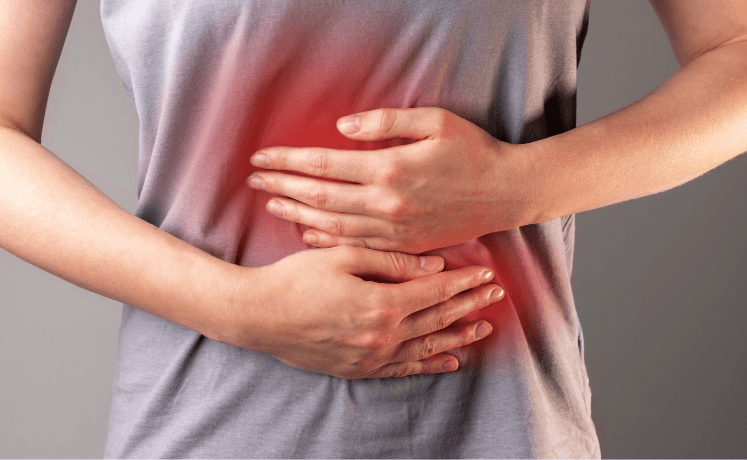
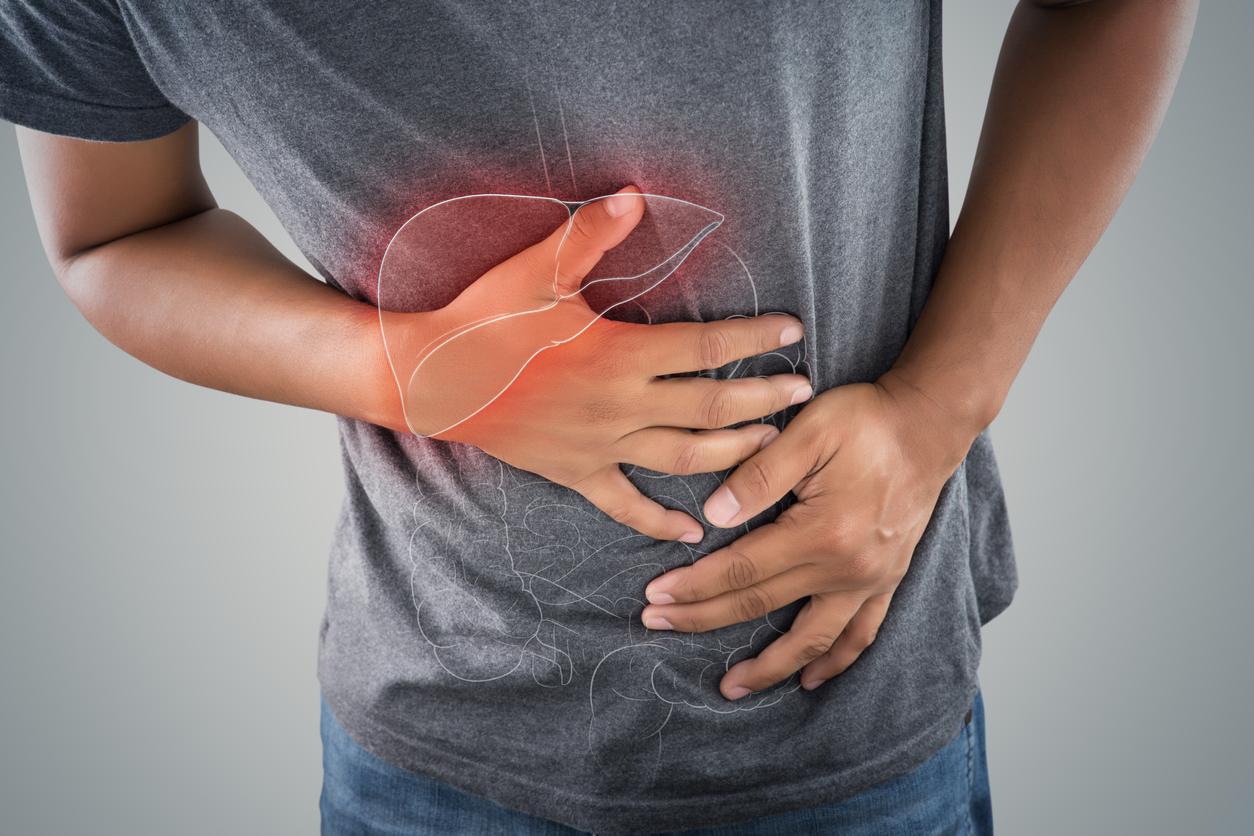
- persistent abdominal pain or bloating;
- unusual tiredness, sometimes due to anemia;
- weight loss for no apparent reason.
Rest assured: these signs most often have a benign cause, such as hemorrhoids or digestive problems. Still, see your doctor if they last more than a few weeks.
Screening
In many countries, a simple home stool test or a colonoscopy is offered to adults from around 45 or 50. If you have a family history of colorectal cancer, an earlier colonoscopy may be recommended: talk to your doctor.
How is colon cancer diagnosed?
Colonoscopy and biopsy
A colonoscopy examines the inside of the colon with a small camera, under light sedation. It shows the tumor, allows samples to be taken and sometimes removes a polyp straight away. Analysis of the biopsy confirms the diagnosis.
Staging tests
A CT scan of the chest, abdomen and pelvis checks whether the cancer has spread, particularly to the liver or lungs. For a rectal tumor, a pelvic MRI is also performed. A blood test measures the CEA marker.
The molecular profile
Tumor tests (RAS and BRAF genes, MSI status) guide the choice of targeted therapy and immunotherapy, especially for advanced disease.
The stages
The cancer is classified from stage I, limited to the colon wall, to stage IV, with metastases. The stage guides the whole treatment protocol.
What are the treatments for colon cancer?
The protocol depends on the stage, the location of the tumor and its molecular profile. It is decided by a multidisciplinary tumor board.
Surgery
This is the main treatment. The surgeon removes the affected part of the colon and nearby lymph nodes, then joins the two ends together. The operation is most often done by laparoscopy, through small incisions, or with a robot. It usually lasts 2 to 4 hours, followed by 4 to 7 nights in hospital. A temporary stoma is sometimes needed for a few weeks, especially for rectal tumors.
Chemotherapy
After surgery, chemotherapy is recommended for stage III and some stage II cancers, to reduce the risk of recurrence. It usually lasts 3 to 6 months, by infusion or tablets.
Radiotherapy
It is mainly used for rectal cancer, often before the operation and combined with chemotherapy, to shrink the tumor.
Targeted therapy and immunotherapy
For advanced disease, targeted therapies are combined with chemotherapy depending on the tumor’s molecular profile. For so-called MSI tumors, immunotherapy often gives very good results.
Colon or rectum: what is the difference?
People often speak of “colorectal cancer”, but the rectum, the last part of the bowel, is not treated quite like the colon. For rectal cancer, radiotherapy combined with chemotherapy is often given before the operation to shrink the tumor, and surgery follows a few weeks later. A pelvic MRI is essential to plan this protocol, and a temporary stoma is more common. For colon cancer, surgery usually comes first.
What if the cancer has spread to the liver?
The liver is the organ most often affected when colon cancer spreads. Stage IV does not mean there are no options left: when there are only a few metastases, they can often be removed by liver surgery, at the same time as the colon or in two steps, sometimes after chemotherapy to shrink them. Other techniques are also possible: destruction by radiofrequency or microwave ablation, and radioembolization, which delivers radioactive microspheres (Yttrium-90) directly into the liver metastases. This choice requires a team combining digestive and liver surgeons: mention it in your request for an opinion.
What if the cancer has spread in the abdomen (peritoneum)?
When the cancer has spread to the membrane lining the abdomen, the peritoneum, cytoreductive surgery combined with HIPEC may be offered to some patients: the surgeon removes all visible lesions, then the abdomen is bathed for about an hour in chemotherapy heated to 42 °C. It is a major operation, reserved for carefully selected patients and highly specialized centers, several of which are in Turkey.
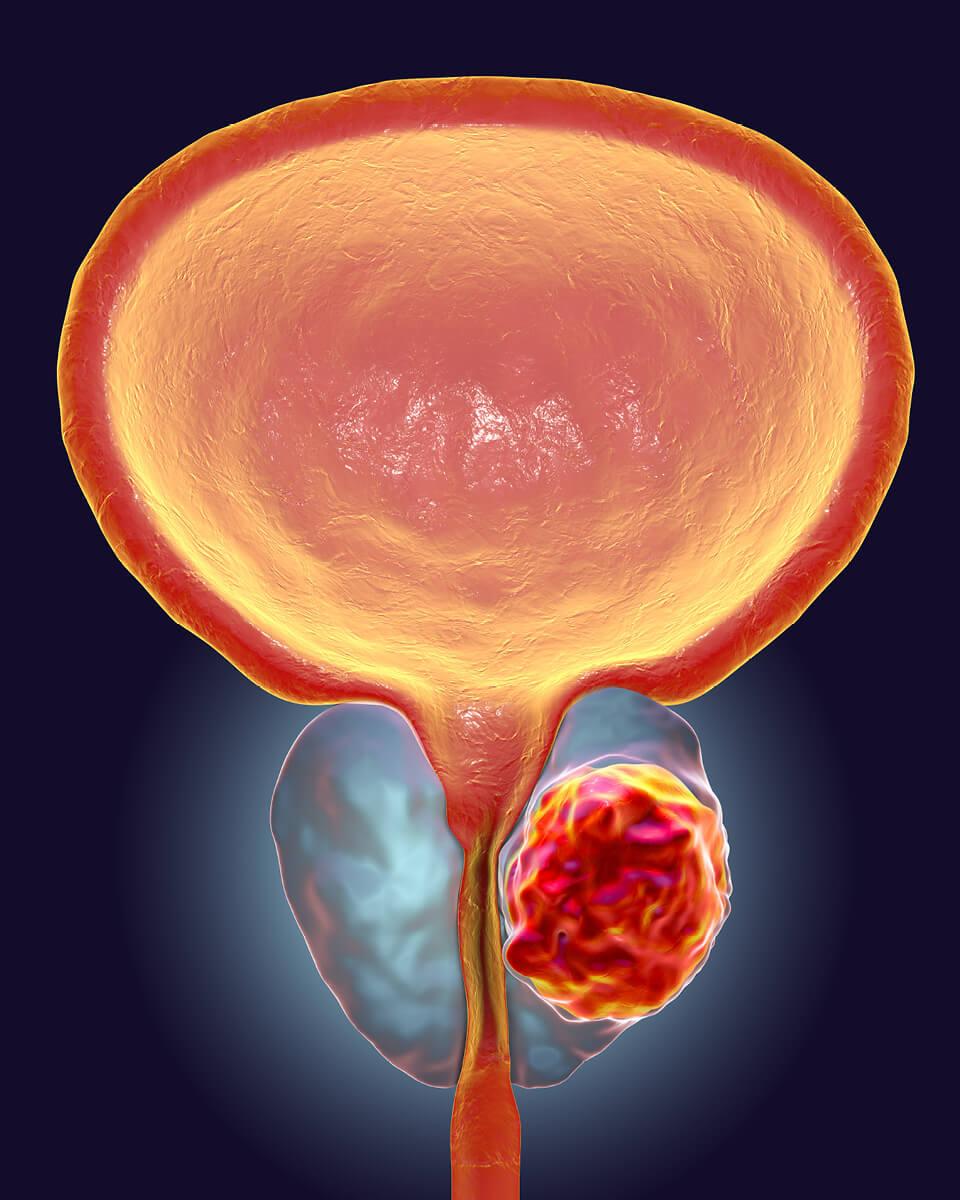
See also our guides to breast cancer and prostate cancer treatment in Turkey.
How does your treatment in Turkey work?
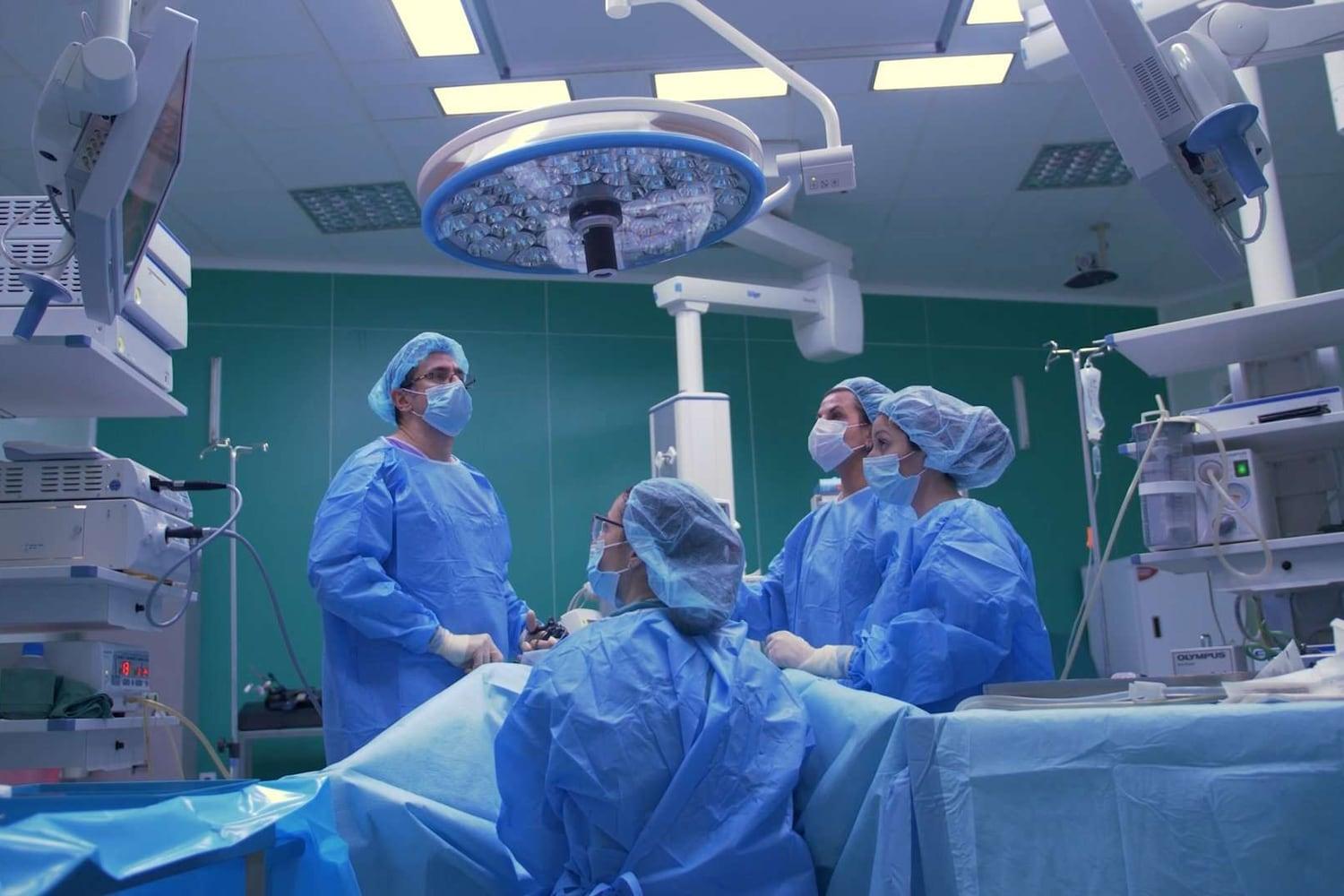
Example for colon surgery:
- You send your file. Your complete medical file: imaging and pathology results.
- The team reviews it. The surgeon and oncologist propose a protocol and you receive a detailed quote.
- Days 1 and 2: arrival and tests. Airport pick-up, consultation with the surgeon and anesthetist, additional tests if needed.
- Day 3: the operation. Laparoscopic or robotic surgery, lasting 2 to 4 hours, under general anesthesia.
- Days 4 to 9: hospital stay. Walking from the next day, gradual return to eating, monitoring.
- Days 10 to 14: hotel, results and return. Check-up, tumor analysis results, handover of your complete file, then flight home.
If chemotherapy is planned afterwards, it can be given in Turkey, over successive stays, or close to home with your oncologist: this choice is prepared before you leave.
Follow-up after treatment
Surveillance tests
Follow-up usually combines a consultation and a blood test with CEA every 3 to 6 months, regular CT scans in the first years, and a colonoscopy after 1 year and then depending on the results. This follow-up takes place close to home, with your gastroenterologist or oncologist.
Diet and bowel habits
After colon surgery, bowel habits take a few weeks to settle. A varied diet, rich in fiber as tolerated, and regular physical activity help recovery and reduce the risk of recurrence.
Your file
Bring back from Turkey the surgical report, the final pathology report and the chemotherapy protocol if there is one. They will allow your team at home to take over without interruption.
What are the possible side effects?
Thanks to laparoscopy and robotic surgery, recovery after colon surgery is faster today, and medical treatments are better tolerated than before. Most side effects are temporary and can be treated well.
| Effect | After which treatment | Good to know |
|---|---|---|
| Tiredness and pain in the first days | Surgery | Relieved by medication, they ease within a few days |
| Irregular bowel habits | Surgery | They usually settle within a few weeks |
| Temporary stoma | Mainly rectal surgery | Most often closed after a few weeks |
| Tiredness, nausea, tingling in the fingers | Chemotherapy | Monitored at each cycle, relieved by suitable treatments |
How to choose your hospital and quote?
A low price is not enough. Ask the hospital these questions before committing:
- Is the hospital authorized by the Turkish Ministry of Health to treat international patients?
- Who will perform the operation, and how experienced are they with this technique?
- Is your file discussed by a multidisciplinary tumor board (surgeon, oncologist, radiation oncologist)?
- Is molecular testing of the tumor planned, if it is useful in your case?
- Who takes care of a complication, on site and after your return home?
- What medical follow-up is planned, and with whom?
What a good quote should specify
- The name of the hospital and the doctor
- The tests, anesthesia, hospital stay and medication included
- The number of nights in hospital and at the hotel, and the transfers
- What happens in case of complication or cancellation
- The follow-up offered after your return
Also budget for your flight and follow-up consultations. Planned treatment in Turkey is usually not covered by public health insurance: ask your insurer in writing before committing.
Take time to think, and be wary of any offer that pushes you to decide quickly.
Our partner hospitals in Turkey







Frequently asked questions about colon cancer treatment in Turkey
How much does colon cancer treatment cost in Turkey?
As a guide, laparoscopic surgery alone (stage I to II) costs €6,000 to €9,000, surgery followed by chemotherapy (stage II to III) €9,000 to €14,000, robotic surgery €11,000 to €16,000, and treatment with targeted therapy or immunotherapy at stage IV €15,000 to €25,000. The exact price appears on your free quote, prepared after your file has been reviewed.
What are the chances of curing colon cancer?
They depend mainly on the stage. Detected early, colon cancer is cured in the vast majority of cases: about 9 out of 10 patients are alive 5 years after diagnosis. The chances remain good at stage III thanks to chemotherapy after surgery. At stage IV, current treatments can often control the disease for a long time, and sometimes cure it when the metastases can be removed.
How long do I need to stay in Turkey?
For colon surgery, plan on 10 to 14 days: tests on arrival, the operation, 4 to 7 nights in hospital, then a few days at the hotel until the check-up and the tumor analysis results. If chemotherapy is planned afterwards, it lasts 3 to 6 months: it can be done over successive stays in Turkey or close to home.
Which documents should I send to get an opinion?
Send the colonoscopy report, the biopsy report, the CT scan of the chest, abdomen and pelvis, the pelvic MRI if the rectum is involved, a recent blood test with the CEA marker, and if possible the tumor’s molecular profile. Add your medical history and current treatments. With a complete file, the team can usually give a first opinion within a few days.
Will I have a stoma after the operation?
Most often, no: for most colon cancers, the surgeon joins the two parts of the bowel directly. A stoma is mainly needed for some rectal cancers, and it is then usually temporary, closed after a few weeks during a short procedure.
How long is the recovery before returning to work?
After laparoscopic colon surgery, most patients resume everyday activities within 2 to 3 weeks, and office work within 3 to 6 weeks. Allow 6 to 8 weeks for physical work, avoiding heavy lifting for about 6 weeks. If chemotherapy follows the operation, the return to work is decided with your oncologist, depending on how you feel.
What should I eat after colon surgery?
In the first days, eating resumes gradually in hospital, first liquids then more solid food. For 2 to 4 weeks, favor light, split, well-cooked meals, and drink at least 1.5 liters a day. Then reintroduce fiber (vegetables, fruit, whole grains) little by little, as tolerated. Unless your doctor advises otherwise, no food is forbidden in the long term: a varied diet and regular physical activity help recovery.
Can I have chemotherapy at home after surgery in Turkey?
Yes, this is a common option. The operation is done in Turkey, then chemotherapy continues close to home with your oncologist, based on the surgical report and tumor analysis handed to you before you leave. Prepare this arrangement with your oncologist before you travel.
Is treatment in Turkey covered by insurance?
Planned treatment in Turkey is usually not covered by public health insurance systems, which generally only reimburse urgent and unforeseen care abroad. Some private insurers and international health plans do cover treatment abroad: ask your insurer in writing before committing, and keep all your invoices and medical reports.
Request a free medical opinion and quote
Send us your complete medical file: reports, imaging and test results. The medical team will review it, and you will receive a detailed medical opinion and an estimated quote.