Dental crowns in Turkey: protect and rebuild your damaged teeth
When a crown is needed, zirconia or porcelain, procedure, lifespan, price and insurance: everything you need to know before getting crowns in Turkey.
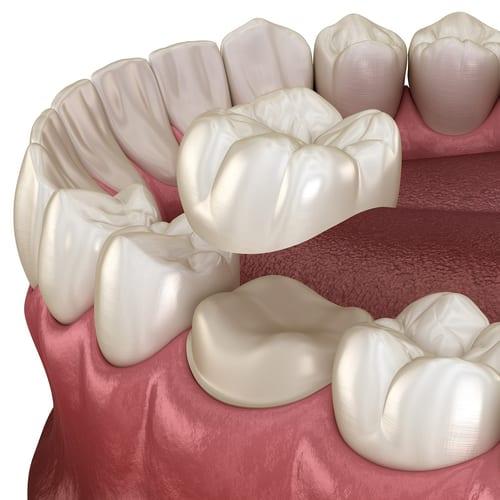
What is a dental crown?
A dental crown is a cap made of porcelain, zirconia or metal that fully covers a damaged tooth to protect it and restore its shape. In Turkey, a crown starts from $345 with Turquiemed, and fitting is usually done in a single 5 to 7 day stay.
A tooth that is badly decayed, broken, worn or root-filled becomes fragile: it may crack or be lost. The crown surrounds it completely, like a helmet, and lets you chew normally again. It is also used to replace the visible part of a tooth on a dental implant.
To fit a crown, the dentist reduces the tooth all around: this is permanent. A crown must therefore meet a real medical need. On a healthy tooth that you only want to improve, dental veneers are usually preferable.
Turquiemed organizes your stay: forwarding your file to the dentist, opinion and detailed quote within 48 hours, airport pick-up, transfers, hotel, interpreter and 7-day-a-week assistance.
- Price in Turkey
- From $345 per crown
- Materials
- Zirconia, e.max porcelain, porcelain-fused-to-metal, metal
- Anaesthesia
- Local
- Stay
- Usually 5 to 7 days
- Lifespan
- Often 10 to 15 years or more
- Who for
- Badly damaged or root-filled teeth, or implants
How much does a dental crown cost in Turkey?
With Turquiemed, a dental crown starts from $345 in Turkey. The price depends on the material (zirconia, e.max porcelain, porcelain-fused-to-metal), the number of crowns and any treatment needed first, such as a root canal or a core build-up.
Dental crown package
 Dental crown package
- Consultation with the dentist
- Fitting of the crown
- Hotel / clinic transfers
- Interpreter at the clinic
- Turquiemed assistance 7 days a week
Package price
from $345
Indicative, non-contractual price. The final price is set in a personalized quote, after your X-ray and file have been reviewed, and may be higher. Flight and any additional care or tests not included, unless stated on your quote.
What affects the price
- The material: e.max porcelain and aesthetic zirconia cost more than porcelain-fused-to-metal;
- The number of crowns: the quote is prepared tooth by tooth;
- Treatment beforehand: root canal, core build-up, gum care;
- A crown on an implant, which needs an abutment;
- The stay: number of hotel nights depending on the treatment plan.
Are crowns covered by insurance?
It depends on your country. In some countries, public insurance or a complementary plan covers part, or even all, of certain crowns. Before you travel, ask your insurer what is covered, and get a quote from your own dentist to compare: we would rather you choose the best option than travel for nothing.
Crowns in Turkey are especially worthwhile when you need several of them, when they are combined with other treatment (implants, veneers), or when they are poorly covered where you live.
Your free quote is prepared after reviewing a recent panoramic X-ray and photos of your teeth. It states, for each tooth, the type of crown, the material and any treatment needed beforehand.
Why choose Turkey for dental crowns?
Choosing Turkey for crowns means getting an honest, tooth-by-tooth treatment plan, crowns made on site within a few days, a price known in advance and an English-speaking contact from your first message until after you return home.
What makes the difference is not only the price: it is the quality of the treatment plan, the materials and the support. Here are the strengths of treatment in Turkey with Turquiemed.
1. An honest treatment plan, tooth by tooth
This is the most important point. A crown requires reducing the tooth all around, permanently: it should only be placed on a tooth that really needs it, badly damaged, root-filled or already crowned. On a healthy tooth, a veneer or a simple filling is often enough.
Your treatment plan states, tooth by tooth, what is planned and why. Be wary of any quote that proposes crowns on all your visible teeth when they are healthy: that is where “Turkey teeth” come from.
2. Qualified dentists in licensed clinics
Your crowns are fitted by a qualified dentist, in a dental clinic licensed by the Turkish Ministry of Health. The names of the clinic and dentist are given with your quote: you can ask your questions before booking.
3. Recognised ceramics and an on-site laboratory
Clinics use zirconia, which is very strong, and e.max porcelain, which looks very natural, chosen according to the position of the tooth. In many clinics, crowns are made by the on-site dental laboratory using digital design: try-ins and adjustments are done during your stay, without waiting weeks.
Your quote should state the material for each tooth. Do not accept a vague quote such as “20 crowns” with no detail.
4. A single 5 to 7 day stay
Tooth preparation, digital impression, fabrication, try-in and final fitting: everything is usually done in a single 5 to 7 day stay. It can take longer, or two trips, if a root canal or implants are needed: your quote tells you in advance.
5. A clear price, known before you travel
With Turquiemed, a crown starts from $345, including the consultation, fitting, hotel–clinic transfers, interpreter and 7-day-a-week assistance. The final price is set in a written quote, tooth by tooth, before any booking.
6. Support in English, from start to finish
You talk to Turquiemed in English, by WhatsApp or email, from your very first message. At the clinic, an interpreter accompanies you: you understand every step and can say clearly what you want for the shape and shade.
7. Follow-up that continues after you return
Before you leave, the dentist checks your bite and gives you your treatment plan, with the material of each crown. Once home, you keep the same contact at Turquiemed: you can ask your questions, and we liaise with the clinic. Your own dentist can carry out check-ups using these documents. What the clinic provides if a crown comes off or breaks is stated in writing on your quote.
| In Turkey with Turquiemed | Organising it yourself or elsewhere | |
|---|---|---|
| First opinion | Within 48 hours, free, from X-ray and photos | Consultation often charged, waiting times vary |
| Treatment plan | Written, tooth by tooth, with the material | Varies by clinic |
| Fabrication | On-site laboratory, within a few days | Often several weeks between appointments |
| Trips | One, usually 5 to 7 days | Several appointments |
| Price | From $345 per crown, quote before you travel | Varies; sometimes partly covered by insurance |
| Language | English-speaking contact and interpreter | To organise yourself |
| After you return | Same contact, documents provided, link with the clinic | Often alone with the clinic |
When is a dental crown needed?
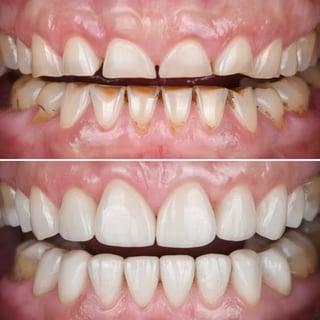
A crown is needed when a tooth is too damaged to be repaired with a simple filling: large cavity, fracture, heavy wear, or after a root canal.
- A badly decayed or broken tooth, with too little left to hold a filling;
- A root-filled tooth, which has become more fragile, especially at the back of the mouth;
- Heavy wear, for example in people who grind their teeth;
- An old crown that is damaged, loose or unsightly and needs replacing;
- A dental implant, on which a crown is fixed;
- A bridge, which rests on crowns to replace a missing tooth.
Crown, veneer or inlay: which to choose?
| Solution | For which tooth | What to know |
|---|---|---|
| Veneer | Healthy tooth, cosmetic flaw | Light preparation of the front of the tooth |
| Inlay or onlay | Partly damaged tooth | Bonded piece that replaces only the lost part |
| Crown | Badly damaged or root-filled tooth | Tooth reduced all around, permanently |
The dentist chooses the solution that preserves as much of your tooth as possible. If a tooth cannot be saved, it can be replaced with an implant or a dental prosthesis.
Gum disease must be treated before fitting. With bruxism (clenching or grinding at night), a night guard is often recommended to protect the crowns.
Zirconia, porcelain or metal: which crown to choose?
Zirconia is the strongest, e.max porcelain the most natural, and porcelain-fused-to-metal remains a solid, affordable option. The dentist chooses according to the position of the tooth, chewing forces and the look you want.
| Type of crown | Strengths | Limits | Where to use it |
|---|---|---|---|
| Zirconia | Very strong, metal-free, well tolerated | Slightly less translucent than e.max | Back teeth, and front teeth in aesthetic zirconia |
| e.max porcelain | Very natural, translucent | Less resistant to strong pressure | Front teeth |
| Porcelain-fused-to-metal | Solid, proven, affordable | A grey line may appear at the gum over time | All teeth, especially at the back |
| Metal or gold | Very strong, gentle on opposing teeth | Visible metallic look | Back teeth, not very visible |
What about the shade?
For a single crown, the shade is chosen to blend with the neighbouring teeth. If you want to whiten your teeth, do it before fitting: porcelain does not change colour afterwards. For several crowns on the front teeth, the dentist designs the shape and shade of the whole smile, as for a Hollywood Smile.
Crowns on implants
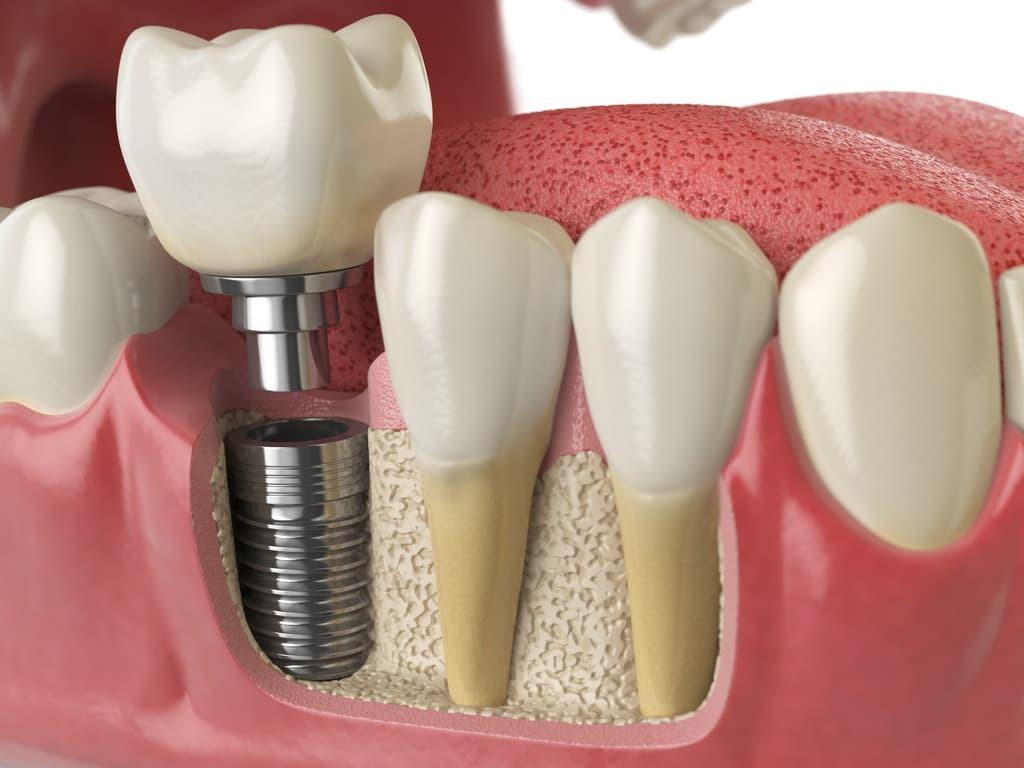
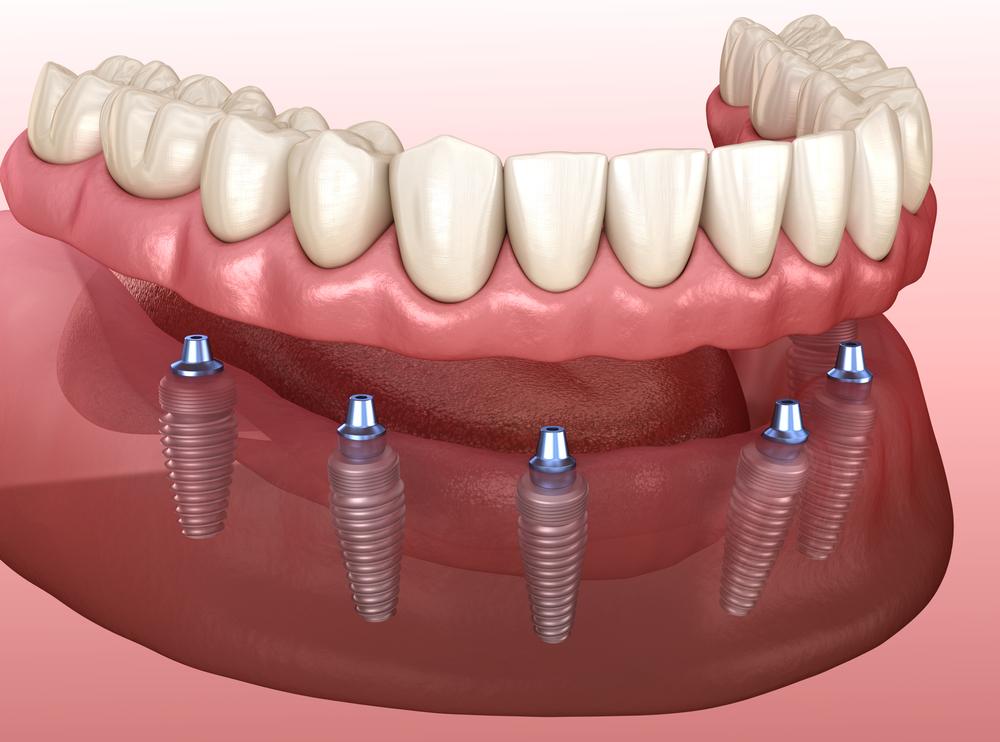
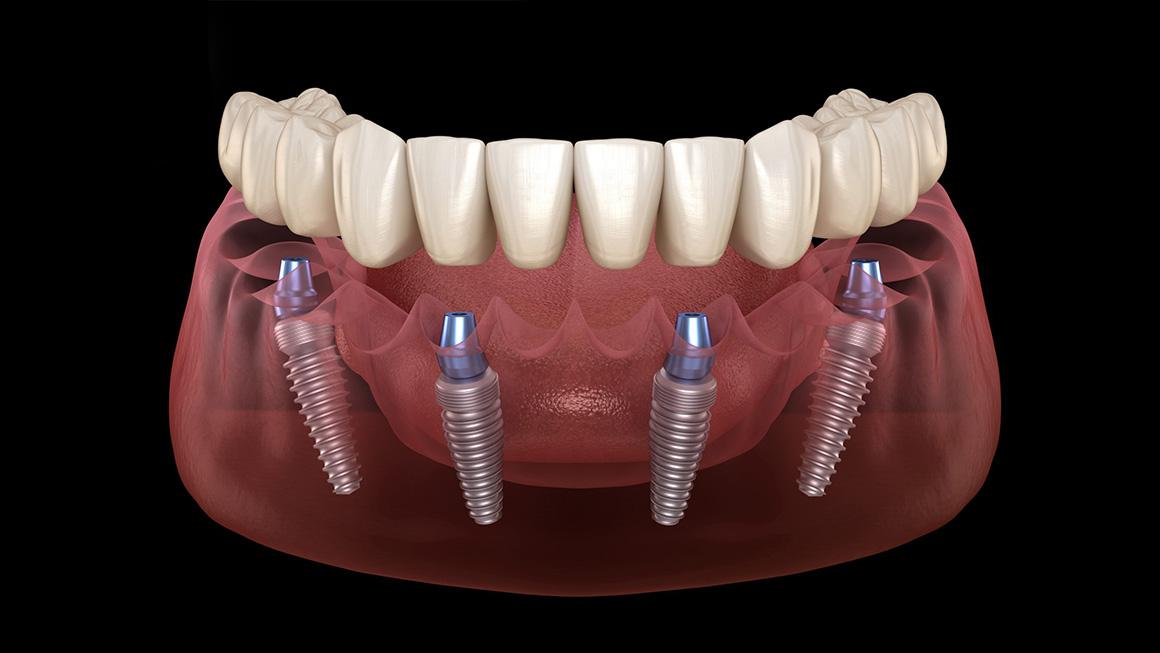
When a tooth is missing, an implant replaces its root, then a crown is screwed or cemented onto it. The final crown is fitted after the bone has healed, usually during a second trip. See our dental implants in Turkey page.
How are crowns fitted in Turkey?
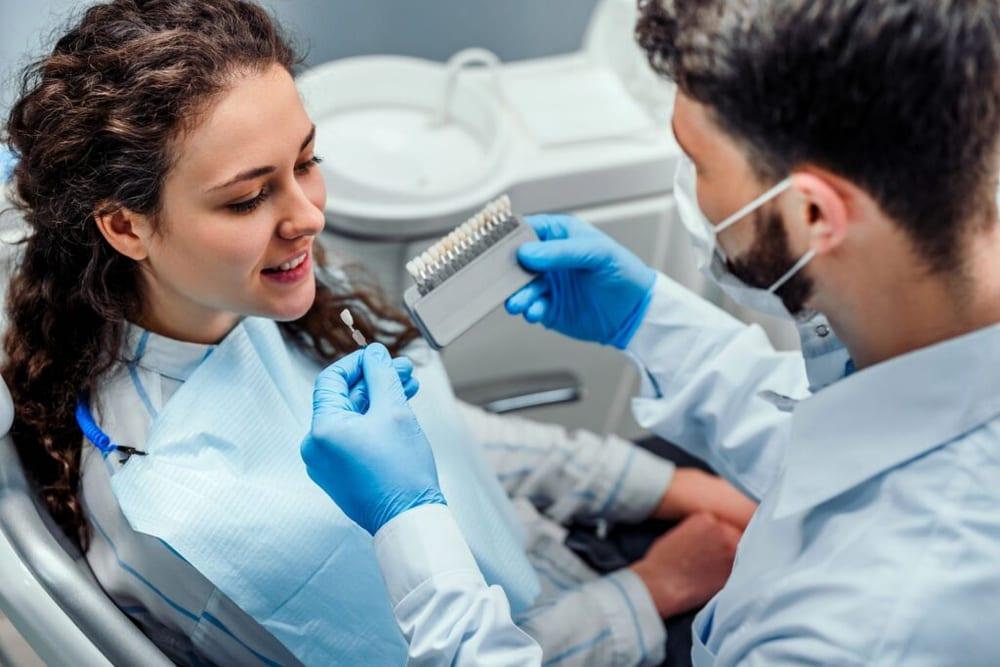
- You send us your request. Through the website form or on WhatsApp, with a recent panoramic X-ray and photos of your teeth.
- We look for the best option for your case and budget. We forward your file to the dentists at our partner dental clinics.
- You receive your treatment plan and quote. Within 48 hours: the teeth to treat, the material, the length of stay and a detailed price, free and without obligation.
- We organise your trip. Clinic appointment, hotel, transfers and interpreter: everything is ready before you leave.
- We stay by your side until you return home. 7-day-a-week assistance during the stay, then remote follow-up.
Your 5 to 7 day stay, step by step
- Day 1: consultation. Examination, X-ray, final treatment plan and choice of shade.
- Day 2: preparation. Any treatment needed, tooth preparation under local anaesthesia, digital impression and temporary crowns.
- Days 3 to 5: fabrication and try-in. The laboratory makes the crowns; a try-in lets the dentist adjust shape, shade and bite.
- Days 5 to 7: final fitting. The crowns are cemented, the bite is adjusted, then a final check takes place before you return.
Mild sensitivity to hot and cold is common for a few days. Chew carefully at first, and tell the dentist about any discomfort when biting: a small adjustment is usually enough. After your return, a check-up with your dentist and a scale and polish every 6 months keep your teeth and implants healthy. Bring back the reports, X-rays and implant card.
How long does a crown last and how should you care for it?
A well-fitted, well-maintained crown often lasts 10 to 15 years, sometimes longer. Its lifespan depends mainly on hygiene, the health of the gum and of the tooth underneath, and chewing forces.
- Brush twice a day, paying attention to the edge of the crown at the gum line;
- Clean between your teeth with floss or interdental brushes: the tooth under the crown can still decay at its edge;
- Have a check-up and a scale and polish once or twice a year;
- Wear a night guard if you clench or grind your teeth;
- Avoid biting ice, pits or hard objects.
What are the risks of a dental crown?
Fitting a crown is a routine treatment; the most common problems are temporary sensitivity and a crown coming off. Reducing the tooth, however, is permanent.
| Possible effect | Frequency | What to know |
|---|---|---|
| Sensitivity to hot and cold | Common at first | Fades within a few days to a few weeks |
| Discomfort when biting | Possible | Corrected by a small adjustment |
| Crown coming off | Uncommon | Usually re-cemented if intact |
| Cracked or broken crown | Uncommon | Must be redone; more common with bruxism |
| Tooth needing a root canal | Possible on a heavily reduced live tooth | Hence crowning only teeth that need it |
| Decay or irritated gum at the edge | Possible | Prevented by good hygiene and a well-fitted crown |
How to choose your clinic and your quote?
A low price is not enough. Ask the hospital these questions before committing:
- Is the hospital authorized by the Turkish Ministry of Health to treat international patients?
- Who will perform the treatment, and how experienced are they with this technique?
- Why a crown on each planned tooth, and would a veneer or inlay not be enough?
- Which material (zirconia, e.max, porcelain-fused-to-metal) is planned for each tooth, and what guarantee is offered?
- Who takes care of a complication, on site and after your return home?
- What dental follow-up is planned, and with whom?
What a good quote should specify
- The name of the hospital and the doctor
- The tests, anesthesia, hospital stay and medication included
- The number of nights in hospital and at the hotel, and the transfers
- What happens in case of complication or cancellation
- The follow-up offered after your return
Also budget for your flight and follow-up consultations. Planned treatment in Turkey is usually not covered by public health insurance: ask your insurer in writing before committing.
Our partner hospitals in Turkey








Frequently asked questions about dental crowns in Turkey
How much does a dental crown cost in Turkey?
With Turquiemed, a dental crown starts from $345, including the consultation, fitting, hotel–clinic transfers, interpreter and 7-day assistance. The final price depends on the material and any treatment needed first; it is on your free quote.
How long do I need to stay in Turkey for crowns?
Usually 5 to 7 days: consultation, tooth preparation, laboratory fabrication, try-in and final fitting. A root canal or implants may require more time or a second trip.
Zirconia or porcelain: which should I choose?
Zirconia is stronger and suits back teeth well; e.max porcelain is more translucent and natural for front teeth. The dentist chooses according to the position of each tooth.
Does the tooth need to be reduced for a crown?
Yes, the tooth is reduced all around to make room for the crown. This is permanent, so a crown should only be placed on a tooth that really needs it.
What is the difference between a crown and a veneer?
A crown covers the whole tooth and protects a damaged tooth. A veneer only covers the front of the tooth and mainly improves a healthy tooth, with much lighter preparation.
Are crowns covered by insurance?
It depends on your country: some public or private insurance plans cover part, or all, of certain crowns. Check with your insurer and compare with a quote from your own dentist before you travel.
How long does a dental crown last?
Often 10 to 15 years or more, with good hygiene, regular check-ups and a night guard in case of bruxism.
Is getting a crown painful?
No, preparation is done under local anaesthesia. Sensitivity to hot and cold is common for a few days, then usually disappears.
Can an old crown be replaced?
Yes. The old crown is removed, the tooth underneath is checked and treated if needed, then a new crown is fitted. The X-ray shows the condition of the tooth before you travel.
What should I do if a crown comes off?
Keep the crown and contact a dentist: if it is intact, it can usually be re-cemented. What the clinic provides in this case is stated on your quote.
Request a free opinion and quote
Send us a recent panoramic X-ray, photos of your teeth and your medical history. The dentist will review them, and you will receive a detailed opinion and an estimated quote.