
Metabolic surgery in Turkey: treating type 2 diabetes with surgery
When type 2 diabetes remains poorly controlled despite treatment, a sleeve or a bypass can improve it greatly, sometimes to the point of remission. Who it is for, how it works, results, risks and price.
What is metabolic surgery?
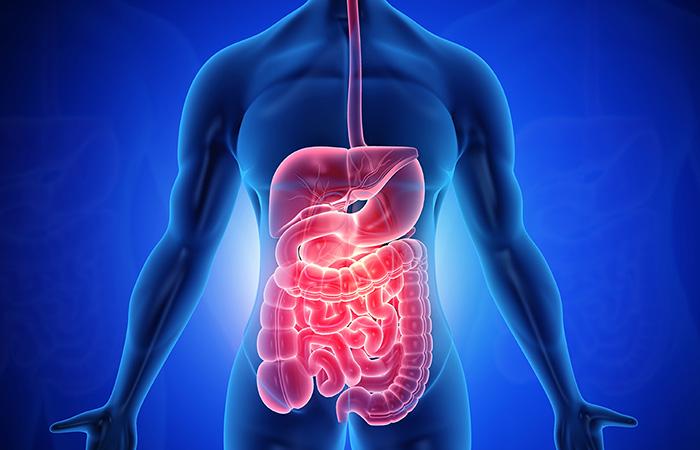
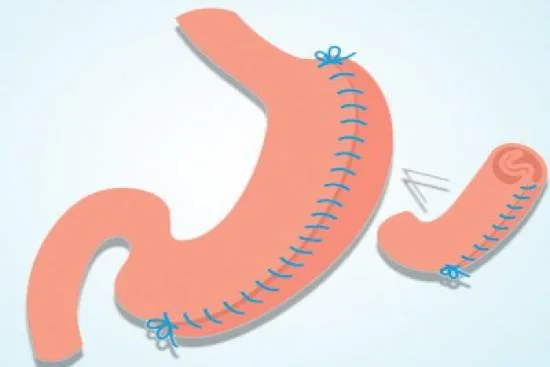
Metabolic surgery refers to stomach operations offered first and foremost to treat type 2 diabetes and the conditions that come with it (blood pressure, cholesterol, fatty liver), in people who are overweight or obese. The two techniques used are the gastric sleeve and the gastric bypass. They act on weight, but also directly on the hormones that regulate blood sugar: this is why blood sugar often improves within days, even before weight loss.
The operation is performed by laparoscopy, under general anesthesia, in 1 to 3 hours depending on the technique. Plan for 5 to 7 days on site. With TurquieMed, the sleeve starts from $2,700 and the bypass from $4,600.
Your file is reviewed by both an obesity surgeon and an endocrinologist: together, they check that surgery is suited to your diabetes, choose the technique and prepare the adjustment of your treatment. You receive their opinion and a detailed quote within 48 hours.
- Techniques
- Sleeve or bypass, by laparoscopy
- Length of the operation
- 1 to 3 hours
- Stay
- 5 to 7 days, including 2 to 3 nights in hospital
- Follow-up
- Blood sugar, nutrition and vitamins, for life
How much does metabolic surgery cost in Turkey?
The price depends mainly on the technique chosen by the surgeon. With TurquieMed, it includes the operation, the pre-operative assessment, the hospital stay, the hotel, transfers, an interpreter and assistance throughout your stay.
| Technique | Price in Turkey with TurquieMed | Stay |
|---|---|---|
| Gastric sleeve | From $2,700 | 5 to 7 days |
| Gastric bypass | From $4,600 | 6 to 7 days |
The final price appears on your free quote, prepared after your file has been reviewed: it may vary depending on the hospital, the tests needed for your diabetes and the length of the stay. The flight is not included.
Why have metabolic surgery in Turkey?
Metabolic surgery targets type 2 diabetes first: for many patients, it makes it possible to greatly reduce, or even stop, treatment. It requires a team in which surgeon and endocrinologist work together, which specialized Turkish centers offer.
1. A surgeon and an endocrinologist for your file
The choice between sleeve and bypass takes into account how long you have had diabetes, your treatments, your weight and any reflux. The decision is made by both of them, not by the surgeon alone.
2. Treatment adjusted from the operation onwards
Doses of insulin or medication are often reduced from the first days. The team monitors your blood sugar in hospital and gives you an adjustment plan for your return home.
3. High-volume centers
Partner hospitals perform these operations regularly by laparoscopy, with an intensive care unit on site.
4. A complete diabetes assessment
- HbA1c and kidney, eye and heart assessment;
- Gastroscopy before the operation;
- Consultations with the surgeon, endocrinologist and dietitian.
5. Fast care
No long waiting list: the operation can be scheduled within weeks of the opinion, once the file is complete.
6. A price known in advance
With TurquieMed, the sleeve starts from $2,700 and the bypass from $4,600, all inclusive, often two to three times less than in many European countries.
7. Follow-up designed for diabetes
You leave with a follow-up schedule for blood sugar, vitamins and weight, to be done in Turkey or with your doctor. Our team is available 24/7.
| In Turkey with TurquieMed | Often elsewhere | |
|---|---|---|
| First opinion | Within 48 h, free, based on your file | Several weeks for an appointment |
| Team | Surgeon and endocrinologist together | Often separate consultations |
| Time before the operation | A few weeks | Often several months of waiting |
| Price | Sleeve from $2,700, bypass from $4,600 | Often two to three times higher |
| Support | All-inclusive package: hotel, VIP transfers, interpreter, 24/7 assistance | To be organized yourself |
How does surgery act on diabetes?
An effect on hormones, before weight loss
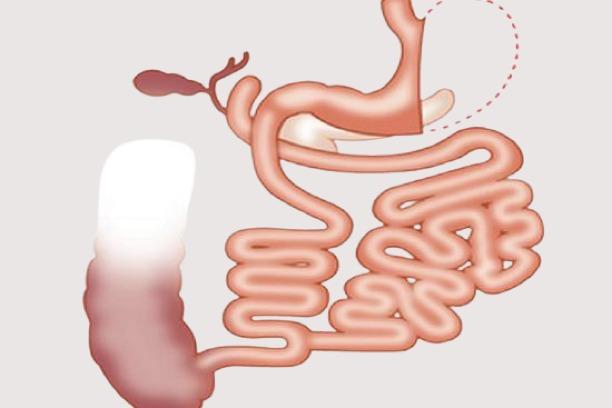
After a sleeve or a bypass, food reaches the intestine faster. The intestine then releases more hormones (including GLP-1) that help the body produce insulin and use it better. Blood sugar often falls in the days following the operation.
An effect of weight loss
In the following months, weight loss reduces the fat around the organs and in the liver. The body becomes more sensitive to insulin again, which strengthens and prolongs the improvement in diabetes.
Sleeve or bypass?
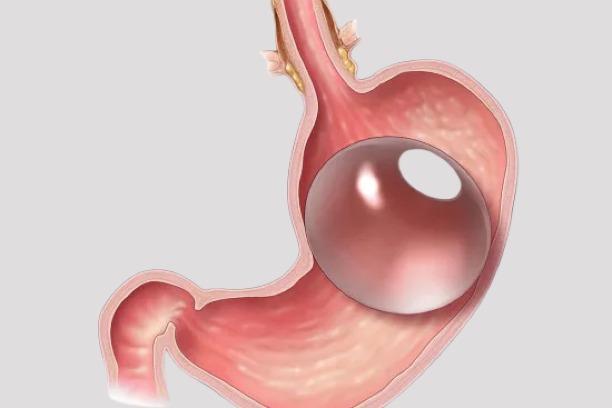
The bypass generally has the strongest effect on diabetes and also treats reflux. The sleeve is simpler, does not touch the intestine and requires fewer vitamins. The choice is made with the surgeon and the endocrinologist, according to your diabetes, weight and health.
Who can benefit from metabolic surgery?
It is for adults with type 2 diabetes, after a complete assessment:
- a BMI of at least 35 with type 2 diabetes;
- according to international guidelines, a BMI between 30 and 35 when diabetes remains poorly controlled despite well-followed treatment;
- a pancreas that still produces insulin: the chances of success are higher when diabetes is recent, less than 5 to 10 years old;
- the motivation to follow lifelong medical and nutritional follow-up.
When it is not advised
- type 1 diabetes, or very long-standing type 2 diabetes with no insulin production;
- serious heart, lung or kidney disease that makes anesthesia too risky;
- untreated serious eating disorders;
- current pregnancy or pregnancy planned within 12 to 18 months.
How does metabolic surgery in Turkey work, step by step?
- You send us your request. Through the website form or on WhatsApp, with your weight, height, latest HbA1c and list of treatments.
- We look for the best option for your case and budget. We pass your file on to the surgeons and endocrinologists of our partner hospitals, who review it together.
- You receive your care plan and quote. Within 48 hours: the proposed technique (sleeve or bypass), the length of stay and a detailed price, free and with no obligation.
- We organize your trip. Hospital appointments, hotel booking, airport transfer and interpreter: everything is ready before you leave.
- We stay by your side until you return. 24/7 assistance throughout your stay, then follow-up of your diabetes and check-ups, in Turkey or near home.
After the operation: blood sugar, diet and results
Diabetes treatment changes quickly
Insulin and medication needs often fall from the first days. Measure your blood sugar as instructed and never change your doses on your own: your doctor adjusts them step by step, to avoid hypoglycemia.
Diet
You go through stages: liquids, then blended food, then soft food, before a normal diet in small portions at around 6 to 8 weeks. Favor protein, limit sugar and drink between meals.
Results
Weight loss averages 25 to 35% of starting weight. Many patients can reduce or stop their medication, and about half return to normal blood sugar without treatment a few years later, especially when diabetes was recent. Blood pressure, cholesterol, fatty liver and sleep apnea also very often improve.
Lifelong follow-up
A blood test (blood sugar, HbA1c, vitamins) is done at 3, 6 and 12 months, then every year. Vitamins are essential, especially after a bypass. Diabetes can come back over the years if weight is regained: follow-up allows it to be detected early.
What are the risks of metabolic surgery?
They are those of the sleeve and the bypass. Performed by laparoscopy in an experienced center, these operations are well mastered, and serious complications are rare.
| Risk | What it is | Good to know |
|---|---|---|
| Leak at a suture | A stitch line in the stomach or intestine is not watertight | Rare, monitored in hospital |
| Bleeding | Bleeding after the operation | Rare, monitored in hospital |
| Deep vein thrombosis and pulmonary embolism | A clot in a leg vein | Prevented by walking, stockings and injections |
| Hypoglycemia | Blood sugar too low if treatment is not reduced | Avoided by adjusting doses with your doctor |
| Deficiencies | Lack of vitamins or minerals | Avoided with supplements and blood tests |
| Reflux | Acid reflux, especially after a sleeve | Often treated with medication |
| Dumping syndrome | Feeling unwell after a sugary meal, especially after a bypass | Avoided by limiting sugar and eating slowly |
How to choose your hospital and quote?
A low price is not enough. Ask the hospital these questions before committing:
- Is the hospital authorized by the Turkish Ministry of Health to treat international patients?
- Who will perform the operation, and how experienced are they with this technique?
- Does an endocrinologist review your file and adjust your diabetes treatment during the stay?
- Which technique is proposed, sleeve or bypass, and why in your case?
- Who takes care of a complication, on site and after your return home?
- What medical and nutritional follow-up is planned, and with whom?
What a good quote should specify
- The name of the hospital and the doctor
- The tests, anesthesia, hospital stay and medication included
- The number of nights in hospital and at the hotel, and the transfers
- What happens in case of complication or cancellation
- The follow-up offered after your return
Also budget for your flight and follow-up consultations. Planned treatment in Turkey is usually not covered by public health insurance: ask your insurer in writing before committing.
Take time to think, and be wary of any offer that pushes you to decide quickly.
Our partner hospitals in Turkey







Frequently asked questions about metabolic surgery in Turkey
How much does metabolic surgery cost in Turkey?
With TurquieMed, a gastric sleeve starts from $2,700 and a gastric bypass from $4,600. This price includes the operation, assessment, hospital stay, hotel, transfers, interpreter and assistance during your stay. The exact price appears on your free quote, prepared after your file has been reviewed.
Does metabolic surgery cure type 2 diabetes?
It improves it very often, and about half of patients return to normal blood sugar without medication a few years later. We speak of remission rather than cure, because diabetes can come back, especially if weight is regained. The chances are higher when diabetes is recent and treated without insulin.
What is the difference with standard obesity surgery?
The operations are the same (sleeve or bypass), but the main goal is diabetes. The indication can therefore be made at a lower BMI, and the file is reviewed with an endocrinologist, who adjusts treatment before, during and after the operation.
Should I stop insulin or medication before the operation?
No, never on your own. Some medications are stopped or reduced just before the operation, on the medical team’s instructions. After the operation, doses are usually reduced gradually according to your blood sugar.
How long do I need to stay in Turkey?
Plan for 5 to 7 days in general: assessment on arrival, operation the next day, 2 to 3 nights in hospital, then a few days at the hotel before a final check-up. During the flight, wear your compression stockings and keep your blood glucose meter with you.
Is metabolic surgery covered by insurance?
Planned obesity surgery in Turkey is usually not covered by public health insurance systems, even when the same operation would be covered at home. Follow-up care at home is generally covered as usual. Some private insurers and international health plans do cover treatment abroad: ask your insurer in writing before you travel.
Your metabolic surgery project in Turkey
Send us your weight, height, latest HbA1c and list of treatments. A surgeon and an endocrinologist review your file: you receive an opinion and a free quote within 48 hours.
 Our advisors present the options suited to your case in Turkey