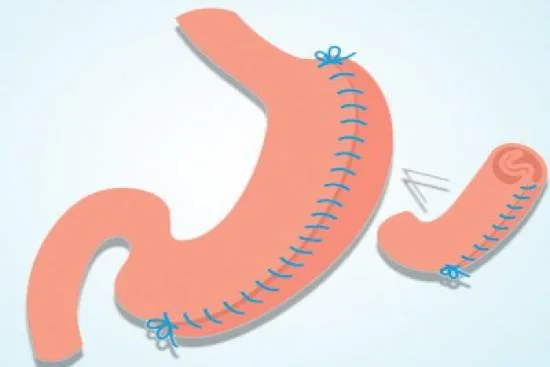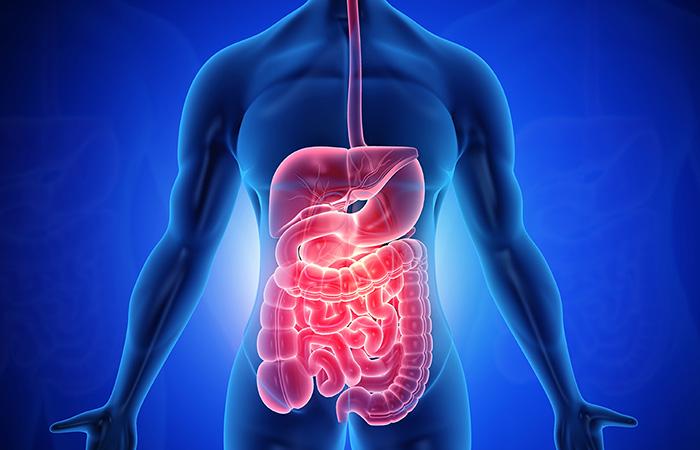
Gastric balloon in Turkey: lose weight without surgery
Everything you need to know about the gastric balloon in Turkey: who it is for, types of balloon, placement, eating, removal, risks and price.
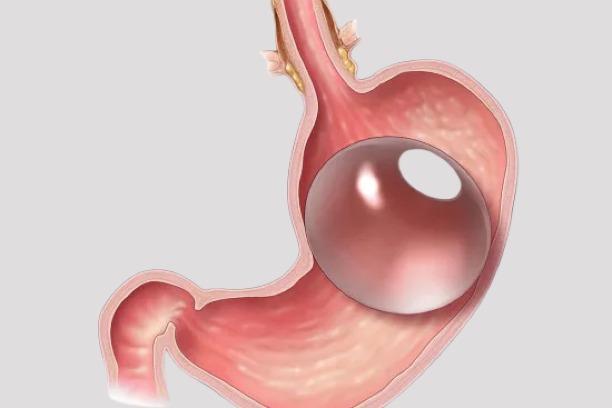
What is a gastric balloon in Turkey?
A gastric balloon in Turkey is intended for overweight or obese adults, with a BMI of about 27 to 40 depending on the model, who have not managed to lose weight lastingly with diet and physical activity, and who do not want or do not need surgery. The balloon is placed by endoscopy under sedation in 20 to 30 minutes, or swallowed as a capsule depending on the model, and stays in place for 4 to 12 months. Plan on 2 to 4 days in Turkey. With TurquieMed, prices start from €1,500.
TurquieMed organizes your stay: review of your file by a doctor, opinion and detailed quote within 48 hours, airport pick-up, transfers, hotel, interpreter and 7-day-a-week assistance.
To choose well, check the doctor’s experience, the brand and duration of the balloon, how it will be removed and the nutritional follow-up planned after your return.
- Technique
- Endoscopy, or a swallowable capsule depending on the model
- Anesthesia
- Sedation or anesthesia, depending on the model and hospital
- Time in place
- About 4 to 12 months depending on the model
- Follow-up
- Medical and nutritional, during and after the balloon
How much does a gastric balloon cost in Turkey?
With TurquieMed, a gastric balloon in Turkey costs from €1,500. The final price depends on the model of balloon (fluid-filled, air-filled, adjustable or swallowable), the hospital, the tests and the length of stay. It appears on your free quote, prepared after your medical file has been reviewed.
Gastric balloon package
- VIP airport transfer
- 2 nights in a 4* hotel (breakfast)
- Medical check-up
- TurquieMed assistance 7 days a week
- Hotel / clinic transfers
- Medication in hospital
- 3 meals a day in the clinic
- 1 night in hospital
- Laboratory tests
- Placement of your gastric balloon
- Interpreter service in the clinic
- Doctor’s visit
Package price
from €1,500
Indicative, non-contractual price. The final price is set in a personalized quote, after your medical file has been reviewed, and may be higher. Flight, balloon removal and any additional tests not included, unless stated on your quote.
Why have a gastric balloon in Turkey?
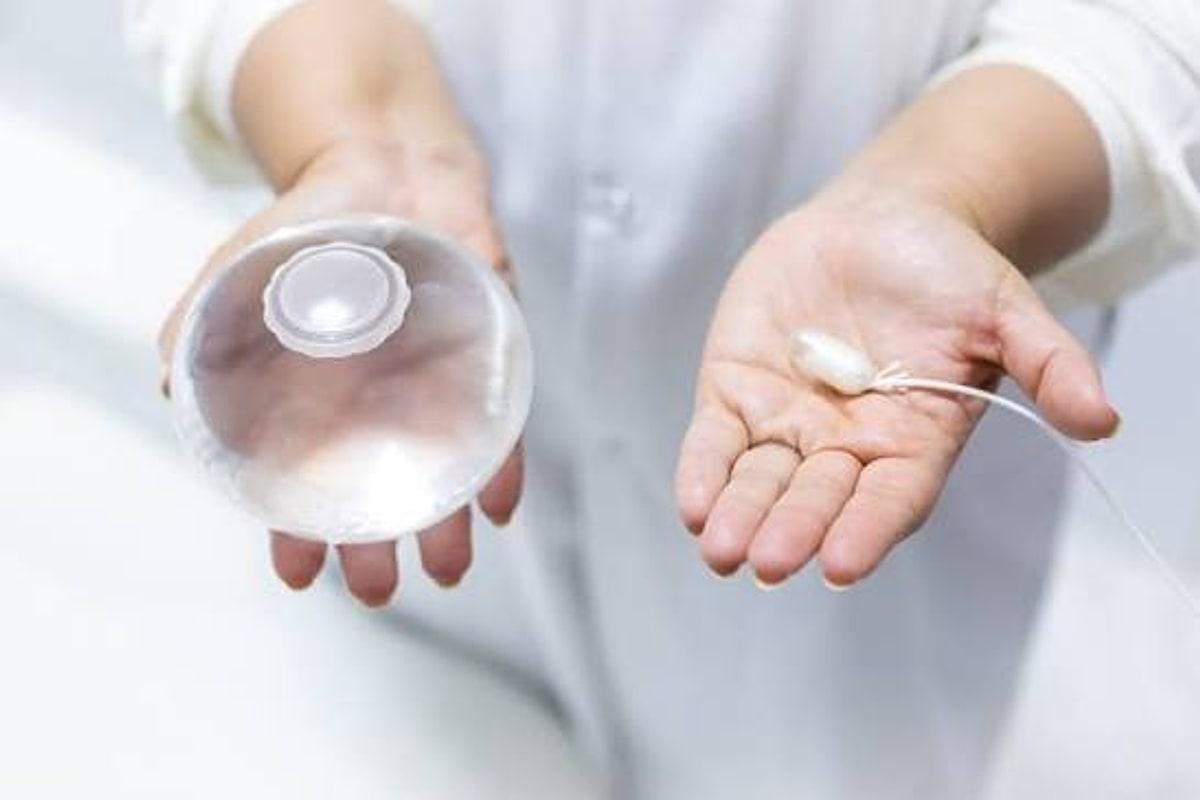
The gastric balloon is often the first step to losing weight without surgery. In Turkey, it is placed by gastroenterologists experienced in endoscopy, with follow-up during the months the balloon stays in place.
Qualified doctors
Placing a gastric balloon requires a doctor trained in endoscopy and in this device, as well as a team able to manage a complication. In Turkey, many qualified doctors perform this procedure. Ask for the doctor’s name, specialty and experience with the proposed balloon model.
Modern hospitals
Modern hospitals in Turkey welcome international patients in departments equipped for endoscopy, anesthesia and monitoring. Several Turkish hospitals have been awarded international JCI accreditation. Always ask which authorizations and accreditations the proposed hospital holds.
Advanced technology
Depending on the hospital, a gastric balloon in Turkey can rely on advanced technology:
- endoscopy, to check the stomach and place the balloon;
- different balloon models, filled with fluid or air;
- swallowable balloons in some hospitals;
- imaging to check the position of some balloons;
- monitoring during sedation or anesthesia.
A state-regulated sector
Since the April 2025 regulation, facilities that treat international patients must be authorized by the Turkish Ministry of Health.
An organized stay
TurquieMed organizes your appointments, hotel and transfers, with assistance available 24/7. Istanbul has direct flights from most major cities, and the main medical centers are in Istanbul, Ankara and Izmir.
How does a gastric balloon work?
A feeling of fullness
Once filled, the balloon floats in the stomach and reduces the space available for food. You feel full with smaller portions.
Temporary help
The balloon only works while it is in the stomach. This period is used to learn new habits: portions, food choices, physical activity and managing hunger.
No incision
The gastric balloon is often chosen by people who do not want surgery or who do not have access to it. It is still a medical device, with contraindications and risks.
What types of gastric balloon are there?
There are several models. The doctor chooses according to your file, your goal and the follow-up available.
| Type | Placement | Removal | Duration |
|---|---|---|---|
| Fluid-filled balloon | By endoscopy | By endoscopy | Often 6 months |
| Air-filled balloon | By endoscopy | By endoscopy | Often 6 months |
| Adjustable balloon | By endoscopy | By endoscopy | Up to 12 months |
| Swallowable balloon | Capsule swallowed under medical supervision | Passes naturally with some models | About 4 months |
Ask for the exact name of the balloon, its manufacturer and its maximum duration. Keep the card or document given to you after placement.
Gastric balloon or another obesity treatment?
The gastric balloon is not the only solution. It is the lightest, but also the one whose effect is the most limited in time. The right choice depends on your BMI, your health conditions, your history and the result you are aiming for: the doctor will guide you after reviewing your file.
| Criterion | Gastric balloon | Gastric botox | Gastric band | Gastric plication | Gastric sleeve | Gastric bypass |
|---|---|---|---|---|---|---|
| Price in Turkey | From €1,500 | From €1,500 | From €3,900 | €3,500 to €4,500 | From €2,800 | From €4,000 |
| Technique | Endoscopy, no incision | Endoscopy, no incision | Laparoscopy | Laparoscopy | Laparoscopy | Laparoscopy |
| Procedure time | 20 to 30 minutes | 15 to 20 minutes | 1 to 2 hours | 1 to 2 hours | 1 to 2 hours | 2 to 3 hours |
| Average weight loss | 10 to 15% of body weight in 6 months | Modest, a few kilos | 15 to 20% of body weight | 20 to 25% of body weight | 25 to 30% of body weight in the 1st year | 30 to 35% of body weight |
| Reversible | Yes (temporary) | Yes (temporary effect) | Yes | Partly | No | Difficult |
| Changes to the intestine | No | No | No | No | No | Yes |
| Risk of deficiencies | Low | Low | Low | Low | Moderate | High |
These figures are indicative and vary between patients, surgeons and techniques.
Gastric sleeve
The surgeon removes about three quarters of the stomach. The operation is permanent and leads to an average loss of 25 to 30% of body weight in the first year, with a much more lasting result than the balloon. It is generally intended for people with a BMI of at least 40, or at least 35 with a weight-related condition. Read our guide to the gastric sleeve in Turkey.
Gastric bypass
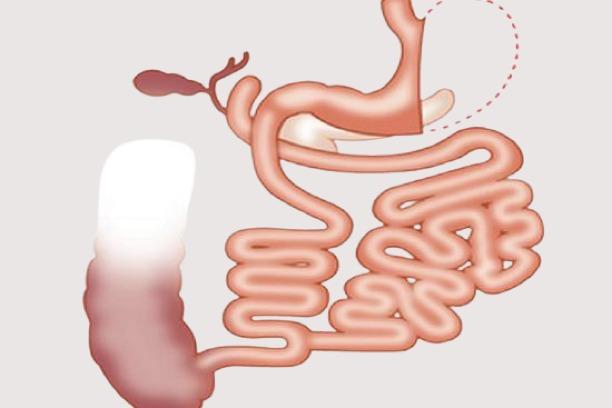
The surgeon reduces the stomach and routes food directly to a lower part of the intestine. Bypass has a strong effect on weight, type 2 diabetes and reflux, but carries a higher risk of deficiencies: vitamins are needed for life. The BMI criteria are the same as for the sleeve. Read our guide to gastric bypass in Turkey.
Gastric band
An adjustable band is placed around the top of the stomach to limit quantities. It can be removed, but it is used less today, as its results are less lasting and repeat operations more frequent than with the sleeve or bypass. Read our guide to the gastric band in Turkey.
Gastric botox
The doctor injects botulinum toxin into the stomach wall by endoscopy, to slow emptying and delay hunger. The procedure is quick, but its effect is modest and lasts only a few months. Scientific studies on this technique remain limited. Read our guide to gastric botox in Turkey.
Who can benefit from a gastric balloon?
It is generally intended for adults in one of these situations, depending on the model:
- overweight or obesity with a BMI from 27 or 30, depending on the device;
- failure of well-followed nutritional care;
- significant obesity in a person who cannot or does not want to have surgery, on medical advice;
- acceptance of medical and nutritional follow-up.
To calculate your BMI, divide your weight by your height squared: 90 kg for 1.70 m gives a BMI of 31.
Contraindications
A gastric balloon may not be recommended or may be contraindicated in case of:
- previous surgery on the esophagus, stomach or duodenum;
- a large hiatal hernia, severe esophagitis or an ulcer;
- pregnancy, planned pregnancy or breastfeeding;
- anticoagulant treatment or a clotting disorder;
- treatment with anti-inflammatories or antiplatelet drugs, depending on medical advice;
- severe liver disease;
- severe eating disorders, severe psychiatric disorders, alcohol or substance dependence.
How to prepare for your gastric balloon in Turkey?
Your medical file
- your weight, height and weight history;
- your illnesses, past operations and allergies;
- all your medication, including anti-inflammatories;
- your recent tests and digestive examinations.
Your follow-up at home
Before you leave, find out who will follow you at home: your family doctor, a nutritionist and a doctor able to deal with the balloon if there is a problem. A team far from the hospital where it was placed may not know the device: keep all the information with you.
Your trip
Bring your passport, prescriptions and test results. Stay long enough to get through the first days. Book a flexible return ticket and check what your travel insurance covers.
Your journey step by step
- You send your file. Weight, height, medical history, treatments and recent tests.
- The doctor reviews it. They tell you whether a balloon is possible, and which one.
- You receive your quote. It specifies the hospital, the model, the stay, the follow-up and removal.
- You have your check-up on site. Consultation and tests before placement.
- The balloon is placed. The team monitors you and gives you your instructions.
- You go home with your file. Report, device card, prescriptions and removal date.
How is a gastric balloon placed?
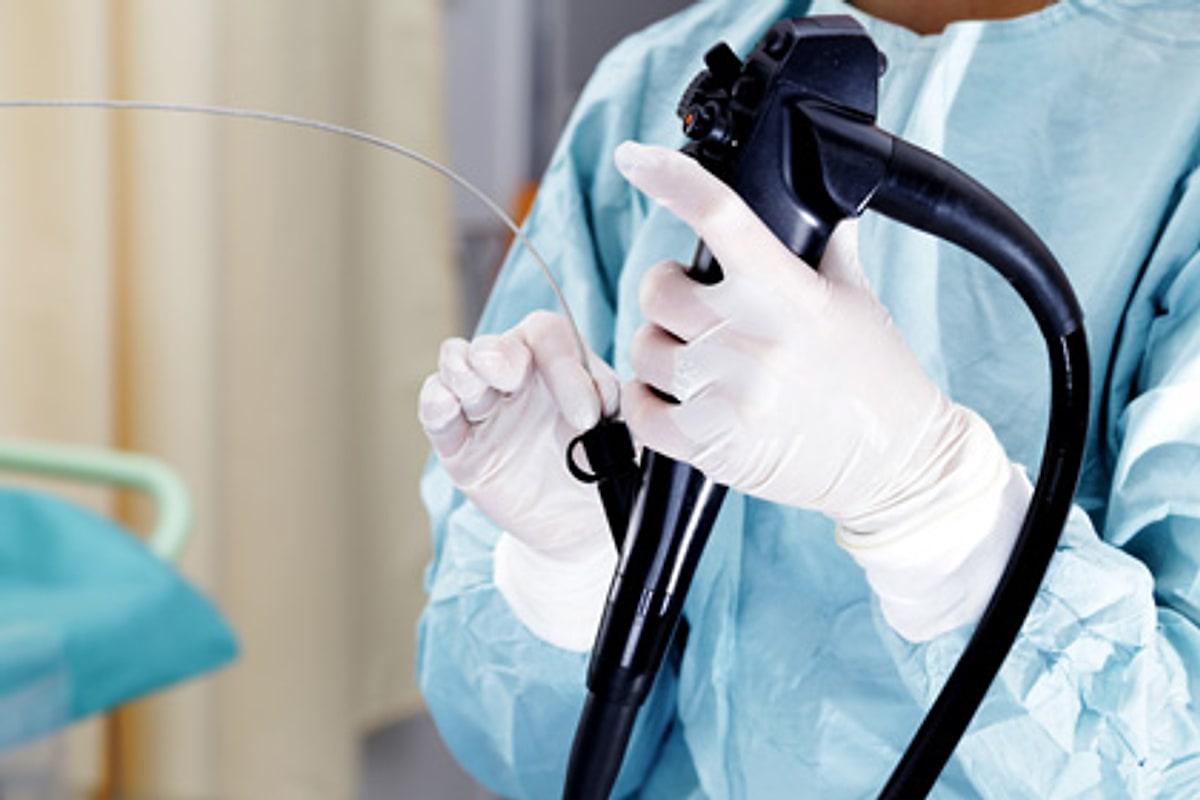
Placement by endoscopy
You arrive without having eaten. An endoscopy first checks the condition of the esophagus and stomach. The doctor then places the empty balloon and fills it. The procedure usually takes twenty to thirty minutes.
Swallowable balloon
Some balloons are swallowed as a capsule, then filled through a thin tube. A medical check confirms their position before filling.
After the procedure
The team monitors you until you can leave. They prescribe medication against nausea and to protect the stomach, as well as an eating plan.
The first days
The first days are often the hardest, as the stomach has to get used to the balloon. Nausea, vomiting, abdominal pain or cramps and heartburn are common. Drink often, in small sips, to avoid dehydration, and take your treatment. If symptoms persist or you can no longer drink, contact your team without delay.
What can you eat with a gastric balloon?

Your team gives you a precise plan. It usually follows these stages, whose length varies:
| Stage | Foods | Goal |
|---|---|---|
| Liquid | Water, broths, approved drinks | Stay well hydrated and reduce nausea |
| Puréed or semi-liquid | Smooth purées, stewed fruit, dairy | Gently return to food |
| Soft texture | Soft, well-cooked foods | Learn to eat slowly |
| Balanced diet | Varied meals in small portions | Keep good habits |
Good habits
- eat slowly and chew well;
- stop as soon as you feel full;
- drink often, in small sips;
- favor protein, vegetables and low-sugar foods;
- limit fizzy drinks, sugar and very fatty foods.
How is a gastric balloon removed?
The balloon must never stay in longer than the duration planned for its model. Most are deflated and removed by endoscopy, under sedation or anesthesia. Some models empty and pass naturally after a few months.
For a stay in Turkey, ask the question from the quote stage: is removal included, do you need to come back, and which doctor can do it near your home? Note the removal date and contact your team if in doubt.
Results
Weight loss varies greatly from person to person and depends mainly on diet, physical activity and follow-up. No result can be guaranteed. Weight regain is possible after removal if habits do not change for good: keep up nutritional follow-up and regular activity after the balloon.
Daily life
Walking can resume as soon as you feel better; the doctor will tell you when to gradually resume sport. Unless advised otherwise by a doctor, avoid anti-inflammatories and aspirin. Always tell your doctors and pharmacist about your balloon, especially before an anesthetic. Discuss contraception with your doctor during treatment, and tell them immediately in case of pregnancy.
What are the risks of a gastric balloon?
The gastric balloon is a well-mastered procedure, with no incision. Most effects are temporary and occur in the first days, while the stomach gets used to the balloon. Serious complications are rare: each affects fewer than 1 patient in 100. The figures below come from published medical data and vary between models and teams.
The most common effects
| Effect | What it is | Good to know |
|---|---|---|
| Nausea, vomiting, cramps | The stomach reacting to the balloon | Common in the first days, relieved by medication |
| Dehydration | Lack of water due to vomiting | About 1.6%, avoided by drinking often in small sips |
| Esophagitis | Irritation of the esophagus | About 1.3%, prevented by stomach-protecting medication |
| Early removal | Balloon poorly tolerated | About 2 to 4% |
Rare complications
They are uncommon, but it is important to know them so you can react quickly if a symptom appears.
| Complication | What it is | Frequency |
|---|---|---|
| Gastric obstruction | The balloon blocks the passage of food | Less than 1% |
| Balloon migration | The balloon deflates and moves into the intestine | Less than 1% |
| Gastric ulcer | A small sore in the stomach | About 0.2% |
| Gastric perforation | Damage to the stomach wall | About 0.1 to 0.2%, mainly after previous stomach surgery |
| Balloon hyperinflation | The balloon increases in volume | Rare, mainly with some fluid-filled balloons |
| Pancreatitis | Inflammation of the pancreas | Very rare, about 0.02% |
To reduce these risks, choose a recognized brand of balloon, placed by a doctor trained in that model, respect the maximum duration set by the manufacturer and follow your team’s instructions.
How to choose your hospital and quote?
A low price is not enough. Ask the hospital these questions before committing:
- Is the hospital authorized by the Turkish Ministry of Health to treat international patients?
- Who will perform the balloon placement, and how experienced are they with this technique?
- Which balloon is used (exact name and manufacturer), and what is its maximum duration?
- Is removal included in the price, and where will it be done?
- Can the hospital handle a digestive or surgical emergency?
- Who takes care of a complication, on site and after your return home?
- What medical and nutritional follow-up is planned, and with whom?
What a good quote should specify
- The name of the hospital and the doctor
- The tests, anesthesia, hospital stay and medication included
- The number of nights in hospital and at the hotel, and the transfers
- What happens in case of complication or cancellation
- The follow-up offered after your return
Also budget for your flight and follow-up consultations. Planned treatment in Turkey is usually not covered by public health insurance: ask your insurer in writing before committing.
Take time to think, and be wary of any offer that pushes you to decide quickly.
Our partner hospitals in Turkey








Frequently asked questions about the gastric balloon in Turkey
What is a gastric balloon?
It is a soft silicone balloon placed temporarily in the stomach. Depending on the model, it is filled with about 400 to 700 ml of saline, or with air. It takes up part of the stomach: you feel full sooner, with smaller portions, and hunger decreases. It stays in place for 4 to 12 months depending on the model, then is removed or passes naturally. It is also called an intragastric balloon.
Is a gastric balloon surgery?
No. In most cases there is no incision, no scar and no general anesthesia. The balloon is placed by endoscopy, a thin tube with a camera passed through the mouth, under sedation, in 20 to 30 minutes. Some models are swallowed as a capsule. You usually leave the clinic the same day or the next day. It is nevertheless a medical procedure, which requires a check-up before placement and follow-up for as long as the balloon is in place.
What BMI do you need for a gastric balloon?
Usually a BMI between 30 and 40, or from 27 with a weight-related condition such as high blood pressure, type 2 diabetes or sleep apnea, depending on the model. You also need to have tried diet and physical activity without lasting success. Above 40, a sleeve or bypass usually gives better results; the balloon can then be used to lose weight before an operation.
How much does a gastric balloon cost in Turkey?
With TurquieMed, a gastric balloon in Turkey costs from €1,500. This price covers the package: VIP airport transfer, 2 nights in a 4* hotel, laboratory tests, medical check-up and doctor’s visit, balloon placement, 1 night in hospital, medication, meals in the clinic, interpreter and assistance 7 days a week. The flight and balloon removal are not included, unless stated on your quote. The final price depends mainly on the model: a 12-month adjustable balloon costs more than a standard 6-month balloon.
Is a gastric balloon covered by insurance?
Generally not. The balloon, its placement and its removal are rarely covered by public health insurance, even when done at home. Some private insurers contribute a fixed amount: ask yours in writing before you travel. Follow-up consultations with your own doctor are generally covered as usual.
How long do you keep a gastric balloon?
It depends on the model: about 4 months for a swallowable balloon that passes on its own, 6 months for most standard balloons, and up to 12 months for an adjustable balloon. The duration is chosen with the doctor according to the weight to lose and your lifestyle. Never exceed the maximum duration set by the manufacturer: note the removal date at placement and keep the balloon card with you.
How is the balloon removed?
Most balloons are removed by endoscopy, under sedation, as for placement: the doctor deflates the balloon and brings it out through the mouth. The procedure takes about 20 to 30 minutes and you leave the same day. Swallowable balloons empty and pass naturally, with no removal procedure. For a stay in Turkey, decide at the quote stage where removal will be done: by returning to Turkey for a short 1 to 2 day stay, or with a gastroenterologist near your home.
Is placing a gastric balloon painful?
The placement itself is not painful: you are sedated and usually do not remember it. The first 3 to 7 days are the most uncomfortable, with nausea, vomiting or stomach cramps, while the stomach gets used to the balloon. Medication against nausea and cramps is prescribed on discharge, and most patients feel much better after the first week.
How much weight can you lose with a gastric balloon?
On average 10 to 15% of starting weight in 6 months, or 10 to 15 kg for a person weighing 100 kg, or 12 to 18 kg for a person weighing 120 kg. Weight loss is fastest in the first 3 months, when the feeling of fullness is strongest. Patients who follow the eating plan, favor protein and walk every day get the best results, and some exceed 20% of their body weight.
Do you regain weight after the balloon is removed?
Partial regain is common if habits do not change, as the feeling of fullness disappears with the balloon. The balloon is a 6 to 12 month aid to learn to eat differently: three proper meals a day, smaller portions, less sugar. To keep your result, continue nutritional follow-up for at least 6 months after removal, walk at least 30 minutes a day and weigh yourself every week.
What is the difference between a gastric balloon and a sleeve?
The balloon is temporary and non-surgical: it leads to an average loss of 10 to 15% of body weight, and costs from €1,500 with TurquieMed. The sleeve is a permanent operation that removes about three quarters of the stomach: it leads to an average loss of 25 to 30% of body weight in the first year, with a much more lasting result, and costs from €2,800. The balloon is better suited to a BMI between 27 and 40; the sleeve is generally for a BMI of at least 40, or 35 with a weight-related condition.
Can you fly with a gastric balloon?
Yes. Most patients fly 2 to 3 days after placement, once the nausea has eased and they are drinking properly. Cabin pressurization is generally not a problem with a balloon. During the flight, drink regularly in small sips and get up from time to time. Keep the balloon card and the placement report with you.
Can you get pregnant with a gastric balloon?
Pregnancy is not recommended while the balloon is in place: rapid weight loss, possible vomiting and some medication are not suitable. A wish to become pregnant and breastfeeding are among the contraindications to placement. Effective contraception is recommended until removal, and it is better to wait until your weight has stabilized before conceiving. Tell your doctor immediately in case of pregnancy.
Your gastric balloon project in Turkey
Send us your weight, height, medical history and current treatments. You will receive an opinion and a free quote after your file has been reviewed.