Prostate cancer treatment in Turkey: specialized urologists and modern technology
Symptoms, diagnosis, robotic surgery, radiotherapy, hormone therapy, nuclear medicine (Lutetium-177 PSMA), follow-up and prices: everything you need to know about prostate cancer treatment in Turkey.
What does prostate cancer treatment in Turkey involve?
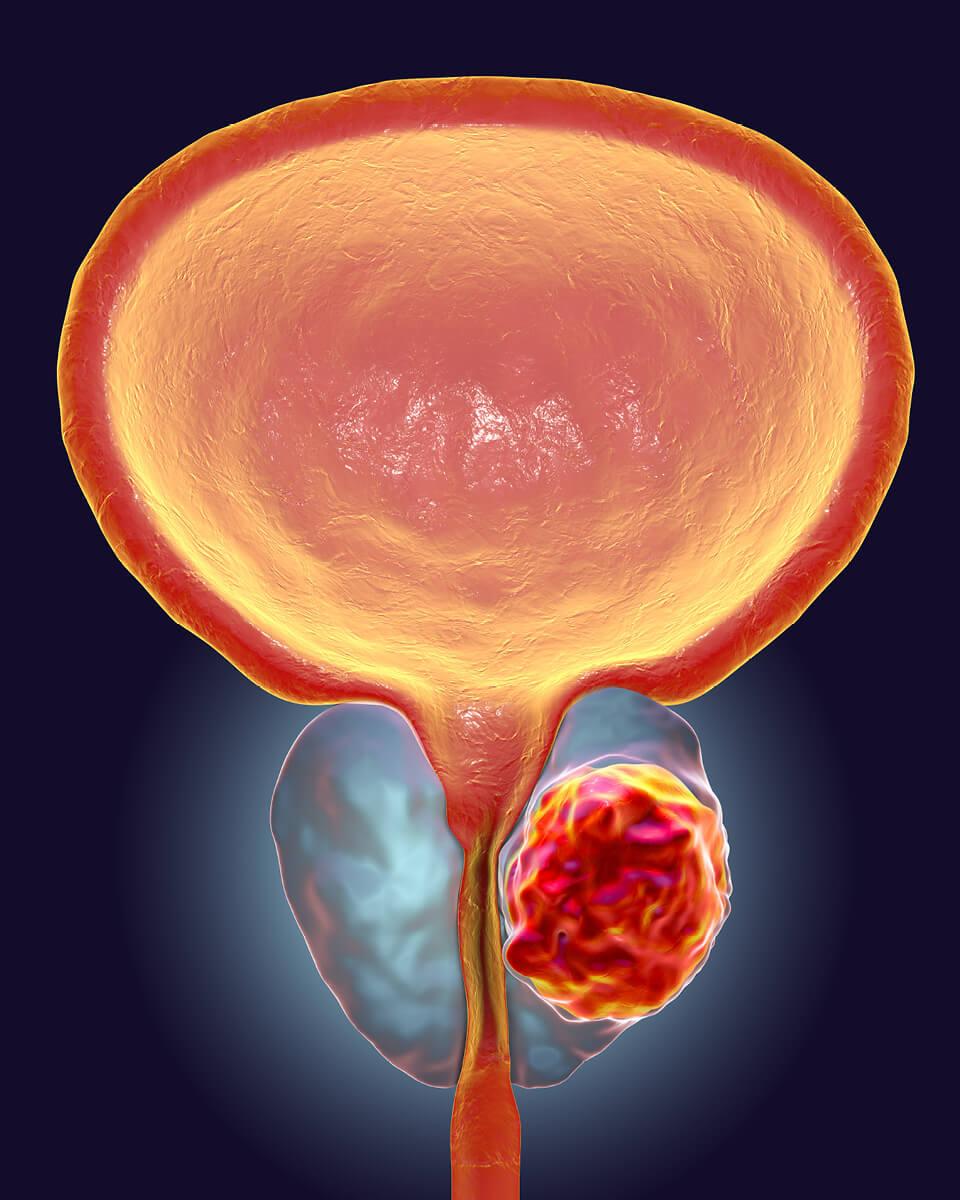
Frequent urination at night, a weak stream, or simply a slightly high PSA level in a blood test: this is often how prostate cancer is discovered, sometimes before any symptoms. It is the most common cancer in men, especially after 50. It usually grows slowly and, when detected early, responds very well to treatment.
Prostate cancer treatment in Turkey is provided by specialized urologists and oncologists in modern hospitals in Istanbul, Ankara and Izmir, authorized by the Turkish Ministry of Health. Depending on the stage, it may involve active surveillance, surgery (prostatectomy, often robot-assisted), radiotherapy or hormone therapy. For advanced cancers, Turkey is also one of the most experienced countries in nuclear medicine, with Lutetium-177 PSMA and Actinium-225 PSMA treatments. A first opinion can be given remotely based on your PSA, MRI and biopsy. For surgery, plan on 10 to 12 days in Turkey. Indicative prices range from €800 for specialized tests to €6,000–12,000 for a prostatectomy.
TurquieMed organizes your stay: forwarding your file to the urology team, opinion and detailed quote within 48 hours, airport pick-up, transfers, hotel, interpreter and 7-day-a-week assistance.
- First opinion
- Within 48 hours, based on your file
- Treatments
- Surveillance, surgery, radiotherapy, hormone therapy, nuclear medicine
- Stay for surgery
- Usually 10 to 12 days
- Follow-up
- PSA tests, with your urologist back home
How much does prostate cancer treatment cost in Turkey?
In Turkey, prostate cancer treatment costs much less than in many European countries, with comparable equipment. The price mainly depends on the stage of the disease and the treatment chosen. As an indication:
| Treatment | Indicative price in Turkey | Good to know |
|---|---|---|
| Prostate surgery (prostatectomy) | €6,000 to €12,000 | Depending on the technique (laparoscopic or robotic) and length of hospital stay |
| Advanced radiotherapy | €4,000 to €9,000 | Depending on the technique and number of sessions |
| Hormone therapy or targeted treatments | From €2,500 | Depending on the protocol and its duration |
| Nuclear medicine: Lutetium-177 PSMA or Actinium-225 PSMA | On quote | Price per cycle, depending on the product and number of cycles |
| Specialized diagnostic tests (MRI, PSMA PET-CT, targeted biopsies) | €800 to €2,500 | Depending on the tests needed |
These prices are indicative and not binding. Your free, detailed quote is prepared after your medical file has been reviewed: it specifies each step, the hospital stay, medication, hotel, transfers and interpreter. Flights are usually at your own expense.
Why have prostate cancer treatment in Turkey?

Prostate cancer now has several effective treatment options, from active surveillance to nuclear medicine. The right choice depends on precise tests and a team that masters all of these techniques: this is what Turkey’s leading urology and oncology centers offer.
- Highly precise diagnosis. Multiparametric MRI, targeted transperineal biopsies and PSMA PET-CT show exactly how far the disease has spread before treatment is decided.
- Experienced robotic surgery. Robot-assisted prostatectomy is performed routinely in leading centers, preserving the erectile nerves when the cancer allows.
- State-of-the-art radiotherapy. High-precision radiotherapy (IMRT, VMAT), stereotactic radiotherapy in 5 sessions and brachytherapy: the protocol is chosen according to your cancer and lifestyle.
- A reference in nuclear medicine. Many Turkish departments have been offering Lutetium-177 PSMA and Actinium-225 PSMA for years, treatments that are still hard to access in many countries.
- The right treatment, not the heaviest. Urologist, oncologist, radiation oncologist and nuclear medicine physician compare the options together, following European Association of Urology (EAU) guidelines, including active surveillance when it is enough.
- A short stay for surgery. A robotic prostatectomy usually requires 10 to 12 days in Turkey, including catheter removal, in hospitals several of which are JCI-accredited.
What are the causes and risk factors of prostate cancer?
The causes of prostate cancer are not fully known, but three main factors increase the risk:
- age: it is rare before 50 and increasingly common afterwards;
- a family history: an affected father or brother, especially before 55;
- ethnic background: the risk is higher in men of African or Caribbean descent;
- certain genetic mutations: particularly in the BRCA2 gene.
There is no sure way to prevent it. A PSA test can be discussed with your doctor from age 50, or 45 if you are at higher risk.
What are the symptoms of prostate cancer?
In its early stages, prostate cancer usually causes no symptoms. When signs appear, they may include:
- urinary problems: frequent urination, especially at night, a weak stream or difficulty starting;
- blood in the urine or semen;
- recent erection problems;
- pain in the back, pelvis or hips, at a more advanced stage.
Rest assured: these urinary problems are most often due to a benign enlargement of the prostate, very common after 50, and not to cancer. Still, see your doctor to be sure.
Screening
Screening policies vary by country. A PSA test and a rectal examination may be offered from age 50, or from 45 if you have a family history or are of African or Caribbean descent, after discussing the pros and cons with your doctor.
How is prostate cancer diagnosed?
PSA test and rectal examination
PSA is a protein produced by the prostate, measured with a simple blood test. A high level does not necessarily mean cancer, but it leads to further tests, such as a rectal examination.
Prostate MRI
Multiparametric MRI identifies suspicious areas and allows a targeted biopsy. It sometimes avoids an unnecessary biopsy.
Biopsy
Small samples of the prostate, guided by MRI, confirm the diagnosis. They are increasingly taken through the perineum (the skin between the scrotum and the anus), which greatly reduces the risk of infection. The analysis gives the Gleason score, or ISUP grade group from 1 to 5, which indicates whether the cancer is low, intermediate or high grade.
Staging and PSMA PET-CT
Depending on the risk, tests check whether the cancer has spread to the lymph nodes or bones. PSMA PET-CT is now the most precise test: a mildly radioactive tracer binds to PSMA, a protein on the surface of prostate cancer cells, and reveals lesions too small for a CT or bone scan. It is also this test that shows whether Lutetium-177 PSMA treatment is possible.
What are the treatments for prostate cancer?
Treatment depends on the stage, the aggressiveness of the cancer, your age and your health. It is decided by a multidisciplinary tumor board.
Active surveillance
For a low-grade cancer limited to the prostate, it is often better not to treat immediately, but to regularly monitor PSA, MRI and sometimes biopsy. Treatment is only offered if the cancer progresses. This option avoids the side effects of unnecessary treatment.
Surgery: radical prostatectomy
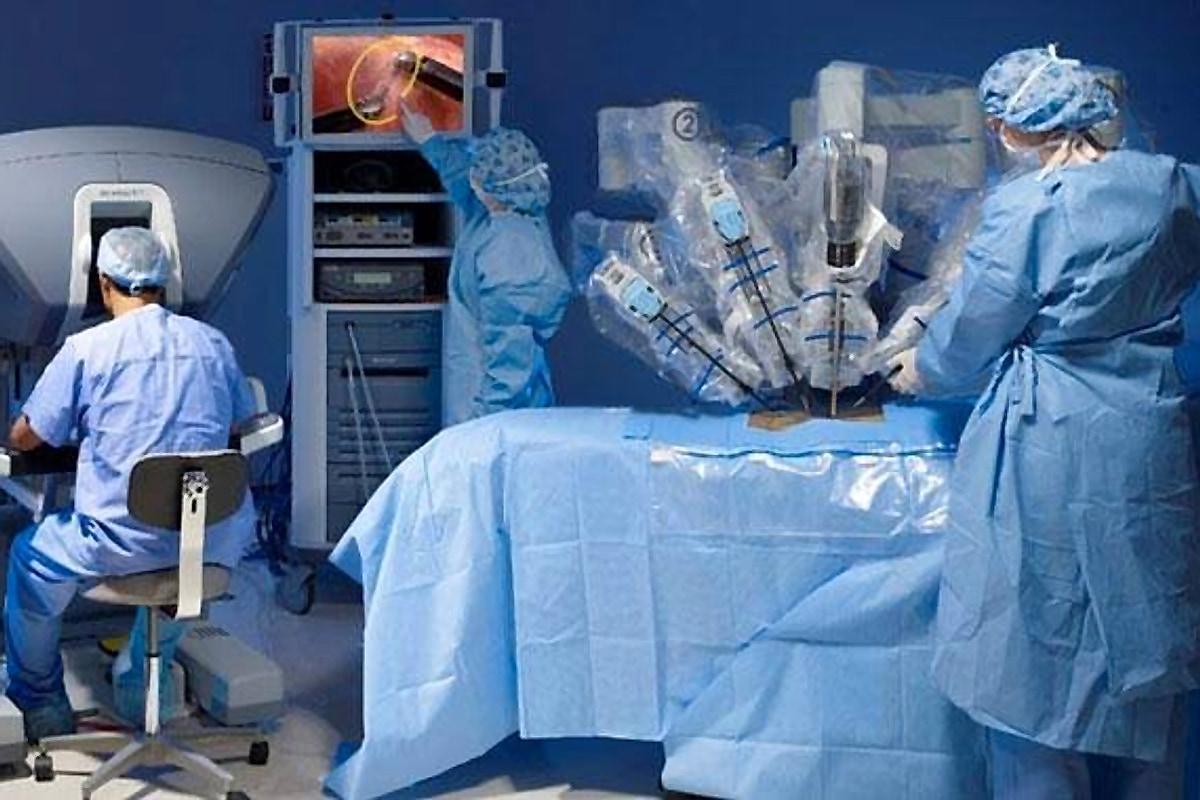
The surgeon removes the prostate and seminal vesicles, most often by robot-assisted laparoscopy, through small incisions. When the cancer allows, the erectile nerves are preserved. The operation usually lasts 2 to 4 hours, followed by 2 to 3 nights in hospital. A urinary catheter is left in place for about 7 to 10 days.
Radiotherapy
Radiation destroys cancer cells while sparing the bladder and rectum as much as possible. High-precision radiotherapy (IMRT, VMAT) is given in about twenty sessions over 4 to 5 weeks. Stereotactic radiotherapy, for example with a CyberKnife, treats some localized cancers in only 5 sessions over 1 to 2 weeks. For more aggressive cancers, it is often combined with a few months of hormone therapy.
Brachytherapy
Small radioactive seeds are placed directly in the prostate, under anesthesia, during a short procedure. It is suitable for some localized low- or intermediate-risk cancers, when the prostate is not too large.
Focal treatments: HIFU and cryotherapy
For some cancers limited to one area of the prostate, only that area can be treated, with focused ultrasound (HIFU) or freezing (cryotherapy), without removing the prostate. Effects on continence and erections are smaller, but close monitoring is needed and very long-term results are still being evaluated. These techniques are only for carefully selected cases.
Hormone therapy
It blocks testosterone, which fuels the cancer, through injections every 1 to 6 months or tablets. It accompanies radiotherapy for higher-risk cancers and is the basic treatment for metastatic disease. Newer hormone tablets (abiraterone, enzalutamide, apalutamide, darolutamide) strengthen its effect and significantly extend survival, from the start of metastatic disease.
Chemotherapy and targeted therapies
For some metastatic cancers, chemotherapy (docetaxel, then cabazitaxel) is combined with hormone therapy. If the tumor carries a BRCA gene mutation, a targeted tablet treatment (PARP inhibitor, such as olaparib) may be offered: hence the value of genetic testing of the tumor in advanced disease.
Nuclear medicine
For advanced cancers, mildly radioactive drugs injected into a vein destroy cancer cells wherever they are in the body: Lutetium-177 PSMA, Actinium-225 PSMA and Radium-223. They are detailed in the next section.
If PSA rises after treatment
A rising PSA after surgery or radiotherapy does not mean all is lost. A PSMA PET-CT locates the recurrence, often very early. Salvage radiotherapy, lymph node surgery or targeted radiotherapy to a few lesions can then often bring the disease under control again.
Read also our guide to breast cancer treatment in Turkey.
What is Lutetium-177 PSMA treatment?
Lutetium-177 PSMA is a nuclear medicine (“theranostic”) treatment for metastatic prostate cancer that progresses despite hormone therapy (castration-resistant cancer). A molecule that recognizes PSMA, found on the surface of cancer cells, carries a small dose of radiation directly to them, in the prostate, lymph nodes and bones. It is given by infusion every 6 weeks, usually for up to 6 cycles. Major studies have shown that it slows the disease, lowers PSA in most patients and extends survival, with generally moderate side effects.
Before it is offered, a PSMA PET-CT checks that the lesions take up the tracer: this is the condition for the treatment to work. A blood test also checks kidney function and blood counts.
| Treatment | For whom | How |
|---|---|---|
| Lutetium-177 PSMA | Metastatic cancer progressing despite hormone therapy, with PSMA-positive lesions | Infusion every 6 weeks, usually 4 to 6 cycles |
| Actinium-225 PSMA | Mainly when Lutetium-177 is no longer enough, in experienced centers | Infusion about every 8 weeks; a more powerful treatment, still being evaluated and not approved in many countries |
| Radium-223 | Painful bone metastases, without metastases in organs | Injection every 4 weeks, 6 injections |
How does a treatment cycle in Turkey work?
You arrive the day before or in the morning for a consultation and blood test. The infusion lasts about 30 minutes, followed by a few hours to 1–2 days in a dedicated room, according to the hospital’s radiation safety rules. Plan on 3 to 5 days in Turkey per cycle. Between cycles, you go home and your blood tests are done locally.
Precautions after a cycle
For a few days, drink plenty of water, urinate often and limit close, prolonged contact with pregnant women and young children. The team gives you precise written instructions.
How does your treatment in Turkey work?
Example for a prostatectomy:
- You send your file. Your complete medical file: imaging and pathology results.
- The team reviews it. The urologist gives an opinion and you receive a detailed quote.
- Day 1: arrival and tests. Airport pick-up, consultation with the urologist and anesthetist, additional tests if needed.
- Day 2: the operation. Laparoscopic prostatectomy, often robot-assisted, lasting 2 to 4 hours.
- Days 3 to 5: hospital stay. Up and walking the next day, monitoring, then discharge with the urinary catheter.
- Days 6 to 12: hotel, catheter removal and return. Catheter removed around day 7 to 10, final check-up, complete medical file handed over, then flight home.
For radiotherapy, the length of stay depends on the number of sessions: 1 to 2 weeks for short schedules, longer for standard schedules. For Lutetium-177 PSMA, plan on 3 to 5 days in Turkey per cycle, every 6 weeks.
Follow-up after treatment
PSA testing
After treatment, PSA is usually checked every 3 to 6 months for the first years, then once a year. It is the key test to confirm that treatment has worked. This follow-up takes place at home, with your urologist or doctor.
Continence
After a prostatectomy, urine leakage is common for the first weeks. It gradually improves: the vast majority of patients regain good continence within a few months, helped by pelvic floor exercises.
Sexual health
Erections may be weaker after surgery or radiotherapy. Whenever possible, the surgeon preserves the erectile nerves. Effective treatments exist to help restore sexual function: feel free to discuss it with your urologist.
Your medical file
Bring back from Turkey the operative report, the final pathology report and, for radiotherapy, the report with the doses received. They will allow your urologist to take over without interruption.
What are the possible side effects?
Prostate cancer treatments are well mastered today, and robotic surgery and high-precision radiotherapy have greatly reduced their side effects. Most are temporary and treatable.
| Effect | After which treatment | Good to know |
|---|---|---|
| Urine leakage | Surgery | Common at first, improves within a few months with pelvic floor exercises |
| Erection problems | Surgery, radiotherapy, hormone therapy | Effective treatments exist |
| Frequent urination, rectal irritation | Radiotherapy | Usually temporary, relieved by medication |
| Hot flushes, fatigue | Hormone therapy | Reduced by physical activity and, if needed, medication |
| Dry mouth, fatigue, mild nausea | Lutetium-177 or Actinium-225 PSMA | Usually moderate; dry mouth is more marked with Actinium |
| Low blood counts | Nuclear medicine, chemotherapy | Monitored by a blood test before each cycle |
How to choose the right hospital and quote?
A low price is not enough. Ask the hospital these questions before committing:
- Is the hospital authorized by the Turkish Ministry of Health to treat international patients?
- Who will perform the treatment, and how experienced are they with this technique?
- Is your file discussed by a multidisciplinary tumor board?
- Which techniques are offered: robotic surgery, high-precision radiotherapy, PSMA PET-CT?
- For advanced disease, does the hospital have a nuclear medicine department that provides Lutetium-177 PSMA?
- Who takes care of a complication, on site and after your return home?
- What medical follow-up is planned, and with whom?
What a good quote should specify
- The name of the hospital and the doctor
- The tests, anesthesia, hospital stay and medication included
- The number of nights in hospital and at the hotel, and the transfers
- What happens in case of complication or cancellation
- The follow-up offered after your return
Also budget for your flight and follow-up consultations. Planned treatment in Turkey is usually not covered by public health insurance: ask your insurer in writing before committing.
Take time to think, and be wary of any offer that pushes you to decide quickly.
Our partner hospitals in Turkey








Frequently asked questions about prostate cancer treatment in Turkey
How much does prostate cancer treatment cost in Turkey?
As an indication, a prostatectomy costs about €6,000 to €12,000 in Turkey, advanced radiotherapy €4,000 to €9,000, hormone therapy or targeted treatment from €2,500 depending on the protocol, and specialized diagnostic tests (MRI, PSMA PET-CT, targeted biopsies) €800 to €2,500. Nuclear medicine treatments, such as Lutetium-177 PSMA, are priced per cycle, on quote. The exact price is in your free quote, prepared after your file has been reviewed.
What are the chances of curing prostate cancer?
They are very good when the cancer is detected early. More than 9 out of 10 men are alive 5 years after diagnosis, and the outlook is excellent for cancers limited to the prostate. Even at an advanced stage, current treatments can often control the disease for many years.
Does prostate cancer always need surgery?
No. For a low-grade cancer limited to the prostate, active surveillance is often preferable: PSA and MRI are checked regularly, and treatment is only given if the cancer progresses. In other cases, surgery and radiotherapy give comparable results; the choice depends on your age, health and preferences.
How long do I need to stay in Turkey?
For a prostatectomy, plan on 10 to 12 days: surgery the day after arrival, 2 to 3 nights in hospital, then a few days at the hotel until the urinary catheter is removed, around day 7 to 10. For radiotherapy, the length depends on the schedule: 1 to 2 weeks for the shortest, longer for standard schedules.
What documents should I send for an opinion?
Send your latest PSA results, the prostate MRI report, the biopsy report with the Gleason score or ISUP grade group, staging tests if done (PET-CT, bone scan, CT scan), your medical history and current medication. With a complete file, the team can usually give a first opinion within a few days.
Can I return to a normal life after a prostatectomy?
Yes, in the vast majority of cases. Early urine leakage gradually improves and most patients regain good continence within a few months, with pelvic floor exercises. Erections may be weaker, but effective treatments exist. Office work can often be resumed after 3 to 4 weeks.
Is Lutetium-177 PSMA treatment available in Turkey?
Yes. Many Turkish hospitals have nuclear medicine departments that have been providing Lutetium-177 PSMA for years, with short waiting times. It is offered for metastatic cancer progressing despite hormone therapy, after a PSMA PET-CT confirms that the lesions take up the tracer. Treatment is given by infusion every 6 weeks, with 3 to 5 days in Turkey per cycle. Send your latest PSMA PET-CT, PSA results and list of previous treatments to find out whether it is right for you.
What should I do if my PSA rises after surgery or radiotherapy?
Don’t panic: a rising PSA is often detected very early, long before any symptoms. A PSMA PET-CT can locate the recurrence. Depending on the result, salvage radiotherapy, targeted treatment of a few lesions or hormone therapy may be offered, with good chances of controlling the disease. Send us your latest PSA results and your treatment report for an opinion.
Is treatment in Turkey covered by insurance?
Planned treatment in Turkey is usually not covered by public health insurance systems, which generally only reimburse urgent and unforeseen care abroad. Some private insurers and international health plans do cover treatment abroad: ask your insurer in writing before committing, and keep all your invoices and medical reports.
Request a free medical opinion and quote
Send us your complete medical file: reports, imaging and test results. The medical team will review it, and you will receive a detailed medical opinion and an estimated quote.