Cervical cancer treatment in Turkey: specialized teams and complete care
Symptoms, diagnosis, surgery, radiotherapy, brachytherapy, follow-up and prices: everything you need to know about cervical cancer treatment in Turkey.
What does cervical cancer treatment in Turkey involve?
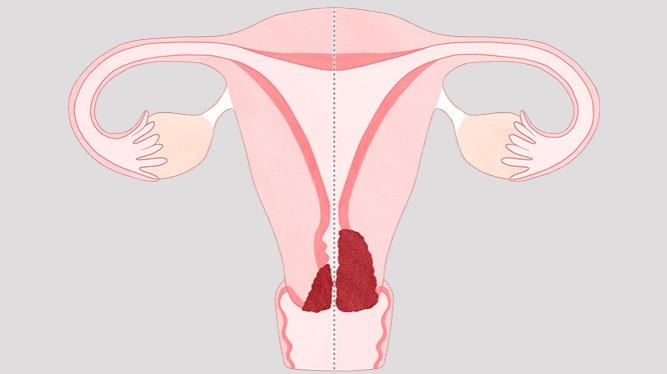
Unusual bleeding, an abnormal smear test or a positive HPV test: this is often how cervical cancer is discovered. It mainly affects younger women, between 35 and 55. When detected early, it can be cured in the vast majority of cases.
Cervical cancer treatment in Turkey is provided by gynecologic oncologists, medical oncologists and radiation oncologists in modern hospitals in Istanbul, Ankara and Izmir, authorized by the Turkish Ministry of Health. Depending on the stage, it relies on surgery, often laparoscopic, or on radiotherapy combined with chemotherapy and brachytherapy. A first opinion can be given remotely based on your biopsy and MRI. For surgery, plan on 7 to 10 days in Turkey. The price is set in a free quote, after your file has been reviewed.
TurquieMed organizes your stay: forwarding your file to the medical team, opinion and detailed quote within 48 hours, airport pick-up, transfers, hotel, interpreter and 7-day-a-week assistance.
To choose well, check that the hospital offers brachytherapy if it may be part of your treatment, and that your file is discussed by a multidisciplinary team.
- First opinion
- Within 48 hours, based on your file
- Treatments
- Surgery, radiotherapy, brachytherapy, chemotherapy
- Stay for surgery
- Usually 7 to 10 days
- Follow-up
- With your gynecologist, back home
How much does cervical cancer treatment cost in Turkey?
The price depends mainly on the stage and the chosen treatment: a cone biopsy or surgery for early cancer costs much less than radiotherapy combined with chemotherapy and brachytherapy, which spans 6 to 8 weeks. For a comparable level of care, the total cost in Turkey is often significantly lower than in Western Europe or North America.
Your free quote is prepared after your file has been reviewed. It details each step: tests, surgery or treatment sessions, hospital stay, medication, hotel, transfers and interpreter. Your flight is usually at your own expense.
Why have cervical cancer treated in Turkey?
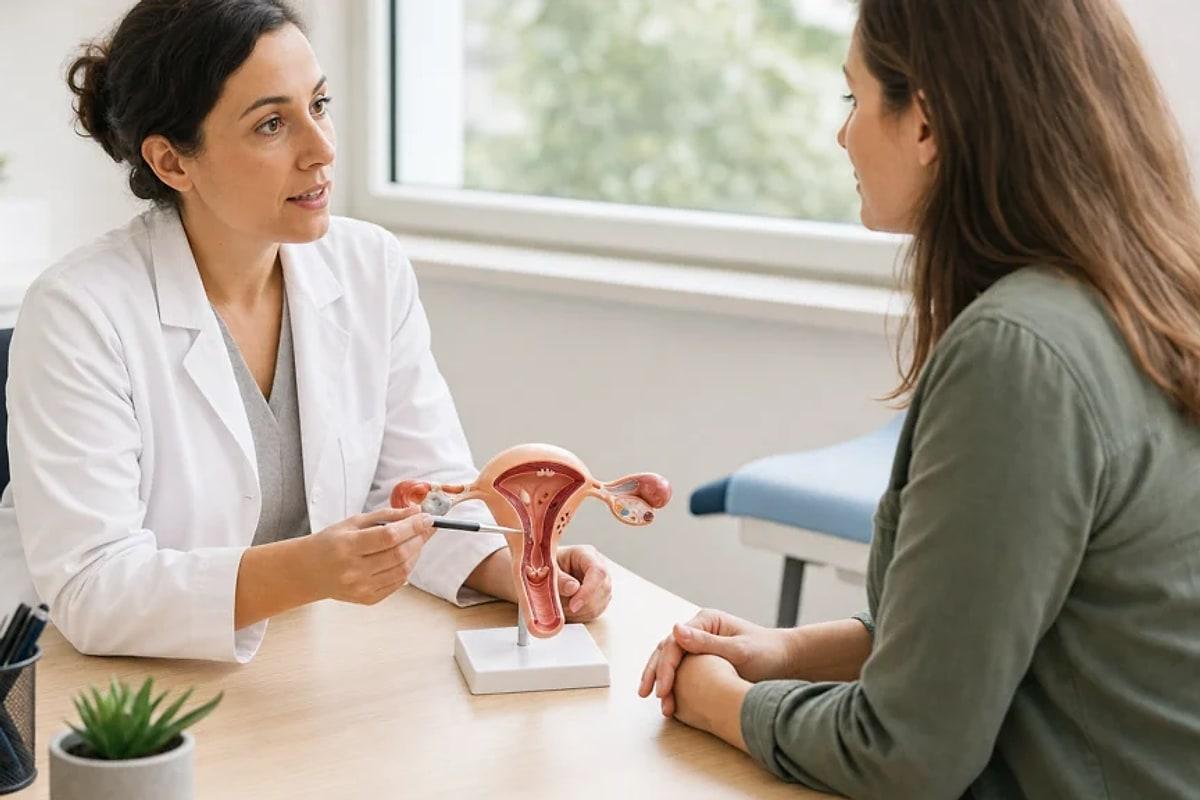
Cervical cancer treatment requires a complete team, able to offer surgery, radiotherapy or brachytherapy depending on the stage, and to carry them out one after the other without delay. Turkey’s major oncology centers have all these skills in one place.
- Specialized gynecologic surgery. Gynecologic oncologists operate by laparoscopy or with a robot and, when possible, offer fertility-sparing surgery to younger women.
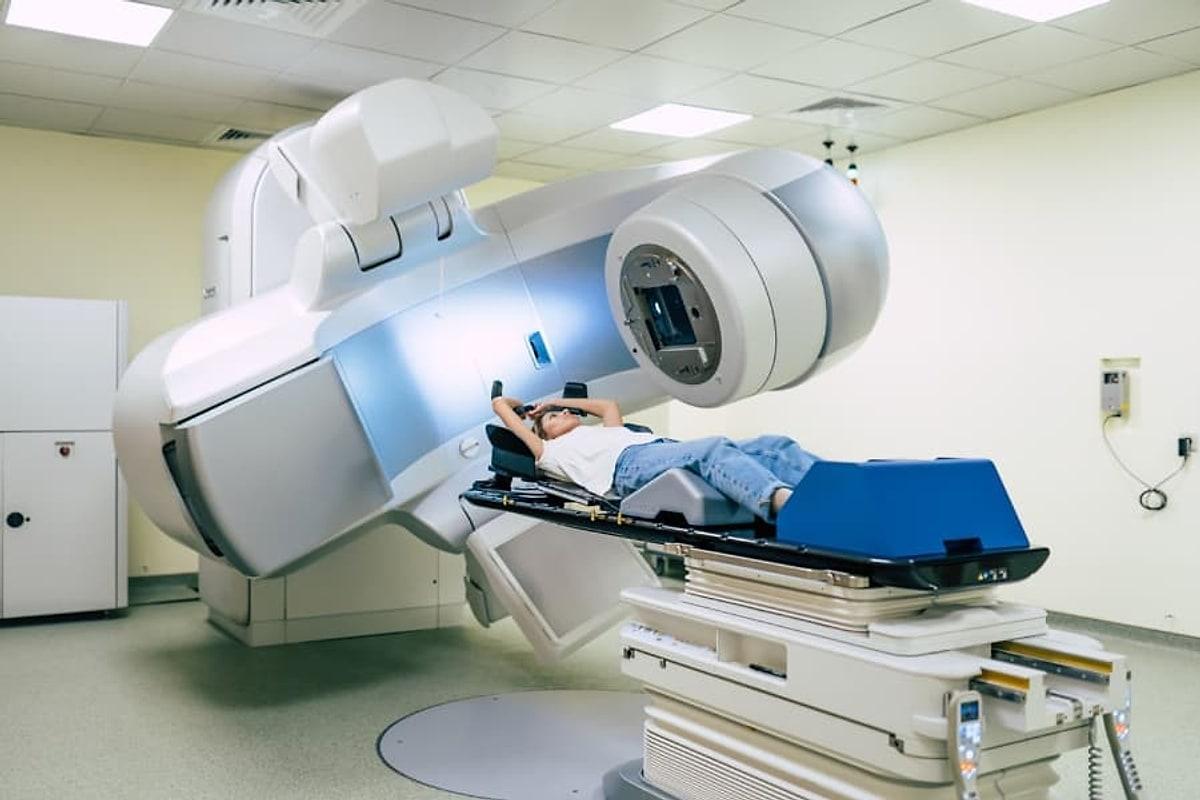
- Precision radiotherapy and brachytherapy. IMRT or VMAT radiotherapy and image-guided brachytherapy treat the tumor at high doses while protecting the bladder and rectum.
- Uninterrupted treatment. Radiotherapy, chemotherapy and brachytherapy must follow each other without a break: Turkish centers deliver them on one site, on a schedule set from the start.
- Treatment chosen according to the stage and your plans. The gynecologic oncologist, radiation oncologist and medical oncologist define the protocol following the European Society of Gynaecological Oncology (ESGO) guidelines, taking into account any wish for pregnancy.
- Complete facilities. Partner hospitals, several of them JCI-accredited, bring together operating rooms, radiotherapy linear accelerators and a brachytherapy unit, so you do not have to change hospital during treatment.
- A stay organized over several weeks. For 6 to 8 weeks of radiotherapy, accommodation and daily transfers to the hospital are planned from the start, with an interpreter at every step.
What are the causes and risk factors of cervical cancer?
Cervical cancer is almost always caused by a persistent infection with certain human papillomaviruses (HPV), transmitted through sexual contact. Other factors encourage this progression:
- lack of regular screening: which prevents lesions from being treated before they become cancer;
- smoking: which helps the virus persist;
- weakened immunity: HIV infection or immunosuppressive treatment;
- long-term use of the pill: linked to a slight increase in risk.
HPV vaccination and regular screening (smear test or HPV test) prevent the vast majority of these cancers.
What are the symptoms of cervical cancer?
In its early stages, it often causes no symptoms. When signs appear, they may include:
- bleeding between periods, after menopause or after sexual intercourse;
- unusual vaginal discharge, sometimes bloodstained or foul-smelling;
- pain during intercourse or in the lower abdomen.
Rest assured: these signs most often have a benign cause, such as an infection or a polyp. Still, see your gynecologist without delay.
Screening
Most countries offer regular screening to women from their twenties to their sixties, with a smear test or an HPV test every few years. The HPV vaccine protects against most cervical cancers.
How is cervical cancer diagnosed?
Colposcopy and biopsy
After an abnormal smear or HPV test, the gynecologist examines the cervix with a magnifying instrument: this is a colposcopy. A small sample is taken, and its analysis confirms the diagnosis.
Staging tests
A pelvic MRI measures the size of the tumor and how far it has spread. A PET-CT or CT scan checks the lymph nodes and other organs.
The stages
The cancer is classified from stage I, limited to the cervix, to stage IV, spread to other organs. The stage guides the whole choice of treatment.
What are the treatments for cervical cancer?
The protocol depends on the stage, the size of the tumor and whether you wish to have children. It is decided by a multidisciplinary tumor board.
Surgery
For very early cancers, a cone biopsy, which removes a small part of the cervix, may be enough. For early stages, the surgeon removes the uterus and nearby tissue, and checks the lymph nodes. For younger women who wish to become pregnant, surgery that preserves the uterus is sometimes possible. The hospital stay usually lasts 2 to 5 days.
Radiotherapy and chemotherapy
For more extensive tumors, the standard treatment combines pelvic radiotherapy with a light weekly chemotherapy, for 5 to 6 weeks. Radiotherapy sessions are short and painless.
Brachytherapy
It completes the radiotherapy: a radioactive source is placed in contact with the tumor to treat it at a high dose while sparing nearby organs. It is done in a few sessions, under anesthesia.
Immunotherapy
For some advanced or recurrent forms, immunotherapy can be combined with chemotherapy.
How does your treatment in Turkey work?
- You send your file. The team reviews it and proposes a protocol with a detailed quote.
- Days 1 and 2: arrival and tests. Airport pick-up, consultation, additional tests if needed.
- The treatment. For surgery: the operation, then 2 to 5 nights in hospital. For radiotherapy: sessions Monday to Friday for 5 to 6 weeks, followed by brachytherapy.
- The return. Check-up, handover of your complete file, then flight home.
For radiotherapy, plan a stay of 6 to 8 weeks: the hotel and daily transfers are organized for you.
Follow-up after treatment
Follow-up combines a gynecological examination every 3 to 6 months for 2 years, then every 6 to 12 months, with an MRI if needed. It takes place close to home, with your gynecologist or oncologist.
Bring back from Turkey the surgical or radiotherapy report, including the doses received, and the pathology report. They will allow your team at home to take over without interruption.
What are the possible side effects?
Current treatments are more precise and better tolerated than before. Most side effects are temporary and can be treated well.
| Effect | After which treatment | Good to know |
|---|---|---|
| Tiredness and pain in the first days | Surgery | They ease within a few days |
| Tiredness, loose stools, frequent need to urinate | Radiotherapy | Relieved by medication, they go away within a few weeks |
| Vaginal dryness | Radiotherapy, brachytherapy | Simple care and dilators help prevent it |
| Early menopause | Radiotherapy, removal of the ovaries | Hormone treatment is often possible: talk to your doctor |
How to choose your hospital and quote?
A low price is not enough. Ask the hospital these questions before committing:
- Is the hospital authorized by the Turkish Ministry of Health to treat international patients?
- Who will perform the operation or radiotherapy, and how experienced are they with this technique?
- Is your file discussed by a multidisciplinary tumor board (gynecologist, oncologist, radiation oncologist)?
- Does the hospital offer brachytherapy, if it is part of your treatment?
- Who takes care of a complication, on site and after your return home?
- What medical follow-up is planned, and with whom?
What a good quote should specify
- The name of the hospital and the doctor
- The tests, anesthesia, hospital stay and medication included
- The number of nights in hospital and at the hotel, and the transfers
- What happens in case of complication or cancellation
- The follow-up offered after your return
Also budget for your flight and follow-up consultations. Planned treatment in Turkey is usually not covered by public health insurance: ask your insurer in writing before committing.
Take time to think, and be wary of any offer that pushes you to decide quickly.
Our partner hospitals in Turkey








Frequently asked questions about cervical cancer treatment in Turkey
How much does cervical cancer treatment cost in Turkey?
The price depends on the stage and the treatment: a cone biopsy or surgery for early cancer costs much less than radiotherapy combined with chemotherapy and brachytherapy. It is usually significantly lower than prices in Western Europe or North America. The exact price appears on your free quote, prepared after your file has been reviewed.
What are the chances of a cure?
They depend mainly on the stage. Detected early, cervical cancer is cured in the vast majority of cases: more than 9 out of 10 women are alive 5 years after diagnosis when the cancer is limited to the cervix. The chances remain good at more advanced stages thanks to the combination of radiotherapy, chemotherapy and brachytherapy.
Will I still be able to have children?
Sometimes, yes. For some very early cancers, a cone biopsy or surgery that preserves the uterus allows a pregnancy afterwards. With other treatments, fertility is usually lost, but egg freezing can sometimes be offered before treatment. Raise it at your very first consultation.
How long do I need to stay in Turkey?
For surgery, plan on 7 to 10 days: tests, the operation, 2 to 5 nights in hospital, then a check-up. For radiotherapy with chemotherapy and brachytherapy, the stay lasts 6 to 8 weeks, as sessions take place every weekday.
Which documents should I send to get an opinion?
Send the biopsy report, the pelvic MRI, the CT or PET-CT scan if one was done, your latest smear or HPV tests, a recent blood test, your medical history and current treatments. With a complete file, the team can usually give a first opinion within a few days.
Can part of the treatment be done in my home country?
Yes. For example, surgery can be done in Turkey and follow-up close to home. For radiotherapy, it is better to complete the whole protocol in one place, because radiotherapy and brachytherapy must follow each other without interruption. Prepare this arrangement with your oncologist before you travel.
Is treatment in Turkey covered by insurance?
Planned treatment in Turkey is usually not covered by public health insurance systems, which generally only reimburse urgent and unforeseen care abroad. Some private insurers and international health plans do cover treatment abroad: ask your insurer in writing before committing, and keep all your invoices and medical reports.
Request a free medical opinion and quote
Send us your complete medical file: reports, imaging and test results. The medical team will review it, and you will receive a detailed medical opinion and an estimated quote.