Brain cancer treatment in Turkey: advanced neurosurgery and radiosurgery
Types of tumor, symptoms, diagnosis, neurosurgery, radiosurgery, radiotherapy and care in Turkey: everything you need to know.
What does brain cancer treatment in Turkey involve?
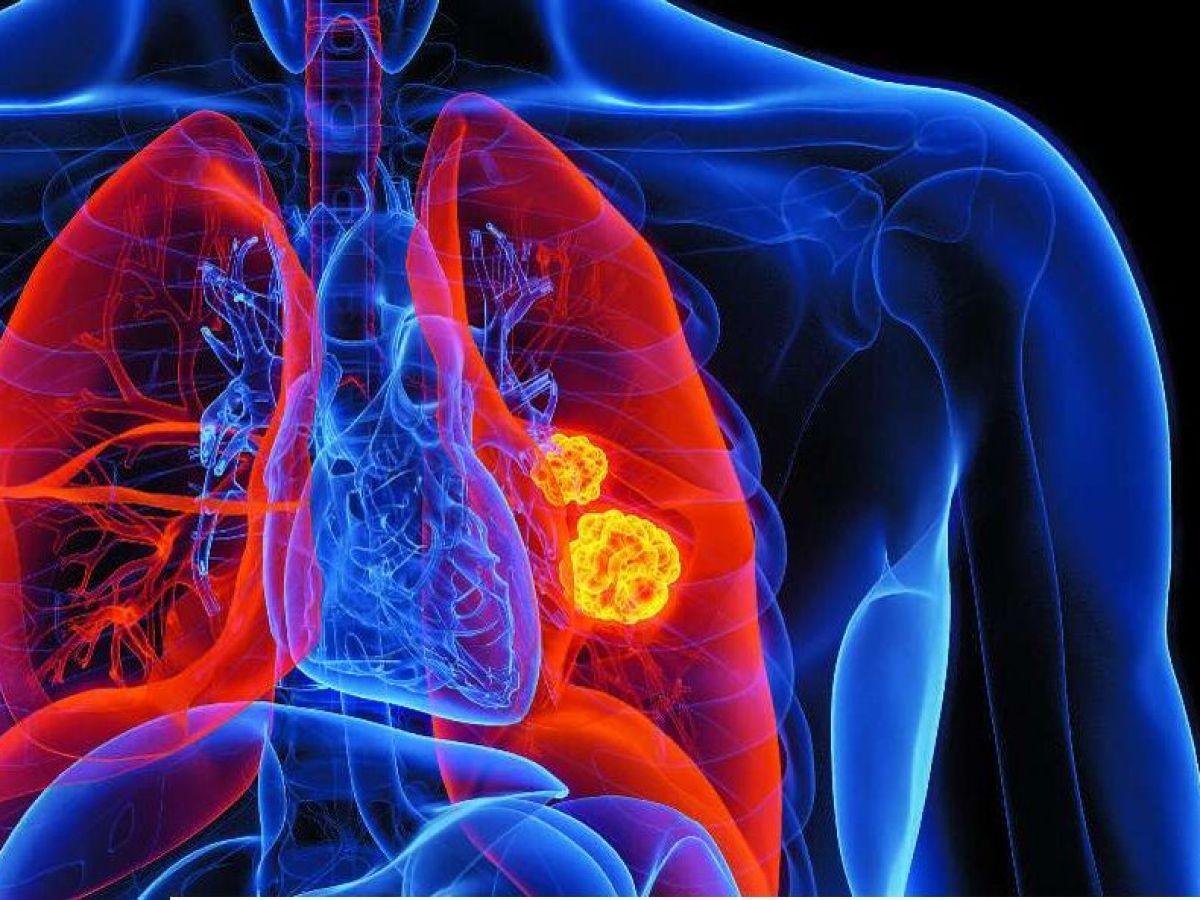
The term “brain cancer” covers very different tumors: gliomas, including glioblastoma, which start in the brain, meningiomas, which are often benign, and metastases from another cancer. Each has its own treatment, and all require a highly specialized neurosurgery and radiotherapy team.
Brain cancer treatment in Turkey is provided by neurosurgeons, radiation oncologists and neuro-oncologists in centers in Istanbul, Ankara and Izmir, authorized by the Turkish Ministry of Health. It relies on neuronavigation-guided surgery, sometimes performed awake, on radiosurgery (Gamma Knife, CyberKnife) for small tumors, and on radiotherapy combined with chemotherapy. The stay for surgery usually lasts 10 to 14 days. The price is set in a free quote.
TurquieMed organizes your stay: forwarding your file to the oncology team, opinion and detailed quote within 48 hours, airport pick-up, transfers, hotel, interpreter and 7-day-a-week assistance.
- First opinion
- Within 48 hours, based on the MRI
- Treatments
- Neurosurgery, radiosurgery, radiotherapy, chemotherapy
- Stay for surgery
- Usually 10 to 14 days
- Radiosurgery
- Often in a single session
How much does brain cancer treatment cost in Turkey?
The price depends on the treatment: a radiosurgery session, neurosurgery with several days in hospital and 6 weeks of radiotherapy do not cost the same. For a comparable level of care, the total cost in Turkey is often significantly lower than in Western Europe or North America.
Your free quote is prepared after your MRI has been reviewed and details the procedure, hospital stay, accommodation, transfers and interpreter.
Why have a brain tumor treated in Turkey?
Operating on a brain tumor means removing as much tumor as possible while protecting essential functions. Turkey’s major centers have the equipment that makes this possible, and many radiosurgery machines.
- Image-guided neurosurgery. Neuronavigation, a true GPS for the brain, and sometimes intraoperative MRI, guide the surgeon to the millimeter.
- Awake surgery. For tumors close to the language or movement areas, the operation can be done partly awake, to protect these functions.
- Gamma Knife and CyberKnife radiosurgery. Many Turkish centers are equipped with it: it treats small tumors and metastases in one or a few sessions, without opening the skull.
- Molecular diagnosis of the tumor. Analysis (IDH, MGMT, 1p/19q) specifies the type of glioma and guides radiotherapy and chemotherapy.
- A neuro-oncology team. The neurosurgeon, radiation oncologist and oncologist decide together, following European guidelines.
What are the causes and risk factors of brain tumors?
In the vast majority of cases, no specific cause is found for a brain tumor. A few factors are however known:
- previous radiotherapy to the head: particularly in childhood;
- rare genetic conditions: such as neurofibromatosis or Li-Fraumeni syndrome;
- age: some tumors, such as glioblastoma, are more common after 50;
- another cancer: brain metastases from lung cancer, breast cancer or melanoma are more common than tumors that start in the brain.
To date, no link has been proven with mobile phone use. A brain tumor is not contagious and, apart from rare genetic forms, is not hereditary.
What are the symptoms of a brain tumor?
Symptoms depend on the size and position of the tumor. They may include:
- new headaches that get worse, especially in the morning, sometimes with vomiting;
- a seizure, even a single one;
- weakness or numbness of an arm or leg;
- speech, vision or balance problems;
- changes in behavior or memory problems.
Headaches almost always have another cause. A seizure or a new neurological problem, however, should prompt a quick consultation.
How is a brain tumor diagnosed?
Brain MRI
This is the key examination: it shows the tumor, its size and position. Special sequences (perfusion, spectroscopy, functional MRI) help prepare the operation.
Biopsy or surgery
Analysis of the tumor, obtained during surgery or by biopsy, specifies its type and grade, from 1 (low aggressiveness) to 4 (glioblastoma).
Staging
If a metastasis is suspected, a body CT scan looks for the original cancer.
What are the grades of brain tumors and the chances of cure?
For brain tumors, doctors do not talk about stage but about grade, from 1 to 4 according to the WHO classification. It is given by analysing the tumor.
| Grade | Behaviour | Examples |
|---|---|---|
| Grade 1 | Slow-growing, often curable by surgery alone | Most meningiomas, some childhood tumors |
| Grade 2 | Slow-growing, but can come back or progress | Some gliomas (astrocytoma, oligodendroglioma) |
| Grade 3 | Malignant tumor, faster-growing | High-grade gliomas |
| Grade 4 | Very aggressive malignant tumor | Glioblastoma |
The outlook depends on the grade, the type of tumor, its molecular features and the quality of surgery. Grade 1 tumors are often cured; for higher grades, treatment aims to control the disease for as long as possible.
What are the treatments for brain cancer?
Treatment depends on the type of tumor, its position and your neurological condition. It is decided by a multidisciplinary neuro-oncology board.
Neurosurgery
Removing as much tumor as possible, without damaging essential areas, is often the first step. For a meningioma, it can be enough to cure it.
Radiosurgery
Gamma Knife or CyberKnife focuses a high dose of radiation on a small tumor or metastasis, in one to five sessions, without incision.
Radiotherapy and chemotherapy
For glioblastoma, surgery is followed by 6 weeks of radiotherapy combined with chemotherapy in tablet form (temozolomide), then several months of chemotherapy alone.
Brain metastases
They are treated by radiosurgery, surgery or radiotherapy, alongside treatment of the original cancer.
How does your care in Turkey work?
- You send your file. Your complete medical file: brain MRI with the images, reports and tumor analysis if available. You receive an opinion and a quote.
- Arrival and tests. Consultation with the neurosurgeon or radiation oncologist, planning MRI.
- The treatment. Radiosurgery in one to a few sessions, or neurosurgery followed by 5 to 7 nights in hospital.
- The return. After the check-up, with a complete report; radiotherapy and chemotherapy can continue near home.
Follow-up after treatment
Follow-up relies on regular brain MRIs, often every 2 to 3 months at first, and neurology consultations. Rehabilitation (physiotherapy, speech therapy) can help recovery after surgery. Follow-up takes place close to home, with your neuro-oncologist.
What are the possible side effects?
Current techniques clearly reduce the risks; side effects are closely monitored by the team.
| Effect | After which treatment | Good to know |
|---|---|---|
| Headaches, tiredness | Surgery | Ease within a few days to a few weeks |
| Temporary weakness or speech difficulty | Surgery | Often improves with rehabilitation |
| Tiredness, localized hair loss | Radiotherapy | Usually temporary |
| Tiredness, nausea, low blood counts | Chemotherapy | Monitored with blood tests |
How to choose your hospital and quote?
A low price is not enough. Ask the hospital these questions before committing:
- Is the hospital authorized by the Turkish Ministry of Health to treat international patients?
- Who will perform the procedure, and how experienced are they with this technique?
- Does the center have neuronavigation and a radiosurgery machine (Gamma Knife or CyberKnife)?
- Is molecular analysis of the tumor planned to guide treatment?
- Who takes care of a complication, on site and after your return home?
- What medical follow-up is planned, and with whom?
What a good quote should specify
- The name of the hospital and the doctor
- The tests, anesthesia, hospital stay and medication included
- The number of nights in hospital and at the hotel, and the transfers
- What happens in case of complication or cancellation
- The follow-up offered after your return
Also budget for your flight and follow-up consultations. Planned treatment in Turkey is usually not covered by public health insurance: ask your insurer in writing before committing.
Take time to think, and be wary of any offer that pushes you to decide quickly.
Our partner hospitals in Turkey






Frequently asked questions about brain cancer in Turkey
How much does brain tumor treatment cost in Turkey?
The price depends on the treatment: a radiosurgery session, neurosurgery or 6 weeks of radiotherapy do not cost the same. It is usually significantly lower than prices in Western Europe or North America. The exact price appears on your free quote.
Are all brain tumors cancers?
No. Many brain tumors, like most meningiomas, are benign and can be cured by surgery or radiosurgery. Others, like gliomas, are cancers that require complete treatment.
What is the Gamma Knife?
It is a radiosurgery machine that focuses many radiation beams on a small tumor, with very high precision, usually in a single session, without opening the skull. The CyberKnife works on a similar principle.
How long do I need to stay in Turkey?
A few days for radiosurgery, and usually 10 to 14 days for neurosurgery, including assessment, hospital stay and the check-up before returning home.
Which documents should I send to get an opinion?
Send your brain MRI with the images (CD or download link), the reports, the tumor analysis if done, your current treatments and medical history.
Can I fly after brain surgery?
Usually yes, after the check-up and with the neurosurgeon’s approval, often one to two weeks after the operation.
Is treatment in Turkey covered by insurance?
Planned treatment in Turkey is usually not covered by public health insurance systems, which generally only reimburse urgent and unforeseen care abroad. Some private insurers and international health plans do cover treatment abroad: ask your insurer in writing before committing, and keep all your invoices and medical reports.
Request a free medical opinion and quote
Send us your complete medical file: reports, imaging and test results. The medical team will review it, and you will receive a detailed medical opinion and an estimated quote.