Breast cancer treatment in Turkey: qualified doctors, modern technology and affordable prices
More and more patients choose Turkey for breast cancer treatment: specialized teams, modern hospitals, advanced technology and lower costs than in Western Europe. Treatments, prices and the patient journey: everything you need to know.
What does breast cancer treatment in Turkey involve?
Breast cancer is the most common cancer in women, but it is also one of the most treatable: when detected early, it is cured in the vast majority of cases.
Breast cancer treatment in Turkey is for patients who want an opinion or treatment in modern oncology centers in Istanbul, Ankara or Izmir, in hospitals authorized by the Turkish Ministry of Health. Depending on the type and stage of the cancer, treatment combines surgery (lumpectomy or mastectomy), radiotherapy, chemotherapy, hormone therapy or targeted therapies, decided by a multidisciplinary tumor board. A first opinion can be given remotely, based on your biopsy report, imaging and tests. For surgery, plan on 10 to 14 days in Turkey. The price is set in a free quote, after your file has been reviewed.
TurquieMed organizes your stay: forwarding your file to the oncology team, opinion and detailed quote within 48 hours, airport pick-up, transfers, hotel, interpreter and 7-day-a-week assistance.
To choose well, check the team’s experience with breast cancer, make sure your case is discussed by a multidisciplinary tumor board, and plan your follow-up care with your oncologist at home from the start.
- First opinion
- Within 48 hours, based on your file
- Treatments
- Surgery, radiotherapy, chemotherapy, hormone therapy
- Stay for surgery
- Usually 10 to 14 days
- Follow-up
- With your oncologist, back home
How much does breast cancer treatment cost in Turkey?
The price depends on the stage of the disease, the type of tumor and the treatments needed. Surgery alone does not cost the same as a complete treatment with chemotherapy, radiotherapy and targeted therapy. For comparable quality of care, the total cost in Turkey is often much lower than in Western Europe.
This is why a reliable price can only be given after your file has been reviewed. Your free quote details each step separately: tests, surgery, hospital stay, tumor analysis, each chemotherapy cycle, radiotherapy, medication, hotel, transfers and interpreter. Flights are usually at your own expense.
Why have breast cancer treatment in Turkey?

Breast cancer treatment often involves several specialists and several steps: surgery, radiotherapy and medical treatments. Its quality depends on team coordination and access to current techniques, two strengths of Turkey’s leading oncology centers.
- A dedicated breast tumor board. Your file is reviewed by a specialized committee of breast surgeon, oncologist, radiation oncologist, radiologist and pathologist, who set the treatment plan according to ESMO and NCCN guidelines.
- Breast-conserving surgery. Whenever possible, surgeons favor breast-conserving surgery and the sentinel lymph node technique, and offer breast reconstruction during the same operation.
- Treatment tailored to your tumor. Breast MRI, PET-CT and genomic tests help tailor treatment to the tumor profile, with access to anti-HER2 targeted therapies and immunotherapy when indicated.
- High-precision radiotherapy. IMRT, VMAT and image-guided radiotherapy protect the heart and lungs, and allow short treatment schedules for many patients.
- Comprehensive patient support. Leading centers offer supportive care alongside treatment: psycho-oncology, nutrition, arm physiotherapy and fertility preservation advice.
- A schedule designed for international patients. Surgery can be done in Turkey, then radiotherapy and hormone therapy continued at home, with a complete report handed to you before you leave.
What are the causes and risk factors of breast cancer?
Breast cancer is the most common cancer in women. It has no single cause, but several factors increase the risk:
- age: nearly 8 out of 10 cases occur after 50;
- a family history: of breast or ovarian cancer, especially in close relatives;
- a genetic mutation: particularly in the BRCA1 and BRCA2 genes;
- exposure to hormones: early periods, late menopause, late first pregnancy or menopausal hormone therapy;
- lifestyle: alcohol, excess weight after menopause and lack of physical activity;
- chest radiotherapy: received in childhood or as a young adult.
Breastfeeding and physical activity reduce the risk. Many countries offer a screening mammogram every 2 years from age 50, and earlier for women at higher risk.
What are the symptoms of breast cancer?
In its early stages, breast cancer often causes no symptoms, which is why screening is so important. When signs appear, the most common are:
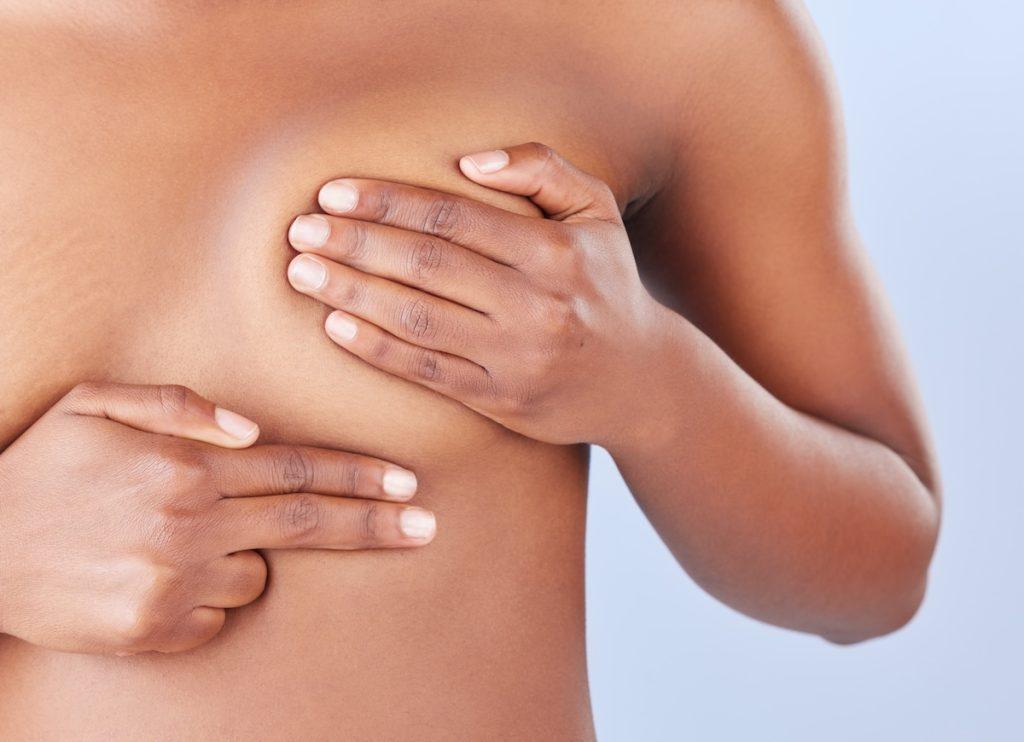
- a lump in the breast, often painless, hard and with irregular edges;
- a lump under the arm, in the armpit, which may be a lymph node;
- a change in the skin of the breast: redness, dimpling or an “orange peel” appearance;
- a change in the nipple: a nipple that turns inward, crusting, or discharge, especially if it contains blood;
- a change in the size or shape of a breast that was not there before.
Rest assured: most breast lumps are not cancer, but cysts or benign tumors. Still, see your doctor or gynecologist within a few days: only tests can tell.
Screening
Many countries offer screening mammograms every 2 years to women aged 50 to 74, and sometimes from 40. If you have a family history of breast or ovarian cancer, earlier and more frequent screening may be recommended: talk to your doctor.
How is breast cancer diagnosed?
Tests and biopsy
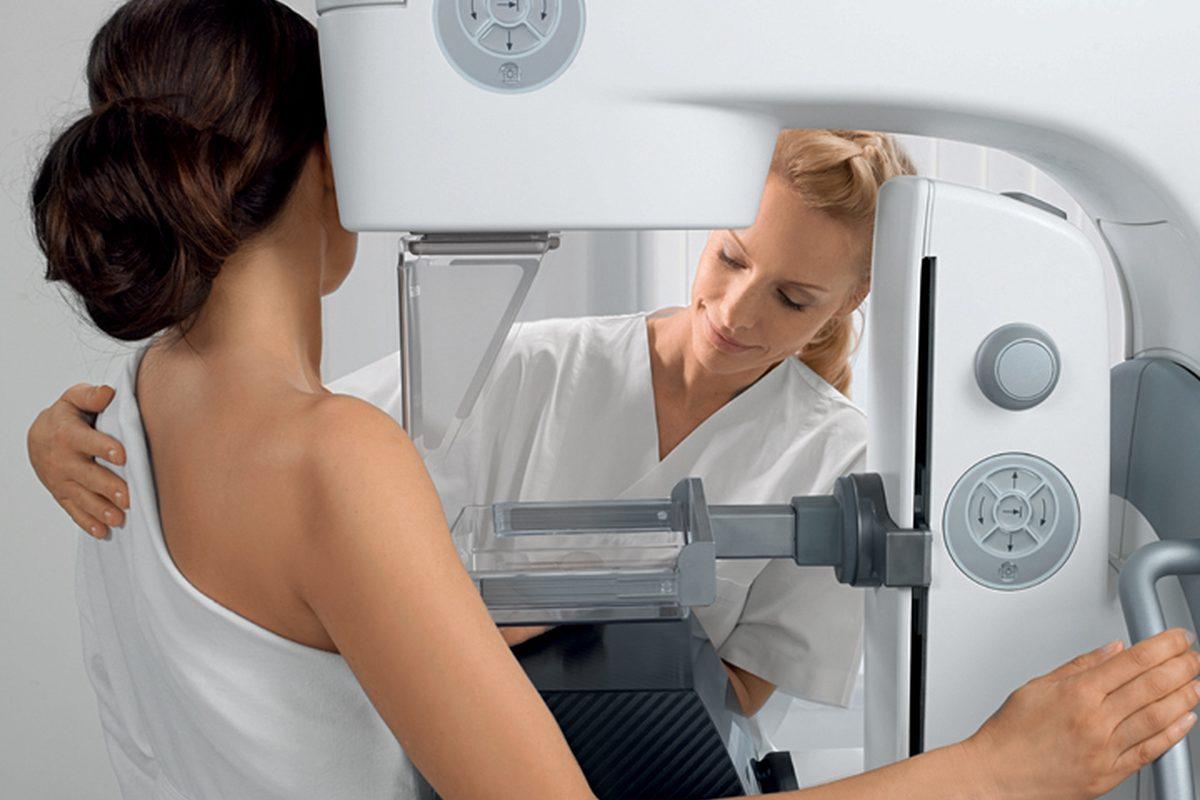
Diagnosis relies on a clinical examination, mammogram, ultrasound and sometimes breast MRI. A biopsy, a sample taken from the suspicious area, confirms the diagnosis and identifies the type of tumor.
The type of tumor
Analysis of the biopsy determines the tumor’s “receptors”, which guide the choice of treatment:
| Type | What it means | Treatments often used |
|---|---|---|
| Hormone-sensitive (HR+) | The tumor is stimulated by female hormones | Hormone therapy |
| HER2-positive | The tumor produces a lot of HER2 protein | Anti-HER2 targeted therapies |
| Triple-negative | No hormone receptors and no HER2 | Chemotherapy, sometimes immunotherapy |
Staging tests
Depending on the size of the tumor, other tests (blood tests, CT scan, bone scan or PET-CT) check whether the cancer has spread. The disease is classified from stage 0 (in situ) to stage IV (metastatic): the stage guides the choice and intensity of treatment.
What are the treatments for breast cancer?
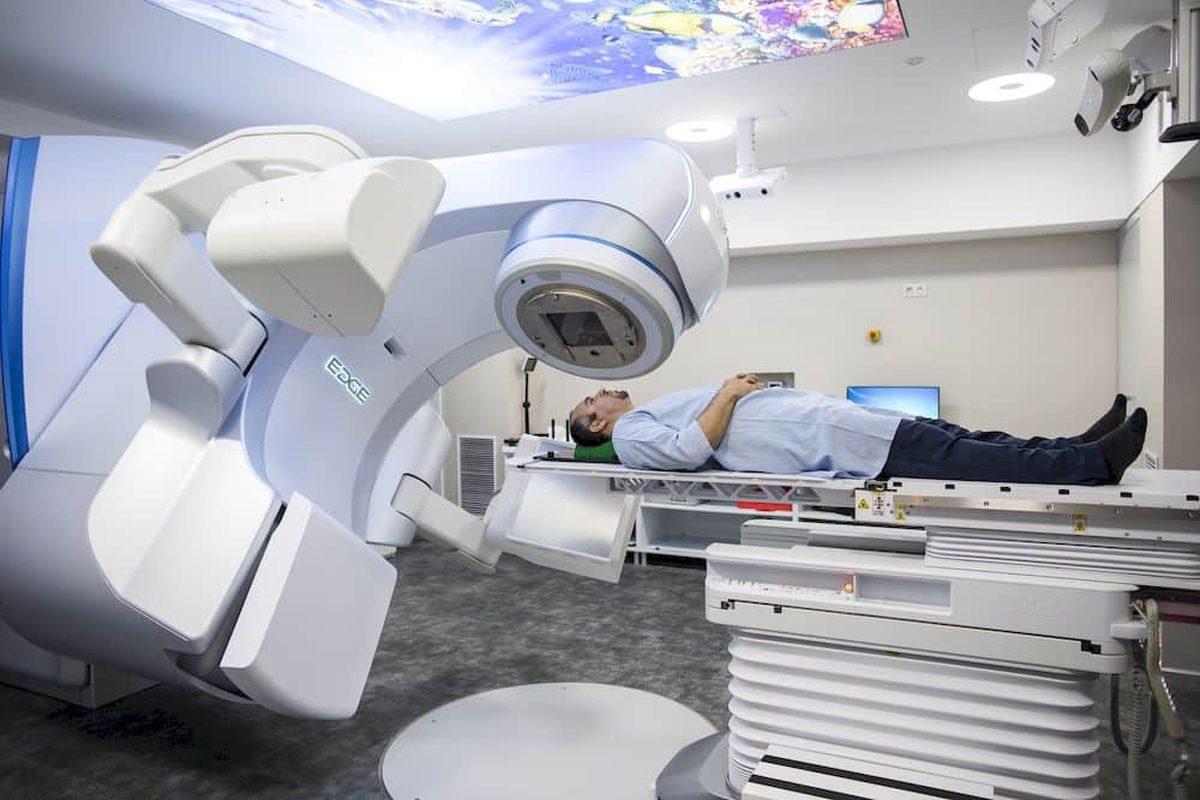
The treatment plan depends on the type of tumor, its size, lymph node involvement, your age and your wishes, including a wish to have children. It is decided by a multidisciplinary tumor board of surgeon, oncologist, radiation oncologist and radiologist. You can always ask questions and request a second opinion.
Surgery
It is the main treatment for localized cancers. In about 7 out of 10 cases, the surgeon removes only the tumor and keeps the breast: this is a lumpectomy. Otherwise, the whole breast is removed: this is a mastectomy. The lymph nodes in the armpit are checked, usually with the sentinel lymph node technique. The hospital stay lasts 1 to 4 days.
Radiotherapy
It destroys any remaining cancer cells. It is almost always given after a lumpectomy, and sometimes after a mastectomy. Sessions are short and painless, usually Monday to Friday for 1 to 5 weeks depending on the schedule.
Chemotherapy
Not all patients need it. Given before surgery, it shrinks the tumor; after surgery, it lowers the risk of recurrence. It usually lasts 4 to 6 months, with infusions every 1 to 3 weeks.
Hormone therapy
About 3 out of 4 breast cancers are hormone-sensitive. They are treated with tablets taken every day for 5 to 10 years, which greatly reduce the risk of recurrence. This treatment continues at home.
Targeted therapies and immunotherapy
For HER2-positive cancers, about 15% of cases, a targeted therapy such as trastuzumab is added for 1 year and greatly improves results. Other targeted treatments exist for some hormone-sensitive cancers and in case of a BRCA mutation. Immunotherapy is used for some triple-negative cancers.
Breast reconstruction
After a mastectomy, reconstruction is never mandatory. It can be done during the same operation or later, with an implant or with your own tissue. Discuss it with your surgeon at the first consultation.
Read also our guides to colon cancer and prostate cancer treatment in Turkey.
How does your treatment in Turkey work?

- You send your file. Your complete medical file: imaging and pathology results.
- The team reviews it. An oncologist proposes a treatment plan and you receive a detailed quote, with no commitment.
- You plan your trip. We book your hotel and meet you at the airport, with an interpreter.
- Tests on site. Consultation with the team, additional tests if needed and confirmation of the plan.
- Treatment. Surgery, radiotherapy or chemotherapy depending on your file, with daily follow-up.
- Going home. You leave with your complete file, and your oncologist at home takes over.
Many patients have the medical opinion and surgery in Turkey, then continue radiotherapy, chemotherapy or hormone therapy at home. This is planned with your oncologist before you leave.
Follow-up after treatment
Monitoring tests
Follow-up includes a consultation every 6 months for 5 years, then once a year, and a mammogram every year. It takes place at home, with your doctor and your oncologist.
Daily life
Regular, adapted physical activity reduces fatigue and the risk of recurrence. Psychologists, patient associations and supportive care can help you and your loved ones. Time off work is often needed during treatment.
Your medical file
Bring back from Turkey the operative report, the final pathology report, and the chemotherapy and radiotherapy protocols if any. They will allow your team to take over without interruption.
What are the possible side effects?
Breast cancer treatments are better tolerated today than in the past. Most side effects are temporary, and there are solutions for each of them.
| Effect | After which treatment | What can help |
|---|---|---|
| Fatigue | All | Adapted physical activity, rest |
| Nausea | Chemotherapy | Preventive medication |
| Hair loss | Chemotherapy | Scalp cooling, wig; hair grows back |
| Skin redness | Radiotherapy | Suitable creams, gentle skin care |
| Arm swelling | Lymph node surgery | Physiotherapy, compression sleeve |
| Hot flushes | Hormone therapy | Physical activity, treatment adjustment |
If you wish to have children, fertility preservation can be offered before chemotherapy: raise the subject from the start.
How to choose the right hospital and quote?
A low price is not enough. Ask the hospital these questions before committing:
- Is the hospital authorized by the Turkish Ministry of Health to treat international patients?
- Who will perform the operation, and how experienced are they with this technique?
- Is your file discussed by a multidisciplinary tumor board (surgeon, oncologist, radiation oncologist)?
- Is the surgeon specialized in breast surgery, and is reconstruction possible if needed?
- Who takes care of a complication, on site and after your return home?
- What medical follow-up is planned, and with whom?
What a good quote should specify
- The name of the hospital and the doctor
- The tests, anesthesia, hospital stay and medication included
- The number of nights in hospital and at the hotel, and the transfers
- What happens in case of complication or cancellation
- The follow-up offered after your return
Also budget for your flight and follow-up consultations. Planned treatment in Turkey is usually not covered by public health insurance: ask your insurer in writing before committing.
Take time to think, and be wary of any offer that pushes you to decide quickly.
Our partner hospitals in Turkey






Frequently asked questions about breast cancer treatment in Turkey
What are the chances of curing breast cancer?
Breast cancer is one of the most treatable cancers. Overall, close to 9 out of 10 women are still alive 5 years after diagnosis in Europe. When the cancer is found early, limited to the breast and without lymph node involvement, more than 95% of patients are alive at 5 years. The outlook also depends on the type of tumor: this is why a complete biopsy report is essential to give you a precise answer.
How long do I need to stay in Turkey?
For surgery, plan on 10 to 14 days: 1 to 2 days in hospital for a lumpectomy, 2 to 4 days for a mastectomy, more if reconstruction is done at the same time, then drain removal and the tumor analysis results. Radiotherapy requires a stay of 1 to 5 weeks. Chemotherapy lasts 4 to 6 months: it is given over several trips or at home.
What documents should I send for a medical opinion?
The most important document is the biopsy report: it shows the type of cancer, its grade, hormone receptors, HER2 status and Ki67. Also send your mammogram, ultrasound and MRI reports, with the images if possible, staging tests if done, recent blood tests, your medical history and your medication. With a complete file, the team can usually give a first opinion within a few days.
How much does breast cancer treatment cost in Turkey?
The price depends on the stage, the type of tumor and the treatments needed: surgery alone costs much less than a complete treatment with chemotherapy, radiotherapy and targeted therapy. It is usually much lower than in Western Europe. The exact price is in your free quote, prepared after your file has been reviewed, which details each step separately.
Can breast reconstruction be done in Turkey?
Yes. Reconstruction can be done during the mastectomy or later, with an implant or with your own tissue taken from the abdomen or back. If radiotherapy is planned after surgery, reconstruction is often postponed by 6 to 12 months. It is usually done in 2 or 3 stages, which means several trips: ask for this schedule before starting.
Can I continue my treatment at home after surgery in Turkey?
Yes, this is a common option. Surgery is done in Turkey, then radiotherapy, chemotherapy or hormone therapy continue at home with your oncologist, based on the operative report and tumor analysis given to you before you leave. Plan this with your oncologist before you travel.
Is treatment in Turkey covered by insurance?
Planned treatment in Turkey is usually not covered by public health insurance systems, which generally only reimburse urgent and unforeseen care abroad. Some private insurers and international health plans do cover treatment abroad: ask your insurer in writing before committing, and keep all your invoices and medical reports.
Request a free medical opinion and quote
Send us your complete medical file: reports, imaging and test results. The medical team will review it, and you will receive a detailed medical opinion and an estimated quote.