
Duodenal switch in Turkey: the most powerful obesity surgery
Everything you need to know about biliopancreatic diversion with duodenal switch in Turkey: who it is for, how the operation works, results, lifelong vitamins, risks and price.
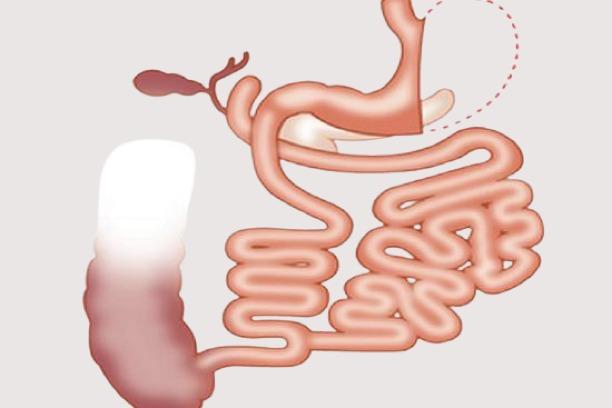
What is a duodenal switch in Turkey?
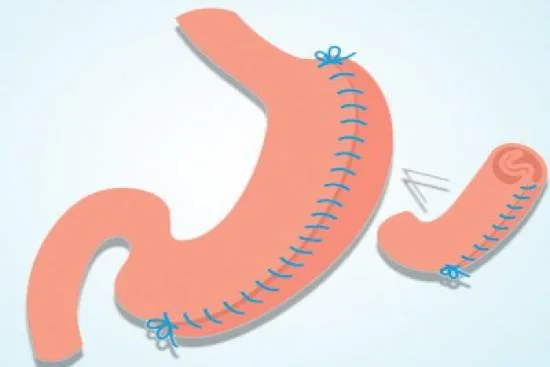
Biliopancreatic diversion with duodenal switch (BPD-DS), often simply called a “duodenal switch”, is the obesity surgery that leads to the greatest weight loss. It combines two steps: a gastric sleeve, which reduces the stomach, and an intestinal bypass, which strongly reduces the absorption of fat and calories.
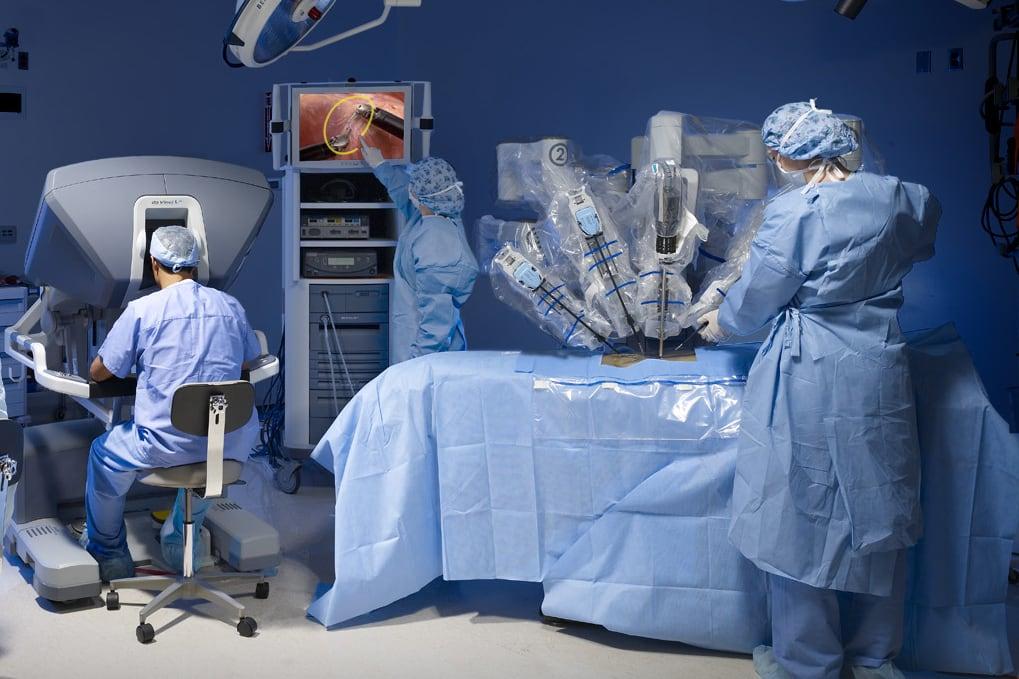
It is mainly intended for people with very severe obesity (BMI of 50 or more), type 2 diabetes that is hard to control, or after a sleeve that did not give the expected result. The operation is performed by laparoscopy, under general anesthesia, in 3 to 4 hours. Plan 8 to 10 days in Turkey, including 3 to 4 nights in hospital. In Turkey, the price is usually $5,800 to $9,200.
TurquieMed organizes your stay: review of your file by a surgeon, opinion and detailed quote within 48 hours, airport pick-up, transfers, hotel, interpreter and 7-day-a-week assistance.
It is a powerful but demanding operation: it requires lifelong vitamins and blood tests. It should be performed by a surgeon who does it regularly, in a hospital with an intensive care unit.
- Technique
- Laparoscopy, with small incisions
- Anesthesia
- General, 3 to 4 hours
- Hospital stay
- Usually 3 to 4 nights
- Follow-up
- Medical, nutritional and vitamins, for life
How much does a duodenal switch cost in Turkey?
In Turkey, a duodenal switch usually costs $5,800 to $9,200. The price depends on the technique (classic duodenal switch or SADI-S), whether the operation is done in one or two stages, the hospital, the surgeon, the pre-operative tests and the number of nights in hospital and at the hotel. It is slightly higher than the price of a gastric bypass, as the operation takes longer.
Your free quote details the procedure, tests, hospital stay, hotel, transfers and interpreter. Flights and follow-up after your return are usually at your own expense.
Why have a duodenal switch in Turkey?

The duodenal switch is the most technical obesity surgery. Few surgeons perform it, and it can be hard to access quickly. Major Turkish bariatric centers perform it regularly.
1. Highly experienced bariatric surgeons
Turkish reference centers operate on obesity every day, including complex procedures such as the duodenal switch and revisions after a sleeve. A team that performs this operation often has fewer complications: this is the first safety criterion.
2. The right technique for you
- Classic duodenal switch, with two intestinal connections;
- SADI-S, a simplified version with a single connection;
- Two-stage surgery (sleeve first, switch later) when weight is very high.
3. Full tests before surgery
- Blood tests, including vitamins and proteins, heart and lung check-up;
- Gastroscopy and ultrasound of the liver and gallbladder;
- Consultations with the surgeon, anesthetist and dietitian.
4. Close monitoring after surgery
Partner hospitals have an intensive care unit and a team used to caring for patients after major digestive surgery, day and night.
5. A vitamin program from discharge
You leave with your lifelong supplement program, your protein targets and your blood test schedule, to be done in Turkey or near home. With a duodenal switch, this follow-up is essential.
6. A clear price, known in advance
Expect $5,800 to $9,200 in general. Your quote details the tests, procedure, hospital stay, hotel, transfers and interpreter: you know the total cost before you leave.
7. Support before, during and after
Plan 8 to 10 days in Turkey. Our team is available 24/7 during your stay and after your return, and remote dietary follow-up helps you adopt the right habits.
| In Turkey with TurquieMed | Often elsewhere | |
|---|---|---|
| First opinion | Within 48 hours, free, based on your file | Several weeks for an appointment |
| Access to the procedure | Centers that perform the duodenal switch regularly | Few surgeons, long wait |
| After surgery | Vitamin program and follow-up schedule given at discharge | Depends on the hospital |
| Price | $5,800 to $9,200, detailed quote | Often two to three times higher |
| Support | Hotel, VIP transfers, interpreter, 24/7 assistance | To organize yourself |
How does a duodenal switch work?
A smaller stomach, like a sleeve
The surgeon removes about three quarters of the stomach, which becomes a tube. The pylorus, the valve that controls the stomach outlet, is preserved: food passes gradually, which limits dumping syndrome.
An intestinal bypass
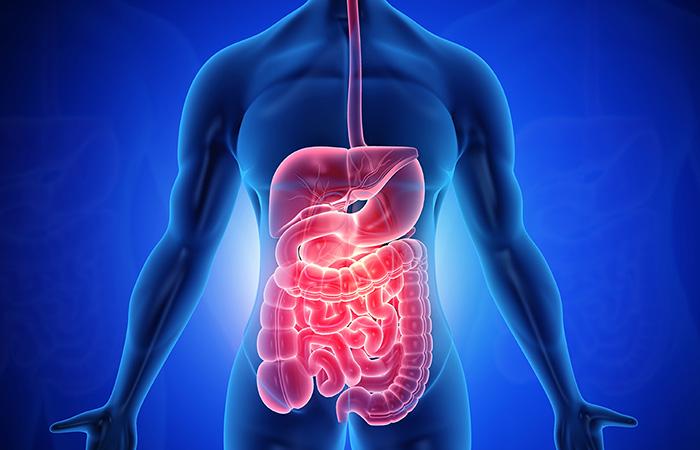
Just after the stomach, the duodenum is divided and connected to the last part of the small intestine. Food only meets bile and pancreatic juices, which digest fat, over a short length of intestine: a large part of the fat and calories is no longer absorbed.
A very strong effect on diabetes
The duodenal switch strongly changes the hormones that control hunger and blood sugar. It is the procedure with the best results on type 2 diabetes and cholesterol.
Classic duodenal switch or SADI-S
The classic duodenal switch has two intestinal connections. SADI-S, a more recent version, has only one and keeps a longer length of intestine for absorption, which slightly reduces deficiencies. The surgeon will tell you which technique suits your file.
In one or two stages
When weight is very high, the operation can be done in two stages: a sleeve first, then the duodenal switch 12 to 18 months later, once part of the weight has been lost. This is safer for some patients.
Duodenal switch, bypass or sleeve: what is the difference?
The duodenal switch leads to more weight loss than the sleeve and the bypass, and has a stronger effect on diabetes. In return, it requires the strictest follow-up: vitamins, protein and blood tests for life. This is why it is reserved for situations where other techniques may not be enough.
| Criterion | Duodenal switch | Gastric bypass | Sleeve |
|---|---|---|---|
| Average weight loss | 35 to 45% of body weight | 30 to 35% of body weight | 25 to 30% of body weight |
| Effect on diabetes | The strongest | Strong | Good |
| Length of surgery | 3 to 4 hours | 2 to 3 hours | 1 to 2 hours |
| Hospital stay | 3 to 4 nights | 2 to 3 nights | 2 to 3 nights |
| Vitamins | For life, in high doses | For life | Often for life |
| Main indication | BMI of 50 or more, severe diabetes, failed sleeve | BMI of 40 or more, diabetes, reflux | BMI of 40 or more, first-line |
These figures are indicative and vary between patients and techniques. To compare in detail, see our guides to gastric bypass, gastric sleeve and metabolic surgery.
Who can have a duodenal switch?
The duodenal switch is intended for adults who meet the criteria for obesity surgery, in particular:
- a BMI of 50 or more (very severe obesity);
- a BMI of at least 40, or at least 35, with type 2 diabetes or cholesterol that is hard to control;
- a sleeve or band that did not give the expected result, or significant weight regain;
- failure of serious medical and nutritional follow-up, and the ability to follow treatment and check-ups for life.
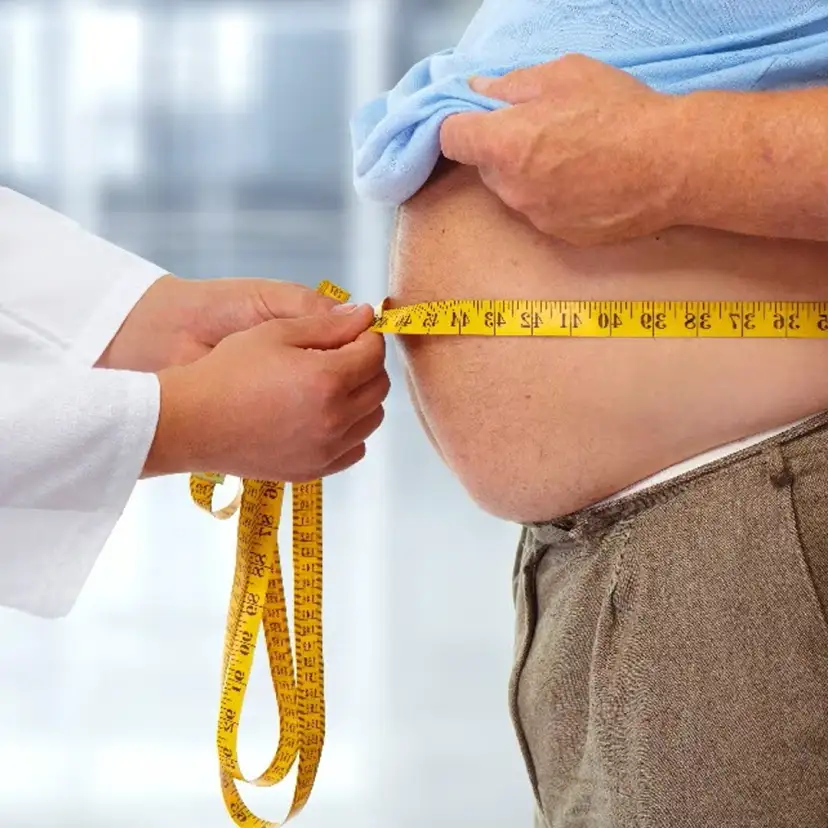
To calculate your BMI, divide your weight by your height squared: 145 kg for 1.70 m gives a BMI of 50.
When a duodenal switch is not recommended
- inflammatory bowel disease, such as Crohn’s disease, or chronic diarrhea;
- serious liver or kidney disease;
- untreated serious eating disorders, alcohol or substance dependence;
- inability to take vitamins and attend lifelong medical follow-up;
- current pregnancy or pregnancy planned within 18 months.
How does a duodenal switch in Turkey work in practice?
- You send us your request. Through the website form or on WhatsApp, with your weight, height, medical history (including any previous sleeve) and treatments.
- We look for the best option for your case and budget. We forward your file to the obesity surgeons of our partner hospitals.
- You receive your care plan and your quote. Within 48 hours: the proposed technique (classic duodenal switch or SADI-S, in one or two stages), the length of stay (usually 8 to 10 days) and a detailed price, free and with no obligation.
- We organize your trip. Hospital appointments, hotel booking, airport transfer and interpreter: everything is ready before you leave.
- We stay by your side until you return home. 24/7 assistance throughout your stay. You leave with your vitamin and protein program, and your blood tests are then done in Turkey or near home.
After a duodenal switch: diet, vitamins and results

Diet
For the first 2 weeks, you only take liquids, then puréed and soft foods until about 6 weeks. After that, you eat small portions, always starting with protein. The goal is at least 80 to 90 g of protein a day, with 1.5 to 2 liters of water, between meals.
Digestion
Because much of the fat is no longer absorbed, stools are more frequent (often 2 to 4 a day), softer and more odorous, especially after a fatty meal. Limiting fat and fast sugars clearly improves comfort.
Lifelong vitamins
The duodenal switch strongly reduces the absorption of vitamins A, D, E and K, calcium, iron and zinc. You need suitable supplements for life, often in high doses, with a blood test every 3 months in the first year, then every 6 months, then every year. Without this follow-up, serious deficiencies can develop.
Results
Weight loss averages 35 to 45% of starting weight, or 70 to 80% of excess weight, and it is the most stable over time. Type 2 diabetes goes into remission in a large majority of patients, and cholesterol, high blood pressure and sleep apnea often improve. Pregnancy should be avoided for 18 months after surgery.
What are the risks of a duodenal switch?
The duodenal switch is a longer and more complex operation than the sleeve or the bypass. Performed by an experienced team, by laparoscopy, it allows a quick recovery: most patients walk the day after surgery. Serious complications remain uncommon, but slightly more frequent than with other techniques, and lifelong follow-up is essential.
The most common effects
| Effect | What it is | Good to know |
|---|---|---|
| Fatigue and pain in the first days | Normal after-effects of surgery | Relieved by treatment, they ease within a few days |
| Frequent, odorous stools, gas | Due to unabsorbed fat | Improved by limiting fat |
| Deficiencies | Vitamins A, D, E, K, calcium, iron, zinc | Prevented by supplements and follow-up blood tests |
| Hair loss | Linked to rapid weight loss | Temporary, between the 3rd and 6th month |
Rare complications
They are uncommon, but it is important to know them so you can react quickly if a symptom appears.
| Complication | What it is | Good to know |
|---|---|---|
| Leak at a suture | A connection or the staple line is not watertight | About 1 to 3%, monitored in hospital |
| Bleeding | Bleeding after surgery | Uncommon, monitored in hospital |
| Protein deficiency | Malnutrition if intake is insufficient | Rare with good follow-up, sometimes revision surgery |
| Bowel obstruction or internal hernia | The intestine gets trapped, sometimes years later | Rare, to consider in case of abdominal pain |
| Kidney stones, weaker bones | Linked to long-term deficiencies | Prevented by calcium, vitamin D and follow-up |
To reduce these risks, choose a surgeon who regularly performs the duodenal switch in a hospital with an intensive care unit, stop smoking before surgery, and follow the instructions: walking from the next day, injections against blood clots, step-by-step diet, protein and vitamins.
How to choose your hospital and your quote?
A low price is not enough. Ask the hospital these questions before committing:
- Is the hospital authorized by the Turkish Ministry of Health to treat international patients?
- Who will perform the duodenal switch, and how experienced are they with this technique?
- How many duodenal switches does the surgeon perform each year?
- Which technique is planned: classic duodenal switch or SADI-S, in one or two stages?
- Does the hospital have an intensive care unit?
- Who takes care of a complication, on site and after your return home?
- What medical and nutritional follow-up is planned, and with whom?
What a good quote should specify
- The name of the hospital and the doctor
- The tests, anesthesia, hospital stay and medication included
- The number of nights in hospital and at the hotel, and the transfers
- What happens in case of complication or cancellation
- The follow-up offered after your return
Also budget for your flight and follow-up consultations. Planned treatment in Turkey is usually not covered by public health insurance: ask your insurer in writing before committing.
Take time to think, and be wary of any offer that pushes you to decide quickly.
Our partner hospitals in Turkey








Frequently asked questions about the duodenal switch in Turkey
How much does a duodenal switch cost in Turkey?
In Turkey, a duodenal switch usually costs $5,800 to $9,200. The price depends on the technique (classic duodenal switch or SADI-S), whether surgery is done in one or two stages, the hospital and the length of stay. The exact price appears on your free quote, prepared after reviewing your file.
How much weight do you lose after a duodenal switch?
On average 35 to 45% of starting weight, or 70 to 80% of excess weight, over 12 to 24 months. A person 1.70 m tall weighing 150 kg often loses 55 to 65 kg. It is the technique with the most stable results over time.
What is the difference between a duodenal switch and a bypass?
Both reduce the stomach and change the path of food through the intestine. The duodenal switch keeps the pylorus, reduces the stomach like a sleeve and bypasses a larger part of the intestine: it leads to more weight loss and has a stronger effect on diabetes, but causes more deficiencies and requires higher doses of vitamins.
What is SADI-S?
SADI-S is a simplified version of the duodenal switch: a sleeve, then a single connection between the duodenum and the intestine instead of two. It keeps a longer length of intestine for absorption, which slightly reduces deficiencies and diarrhea, with similar results on weight and diabetes.
Can you have a duodenal switch after a sleeve?
Yes. It is one of its main indications: if weight loss is insufficient or weight is regained after a sleeve, the surgeon can convert the sleeve into a duodenal switch or SADI-S. Your file, with the sleeve operation report, shows whether this is possible.
How long do you need to stay in Turkey after a duodenal switch?
Usually plan 8 to 10 days: tests on arrival, surgery the next day, 3 to 4 nights in hospital, then a few days at the hotel before a final check-up. Injections against blood clots are prescribed for several weeks. During the flight, wear compression stockings, get up regularly and drink in small sips.
Do you need to take vitamins for life after a duodenal switch?
Yes, and it is essential. The duodenal switch strongly reduces the absorption of vitamins A, D, E and K, calcium, iron, zinc and protein. You need supplements for life, often in high doses, and a blood test every 3 months in the first year, then every 6 months, then every year. Identify the doctor who will provide this follow-up before you leave.
Is a duodenal switch covered by insurance?
Planned obesity surgery in Turkey is usually not covered by public health insurance systems, even when the same operation would be covered at home. Follow-up care at home is generally covered as usual. Some private insurers and international health plans do cover treatment abroad: ask your insurer in writing before you travel.
Your duodenal switch project in Turkey
Send us your weight, height, medical history (including any previous sleeve) and current treatments. You will receive a free opinion and quote after your file has been reviewed.


 Our advisors present the options suited to your case in Turkey