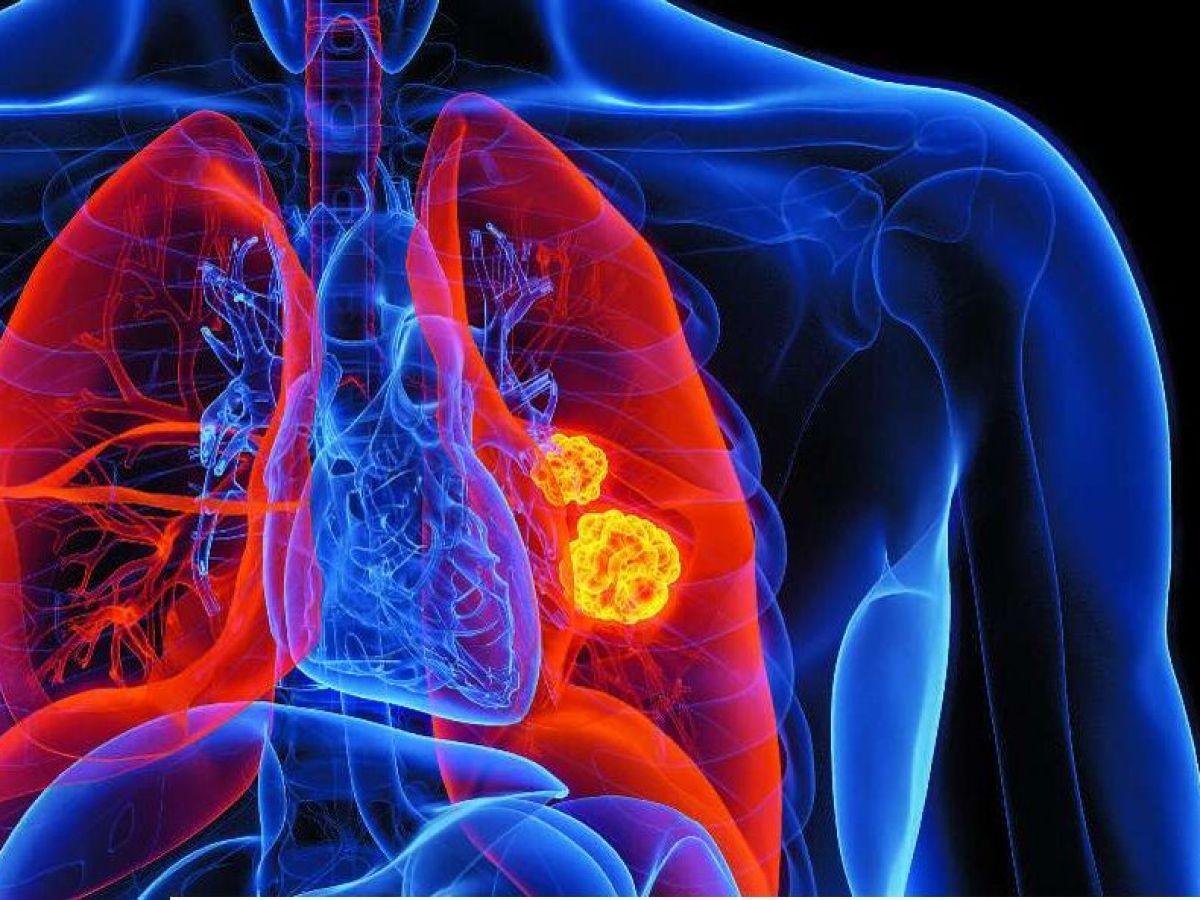
Pancreatic cancer treatment in Turkey: expert surgery and modern treatments
Symptoms, diagnosis, pancreatic surgery, chemotherapy, radiotherapy and care in Turkey: everything you need to know.
What does pancreatic cancer treatment in Turkey involve?
Pancreatic cancer is often discovered late, as it causes few signs at first. Its treatment is demanding, and its results depend heavily on the team’s experience: this is a cancer for which the choice of center particularly matters.
Pancreatic cancer treatment in Turkey is provided by pancreatic surgeons and oncologists in centers in Istanbul, Ankara and Izmir, authorized by the Turkish Ministry of Health. When the tumor can be removed, it combines chemotherapy and surgery, such as a pancreaticoduodenectomy (Whipple procedure). Otherwise, chemotherapy, sometimes radiotherapy, pushes the disease back and, in some cases, makes surgery possible. A first opinion is given quickly based on your CT scan. The price is set in a free quote.
TurquieMed organizes your stay: forwarding your file to the oncology team, opinion and detailed quote within 48 hours, airport pick-up, transfers, hotel, interpreter and 7-day-a-week assistance.
- First opinion
- Within 48 hours, based on your file
- Treatments
- Surgery, chemotherapy, radiotherapy
- Stay for surgery
- Usually 2 to 3 weeks
- Follow-up
- With your oncologist, back home
How much does pancreatic cancer treatment cost in Turkey?
The price depends on the stage and the treatment: a Whipple procedure, with 1 to 2 weeks in hospital, costs much more than an opinion or chemotherapy cycles. For a comparable level of care, the total cost in Turkey is often significantly lower than in Western Europe or North America.
Your free quote is prepared after your file has been reviewed and details the surgery, hospital stay, chemotherapy, accommodation, transfers and interpreter.
Why have pancreatic cancer treated in Turkey?
For pancreatic cancer, two things make the difference: speed of care and the surgeon’s experience. Turkish centers specialized in hepatobiliary and pancreatic surgery offer both.
- Hepatobiliary and pancreatic surgeons. The Whipple procedure is among the most complex operations in digestive surgery; it is performed by teams who do it regularly.
- Expert assessment of resectability. The radiologist and surgeon analyze the CT scan together to say whether the tumor can be removed, sometimes after initial chemotherapy.
- Chemotherapy before surgery. Intensive protocols (such as FOLFIRINOX) can shrink the tumor and increase the chances of operating.
- Intensive care after surgery. Partner hospitals have monitoring units suited to recovery from pancreatic surgery.
- A second opinion within days. When you have been told the tumor is inoperable, a second look by an expert team can be useful.
What are the causes and risk factors of pancreatic cancer?
Pancreatic cancer is often found late, because it causes few signs at first. The main risk factors are:
- smoking: the most important avoidable factor, which roughly doubles the risk;
- age: most cases occur after 60;
- diabetes: long-standing, or on the contrary appearing recently for no reason, which should prompt a check-up;
- chronic pancreatitis: often linked to alcohol;
- excess weight: and lack of physical activity;
- a family history: or a genetic mutation, such as BRCA2.
Stopping smoking, limiting alcohol and keeping a healthy weight reduce the risk. With a strong family history, specialized monitoring may be offered.
What are the symptoms of pancreatic cancer?
At first, it often causes no signs. Later, it may cause:
- jaundice: yellow skin and eyes, dark urine, pale stools;
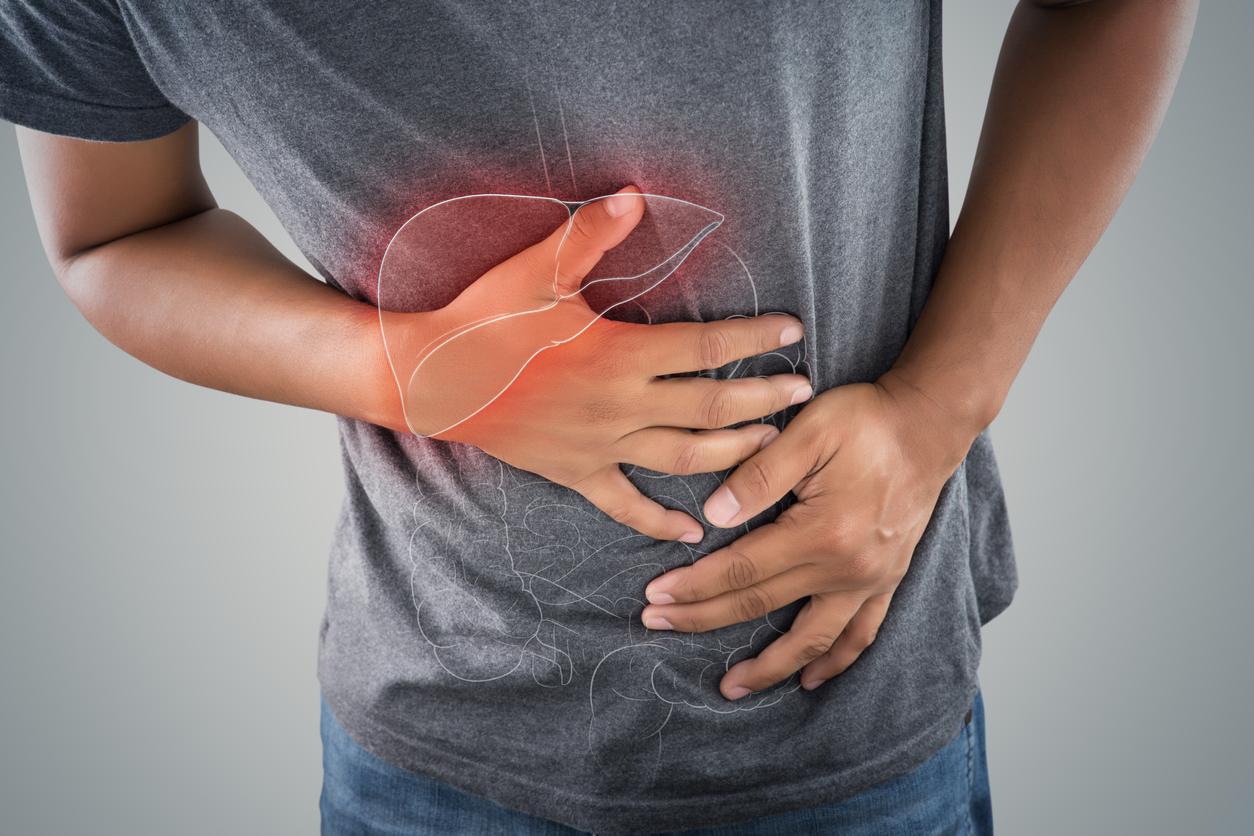
- pain in the upper abdomen, spreading to the back;
- unexplained weight loss and loss of appetite;
- recent-onset diabetes, especially after 50;
- fatty stools and severe tiredness.
These signs often have another cause, such as gallstones. However, jaundice should always prompt a quick consultation.
How is pancreatic cancer diagnosed?
CT scan and MRI
A pancreas CT scan, performed according to a precise protocol, shows the tumor and its relationship to the blood vessels: it decides whether surgery is possible.
Endoscopic ultrasound and biopsy
A small probe passed through the mouth gives a close-up view of the pancreas and allows the tumor to be sampled to confirm the diagnosis.
Blood tests
They assess general health, jaundice and the CA 19-9 marker, useful for tracking the response to treatment.
What are the treatments for pancreatic cancer?
Treatment depends on whether the tumor can be removed and on your general health. It is decided by a multidisciplinary tumor board.
Surgery
Depending on the location, the surgeon removes the head of the pancreas with the duodenum (Whipple procedure), the tail of the pancreas (distal pancreatectomy) or the whole pancreas. The operation lasts 5 to 8 hours, followed by 1 to 2 weeks in hospital.
Chemotherapy
It is given after surgery to limit the risk of recurrence, and often before to shrink the tumor. For advanced disease, it slows the disease and relieves symptoms.
Radiotherapy
It is sometimes combined with chemotherapy, particularly before surgery or for locally advanced tumors.
Supportive care
Placing a stent in the bile ducts treats jaundice, and pancreatic enzymes improve digestion.
How does your care in Turkey work?
- You send your file. Your complete medical file: CT scan, MRI, biopsy and tests. You receive an opinion within days.
- Arrival and tests. Consultation with the surgeon and oncologist, additional tests.
- The treatment. Surgery with 1 to 2 weeks in hospital, or starting chemotherapy.
- The return. After the check-up, with a complete report for your oncologist, who continues chemotherapy if planned.
Follow-up after treatment
Follow-up combines consultations, CT scans and CA 19-9 tests every 3 to 6 months in the first years. After surgery, nutritional follow-up and pancreatic enzymes help maintain a healthy weight. This follow-up takes place close to home, with your oncologist.
What are the possible side effects?
Pancreatic surgery is a major operation, but specialized teams have clearly improved recovery.
| Effect | After which treatment | Good to know |
|---|---|---|
| Tiredness, pain in the first weeks | Surgery | They ease during recovery |
| Difficult digestion, weight loss | Surgery | Improved by pancreatic enzymes and nutritional follow-up |
| Diabetes | Surgery | Possible, especially after removal of a large part of the pancreas, and treated |
| Tiredness, tingling, digestive problems | Chemotherapy | Monitored at each cycle |
How to choose your hospital and quote?
A low price is not enough. Ask the hospital these questions before committing:
- Is the hospital authorized by the Turkish Ministry of Health to treat international patients?
- Who will perform the operation, and how experienced are they with this technique?
- How many pancreatic operations does the team perform each year?
- Has your CT scan been analyzed by a specialized radiologist and surgeon to judge whether the tumor is operable?
- Who takes care of a complication, on site and after your return home?
- What medical follow-up is planned, and with whom?
What a good quote should specify
- The name of the hospital and the doctor
- The tests, anesthesia, hospital stay and medication included
- The number of nights in hospital and at the hotel, and the transfers
- What happens in case of complication or cancellation
- The follow-up offered after your return
Also budget for your flight and follow-up consultations. Planned treatment in Turkey is usually not covered by public health insurance: ask your insurer in writing before committing.
Take time to think, and be wary of any offer that pushes you to decide quickly.
Our partner hospitals in Turkey








Frequently asked questions about pancreatic cancer in Turkey
How much does pancreatic cancer treatment cost in Turkey?
The price depends on the stage and the treatment: a Whipple procedure costs much more than an opinion or chemotherapy cycles. It is usually significantly lower than prices in Western Europe or North America. The exact price appears on your free quote.
Can pancreatic cancer be operated on?
About one patient in five can be operated on at diagnosis. In others, initial chemotherapy can shrink the tumor and make surgery possible. This is why an expert team’s opinion on your CT scan is essential.
What is the Whipple procedure?
It is the removal of the head of the pancreas, the duodenum, the gallbladder and part of the bile ducts, followed by reconnection of the remaining organs. It lasts 5 to 8 hours and must be performed by a team that does it regularly.
How long do I need to stay in Turkey?
For surgery, usually 2 to 3 weeks: assessment, operation, 1 to 2 weeks in hospital, then a check-up before returning home.
Which documents should I send to get an opinion?
Send the pancreas CT scan or MRI, with the images if possible, the biopsy or endoscopic ultrasound report, the CA 19-9 test, your latest blood tests and your medical history.
Can I have chemotherapy in my home country?
Yes: surgery can be done in Turkey and chemotherapy continued near home with your oncologist, based on the reports handed to you before your return.
Is treatment in Turkey covered by insurance?
Planned treatment in Turkey is usually not covered by public health insurance systems, which generally only reimburse urgent and unforeseen care abroad. Some private insurers and international health plans do cover treatment abroad: ask your insurer in writing before committing, and keep all your invoices and medical reports.
Request a free medical opinion and quote
Send us your complete medical file: reports, imaging and test results. The medical team will review it, and you will receive a detailed medical opinion and an estimated quote.