Gastric bypass in Turkey: effective, long-lasting obesity surgery
Everything you need to know about gastric bypass in Turkey: who it is for, how the operation works, results on weight and diabetes, risks, follow-up and price.
What is a gastric bypass in Turkey?
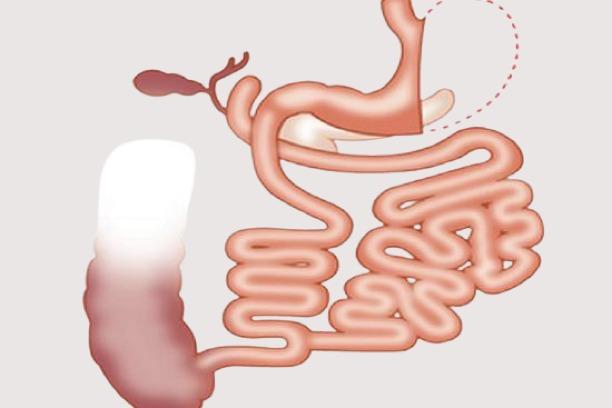
A gastric bypass in Turkey is intended for adults with a BMI of at least 40, or at least 35 with a weight-related condition such as type 2 diabetes, high blood pressure, sleep apnea or severe reflux, after medical and dietary follow-up has failed. The surgeon creates a small stomach pouch and connects it directly to the intestine, by laparoscopy, under general anesthesia, in 2 to 3 hours. You eat less and absorb fewer calories. It is one of the most effective obesity operations: on average 30 to 35% of body weight is lost. Plan on 6 to 7 days in Turkey, including 2 to 3 nights in hospital. With TurquieMed, prices start from €4,000.
TurquieMed organizes your stay: review of your file by a surgeon, opinion and detailed quote within 48 hours, airport pick-up, transfers, hotel, interpreter and 7-day-a-week assistance.
To choose well, check the surgeon’s experience with bypass surgery, the hospital’s facilities, particularly its intensive care unit, and the lifelong medical and nutritional follow-up planned after your return.
- Technique
- Laparoscopy, through small incisions
- Anesthesia
- General
- Hospital stay
- Usually 2 to 3 nights
- Follow-up
- Medical, nutritional and vitamins, for life
How much does a gastric bypass cost in Turkey?
With TurquieMed, a gastric bypass in Turkey costs from €4,000. The final price depends on the hospital, the surgeon, the technique (standard bypass or mini bypass), the pre-operative tests and the number of nights in hospital and at the hotel. It appears on your free quote, prepared after your medical file has been reviewed.
Gastric bypass package
- VIP airport transfer
- 3 nights in a 4* hotel (breakfast)
- Pre-operative tests (blood tests, gastroscopy, ultrasound)
- TurquieMed assistance 7 days a week
- Hotel / clinic transfers
- Consultation with the surgeon and anesthetist
- Medication in hospital
- 3 meals a day in the clinic
- 3 nights in hospital
- Your laparoscopic bypass
- Interpreter service in the clinic
- Check-up visit before departure
Package price
from €4,000
Indicative, non-contractual price. The final price is set in a personalized quote, after your medical file has been reviewed, and may be higher. Flight, vitamins, follow-up after your return and any additional tests not included, unless stated on your quote.
Why have a gastric bypass in Turkey?
Gastric bypass is the reference operation for severe obesity and associated type 2 diabetes. It is also a more complex operation, requiring a highly experienced team and rigorous nutritional follow-up.
- High-volume bariatric surgeons. Surgeons in reference centers perform laparoscopic bypass regularly, experience that reduces complications.
- An effect on diabetes and reflux. Bypass often clearly improves type 2 diabetes and treats reflux, making it the preferred option in these situations.
- An intensive care unit on site. Partner hospitals provide monitoring suited to recovery from major digestive surgery.
- A vitamin program from discharge. You leave with your lifelong supplement program and the schedule of blood tests to have close to home.
- A complete package for major surgery. VIP transfer, 4* hotel, full tests, procedure, hospital stay, medication, interpreter and TurquieMed assistance 7 days a week.
How does a gastric bypass work?
A much smaller stomach
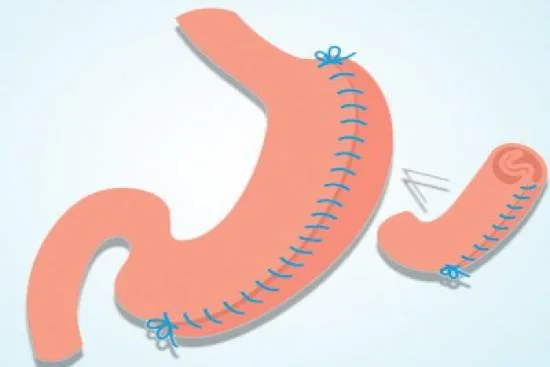
The surgeon isolates a small stomach pouch of about 30 to 50 ml. The rest of the stomach is not removed: it stays in place but no longer receives food. You feel full after a few mouthfuls.
A shortcut in the intestine
The small pouch is connected directly to a lower part of the small intestine. Food “bypasses” the rest of the stomach and the beginning of the intestine: some of the calories are no longer absorbed.
An effect on hormones
Bypass changes the hormones that control hunger and blood sugar. This is why it often improves type 2 diabetes very quickly, sometimes even before weight loss, and effectively treats reflux.
Standard bypass or mini bypass
The standard “Roux-en-Y” bypass is the reference technique. The mini bypass, with a single connection to the intestine, is quicker to perform. The surgeon will tell you which technique suits your case.
Gastric bypass or another obesity treatment?
Bypass is one of the most effective techniques, particularly in case of type 2 diabetes or reflux. On the other hand, it alters the intestine and requires vitamins for life. The sleeve is a simpler alternative, often offered first when there is no reflux. The surgeon will guide you according to your BMI, your health conditions and your eating habits.
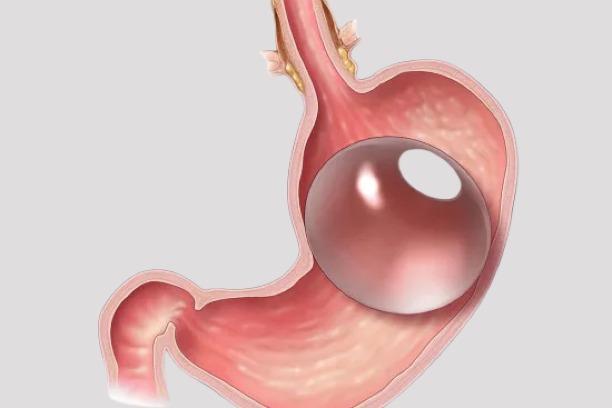
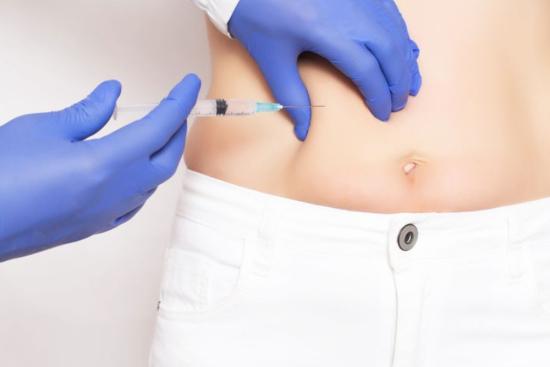
| Criterion | Gastric bypass | Gastric balloon | Gastric botox | Gastric band | Gastric plication | Gastric sleeve |
|---|---|---|---|---|---|---|
| Price in Turkey | From €4,000 | From €1,500 | From €1,500 | From €3,900 | €3,500 to €4,500 | From €2,800 |
| Technique | Laparoscopy | Endoscopy, no incision | Endoscopy, no incision | Laparoscopy | Laparoscopy | Laparoscopy |
| Procedure time | 2 to 3 hours | 20 to 30 minutes | 15 to 20 minutes | 1 to 2 hours | 1 to 2 hours | 1 to 2 hours |
| Average weight loss | 30 to 35% of body weight | 10 to 15% of body weight in 6 months | Modest, a few kilos | 15 to 20% of body weight | 20 to 25% of body weight | 25 to 30% of body weight in the 1st year |
| Reversible | Difficult | Yes (temporary) | Yes (temporary effect) | Yes | Partly | No |
| Changes to the intestine | Yes | No | No | No | No | No |
| Risk of deficiencies | High | Low | Low | Low | Low | Moderate |
These figures are indicative and vary between patients, surgeons and techniques.
For a detailed comparison, see our guides to the gastric sleeve, gastric band and gastric balloon.
Who can have a gastric bypass?
Bypass is intended for adults who meet the criteria for obesity surgery:
- a BMI of at least 40, or at least 35 with a weight-related condition;
- failure of serious medical and dietary follow-up for 6 to 12 months;
- it is often preferred in case of type 2 diabetes, severe reflux or sweet snacking;
- it is also offered after a sleeve or band that did not give the expected result.
To calculate your BMI, divide your weight by your height squared: 115 kg for 1.70 m gives a BMI of 40.
When bypass is not recommended
- inflammatory bowel disease, such as Crohn’s disease;
- untreated serious eating disorders;
- alcohol or substance dependence;
- inability to take vitamins and attend lifelong medical follow-up;
- current pregnancy or pregnancy planned within 12 to 18 months.
How is a gastric bypass performed in Turkey?
- You send your file. Weight, height, medical history, treatments and recent tests.
- The surgeon reviews it. They confirm whether bypass is right for you and you receive your quote.
- Day 1: arrival and tests. Airport pick-up, consultation with the surgeon and anesthetist, blood tests, gastroscopy and ultrasound.
- Day 2: the operation. Laparoscopic bypass, in 2 to 3 hours, under general anesthesia. You walk from the next day.
- Days 3 and 4: hospital stay. Return to liquids, monitoring and injections to prevent blood clots.
- Days 5 to 7: hotel, check-up and return. Final visit with the surgeon, handover of the report and prescriptions, then flight home.
After bypass: eating, vitamins and results
Eating
For the first 2 weeks, you only take liquids, then puréed foods in weeks 3 and 4 and soft foods in weeks 5 and 6. You return to normal eating at around 6 to 8 weeks, in small portions of 150 to 200 ml. Aim for at least 60 g of protein a day and drink 1.5 liters of water, but never during meals.
Dumping syndrome
After a bypass, very sugary or fatty foods can cause discomfort just after the meal: feeling hot, palpitations, tiredness, diarrhea. This “dumping” is unpleasant but harmless, and it helps many patients avoid sugar.
Vitamins for life
Bypass reduces the absorption of certain nutrients. You need to take a multivitamin and mineral supplement, vitamin B12, vitamin D, calcium and often iron for life, with blood tests at 3, 6 and 12 months, then every year.
Results
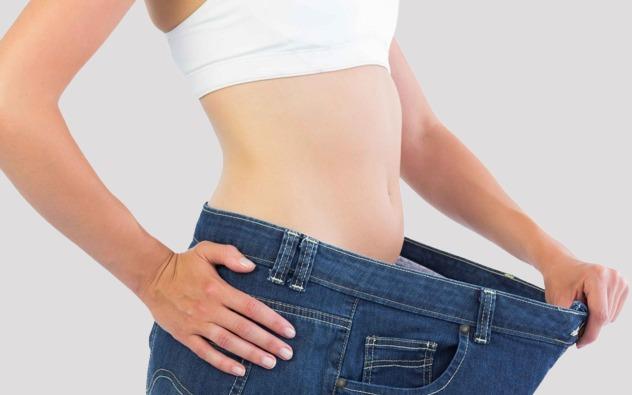
Weight loss averages 30 to 35% of starting weight, or 60 to 75% of excess weight, over 12 to 18 months. Type 2 diabetes, high blood pressure, sleep apnea and reflux very often improve. Pregnancy should be avoided for 12 to 18 months after the operation.
What are the risks of a gastric bypass?
Bypass has been performed for several decades and is a well-mastered technique. Done by laparoscopy, it allows a quick recovery: most patients walk the next day and leave hospital after 2 to 3 nights. Serious complications are rare and, when they occur, they are usually detected and treated during the hospital stay.
The most common effects
| Effect | What it is | Good to know |
|---|---|---|
| Tiredness and pain in the first days | Normal after the operation | Relieved by medication, they ease within a few days |
| Dumping syndrome | Discomfort after a sugary or fatty meal | Avoided by limiting sugar and eating slowly |
| Deficiencies | Lack of iron, vitamin B12, vitamin D or calcium | Prevented by vitamins and follow-up blood tests |
| Hair loss | Linked to rapid weight loss | Temporary, between the 3rd and 6th month |
Rare complications
They are uncommon, but it is important to know them so you can react quickly if a symptom appears.
| Complication | What it is | Good to know |
|---|---|---|
| Leak at a staple line | A connection is not watertight | About 1%, monitored in hospital |
| Bleeding | Bleeding after the operation | About 1 to 2%, monitored in hospital |
| Marginal ulcer | A small sore at the connection | Prevented by stomach-protecting medication and stopping smoking |
| Internal hernia | The intestine becomes trapped, sometimes years later | Rare, to be considered in case of abdominal pain |
To reduce these risks, choose an experienced surgeon in a hospital with an intensive care unit, stop smoking before the operation, and follow the instructions: walking from the next day, injections to prevent blood clots, step-by-step eating and vitamins.
How to choose your hospital and quote?
A low price is not enough. Ask the hospital these questions before committing:
- Is the hospital authorized by the Turkish Ministry of Health to treat international patients?
- Who will perform the bypass, and how experienced are they with this technique?
- Does the hospital have an intensive care unit?
- Which technique is planned: standard bypass or mini bypass?
- Who takes care of a complication, on site and after your return home?
- What medical and nutritional follow-up is planned, and with whom?
What a good quote should specify
- The name of the hospital and the doctor
- The tests, anesthesia, hospital stay and medication included
- The number of nights in hospital and at the hotel, and the transfers
- What happens in case of complication or cancellation
- The follow-up offered after your return
Also budget for your flight and follow-up consultations. Planned treatment in Turkey is usually not covered by public health insurance: ask your insurer in writing before committing.
Take time to think, and be wary of any offer that pushes you to decide quickly.
Our partner hospitals in Turkey







Frequently asked questions about gastric bypass in Turkey
How much does a gastric bypass cost in Turkey?
With TurquieMed, a gastric bypass in Turkey costs from €4,000. This price covers the package: VIP airport transfer, 3 nights in a 4* hotel, pre-operative tests, consultation with the surgeon and anesthetist, the laparoscopic operation, 3 nights in hospital, medication, meals in the clinic, interpreter and assistance 7 days a week. The flight and vitamins after your return are not included.
How much weight do you lose after a gastric bypass?
On average 30 to 35% of starting weight, or 60 to 75% of excess weight, over 12 to 18 months. A person 1.65 m tall weighing 125 kg often loses 38 to 44 kg. Weight loss is fastest in the first 3 months. Regaining a few kilos is possible after 2 years, but the result usually remains very good in the long term if you keep good habits.
Does a gastric bypass cure type 2 diabetes?
It very often improves it, sometimes within the first days, even before weight loss. In many patients, medication can be reduced or stopped, especially when the diabetes is recent. However, this is not guaranteed: never change your treatment on your own, your doctor will adjust it to your blood sugar levels.
How long do I need to stay in Turkey after a bypass?
Plan on 6 to 7 days: tests on arrival, the operation the next day, 2 to 3 nights in hospital, then a few days at the hotel before a final check-up. Injections to prevent blood clots are often prescribed for 10 days to 4 weeks. During the flight, wear your compression stockings, get up regularly and drink in small sips.
What is the difference between a bypass and a sleeve?
The sleeve removes about three quarters of the stomach, without touching the intestine, and leads to an average loss of 25 to 30% of body weight. The bypass reduces the stomach and changes the path of food through the intestine: it leads to slightly more weight loss, 30 to 35%, and has a stronger effect on diabetes and reflux, but requires more vitamins. With TurquieMed, the sleeve starts from €2,800 and the bypass from €4,000.
Do you need to take vitamins for life after a bypass?
Yes. Bypass reduces the absorption of iron, vitamin B12, calcium and vitamin D. The basic treatment includes a daily multivitamin and mineral supplement, vitamin D and calcium, with vitamin B12 and often iron. Blood tests are recommended at 3, 6 and 12 months, then every year. Before you leave, find the doctor who will provide this follow-up.
When can I return to work and sport after a bypass?
For office work, the return is usually after 2 to 3 weeks, and after 4 to 6 weeks for a physical job. Walking starts the day after the operation. Sport resumes gradually from 4 to 6 weeks, with the surgeon’s approval. Avoid heavy lifting for at least 6 weeks.
Is a gastric bypass covered by insurance?
Planned obesity surgery in Turkey is usually not covered by public health insurance systems, even when the same operation would be covered at home. Follow-up care at home is generally covered as usual. Some private insurers and international health plans do cover treatment abroad: ask your insurer in writing before you travel.
Your gastric bypass project in Turkey
Send us your weight, height, medical history and current treatments. You will receive an opinion and a free quote after your file has been reviewed.