Dental prosthesis in Turkey: custom-made crowns, bridges and dentures
Types of prosthesis, materials, procedure, care, risks and price: everything you need to know before having a dental prosthesis made in Turkey.
What is a dental prosthesis in Turkey?
A broken or root-treated tooth, or several missing teeth: a dental prosthesis restores or replaces teeth to bring back comfortable chewing and a harmonious smile.
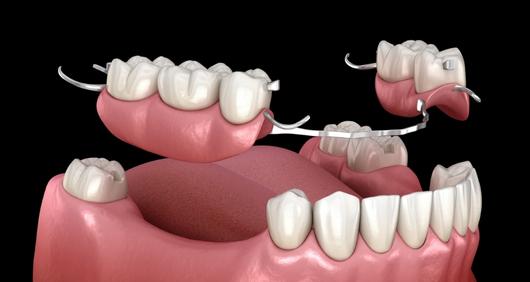
Dental prosthetics in Turkey include fixed prostheses, such as crowns and bridges, and removable prostheses, partial or complete (dentures). They are custom-made by a laboratory, often on site, in zirconia, porcelain or acrylic. For crowns and bridges, a stay of 5 to 7 days is usually enough. The price depends on the type of prosthesis and the material, and is set in a free quote.
TurquieMed organizes your stay: forwarding your file to the dentist, opinion and detailed quote within 48 hours, airport pick-up, transfers, hotel, interpreter and 7-day-a-week assistance.
- Crowns and bridges
- One stay of 5 to 7 days
- Materials
- Zirconia, porcelain, acrylic
- Anesthesia
- Local, if needed
- Lifespan
- Often 10 to 15 years or more
How much does a dental prosthesis cost in Turkey?
The price depends on the type of prosthesis (crown, bridge, removable prosthesis), the number of teeth and the material: zirconia and all-ceramic cost more than porcelain-fused-to-metal or acrylic. It is usually significantly lower than prices in Western Europe or North America.
Your free quote is prepared after your panoramic X-ray has been reviewed. Your flight is usually at your own expense.
Why have a dental prosthesis made in Turkey?
A quality dental prosthesis depends as much on the dentist as on the dental technician. Turkish clinics work with in-house laboratories and digital techniques, for precise prostheses in a short time.
- Dental technicians on site. Crowns, bridges and removable prostheses are made on site, with try-ins and adjustments during your stay.
- Digital impressions. The intraoral scanner replaces impression paste and improves the precision of the fit.
- A wide choice of materials. Zirconia, all-ceramic, porcelain-fused-to-metal or acrylic: the dentist suggests the right material for each tooth and your budget.
- Preliminary treatment done on site. Cavities, root canals and scaling are treated before fitting, for a long-lasting prosthesis.
- A short stay for fixed prostheses. 5 to 7 days is usually enough for crowns and bridges.
Which prosthesis for which situation?
- a badly damaged or root-treated tooth: a crown protects it and restores its shape;
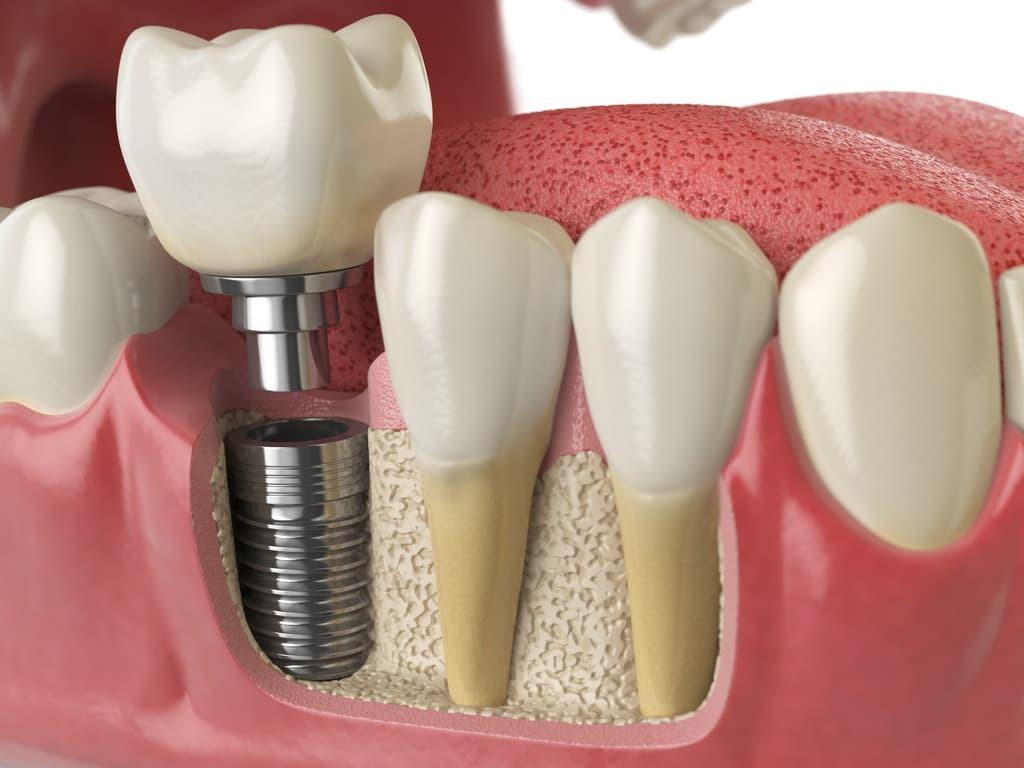
- one or two missing teeth between two strong teeth: a bridge, or an implant that avoids reducing the neighboring teeth;
- several missing teeth: a removable partial denture, or implants;
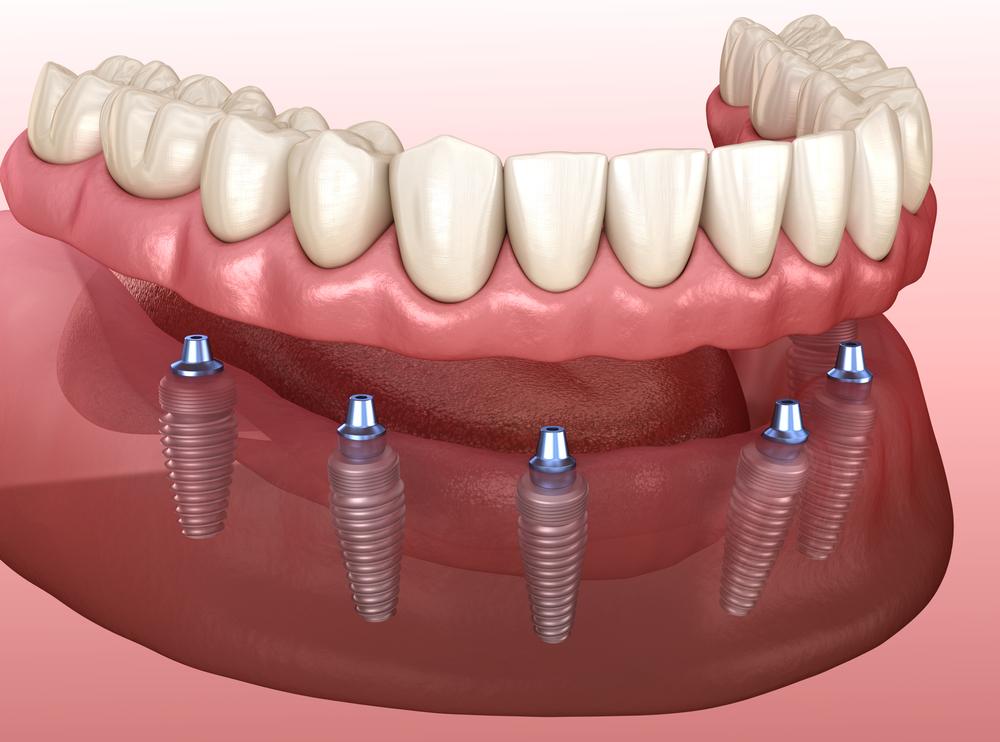
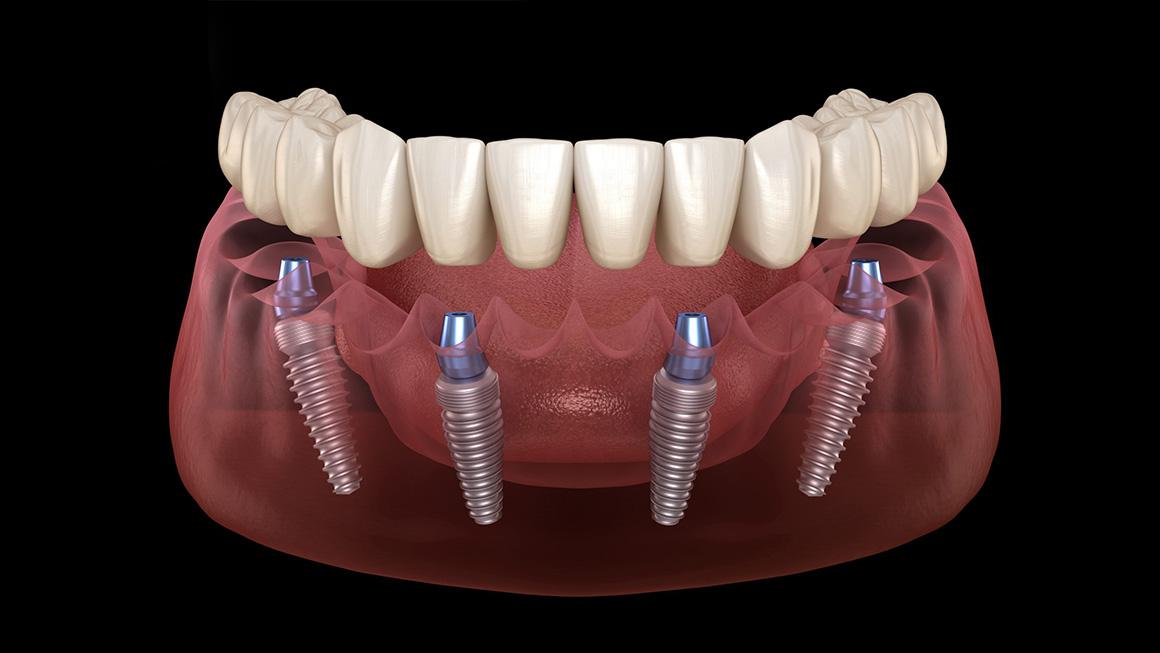
- all teeth missing: a complete denture, or fixed teeth on implants (All-on-4, All-on-6).
Before the prosthesis, cavities, gums and roots must be treated. The dentist suggests the most durable solution according to the condition of your teeth and your budget.
Which materials to choose?
| Material | Advantages | For which teeth |
|---|---|---|
| Zirconia | Very strong, metal-free, well tolerated | Back and front teeth, bridges |
| All-ceramic (e.max) | Very natural-looking, translucent | Front teeth |
| Porcelain-fused-to-metal | Strong, less expensive | Back teeth, with a possible gray line at the gum |
| Acrylic | Light, repairable | Removable and temporary prostheses |
How does your treatment in Turkey work, step by step?
Crowns and bridges: 5 to 7 days
- You send your panoramic X-ray. You receive a treatment plan and a quote.
- Day 1: examination and preliminary treatment.
- Day 2: tooth preparation under local anesthesia, digital impression, temporary teeth.
- Days 3 to 5: fabrication and try-in.
- Days 5 to 7: final fitting, bite adjustment and return.
Removable prostheses
They require several impression and try-in appointments, often over 7 to 10 days, then adjustments in the first weeks: plan for a dentist near home to make them. After your return, a check-up with your dentist and a scale and polish every 6 months keep your teeth and implants healthy. Bring back the reports, X-rays and implant card.
What are the risks of dental prostheses?
Dental prostheses are common, reliable treatments. Well fitted and well cared for, they last many years.
| Possible effect | Frequency | Good to know |
|---|---|---|
| Sensitivity of reduced teeth | Common at first | Eases within a few days to a few weeks |
| Sore gums with a denture | Common at first | Corrected by small adjustments |
| Crown that comes loose | Uncommon | Easily recemented |
| Decay under a crown or bridge | Possible in the long term | Prevented by hygiene and check-ups |
How to choose your clinic and quote?
A low price is not enough. Ask the hospital these questions before committing:
- Is the hospital authorized by the Turkish Ministry of Health to treat international patients?
- Who will perform the treatment, and how experienced are they with this technique?
- Which implant brands and materials are used, and will you receive their card and references?
- What guarantee is offered, and who handles adjustments and follow-up after your return?
- Who takes care of a complication, on site and after your return home?
- What dental follow-up is planned, and with whom?
What a good quote should specify
- The name of the hospital and the doctor
- The tests, anesthesia, hospital stay and medication included
- The number of nights in hospital and at the hotel, and the transfers
- What happens in case of complication or cancellation
- The follow-up offered after your return
Also budget for your flight and follow-up consultations. Planned treatment in Turkey is usually not covered by public health insurance: ask your insurer in writing before committing.
Take time to think, and be wary of any offer that pushes you to decide quickly.
Our partner hospitals in Turkey








Frequently asked questions about dental prostheses in Turkey
How much does a dental prosthesis cost in Turkey?
The price depends on the type of prosthesis, the number of teeth and the material. Crowns and bridges are priced per tooth. It is usually significantly lower than prices in Western Europe or North America. The exact price appears on your free quote.
Bridge or implant: which to choose?
A bridge rests on the neighboring teeth, which must be reduced. An implant replaces the root without touching the neighboring teeth, but requires bone and a healing period. If the neighboring teeth are healthy, an implant is often preferable.
How long do crowns last?
Often 10 to 15 years or more, with good hygiene and regular check-ups. Zirconia is the most durable material.
How long do I need to stay in Turkey?
Usually 5 to 7 days for crowns and bridges. For a complete removable denture, allow 7 to 10 days, followed by adjustments near home.
Which documents should I send to get an opinion?
Send a recent panoramic X-ray, photos of your teeth, your medical history and a list of your medication. Mention whether you already wear a prosthesis.
Are prostheses made in Turkey covered by insurance?
Treatment abroad is rarely covered by public health insurance. Some private dental insurers cover part of the cost: ask for a detailed quote and an itemized invoice.
Request a free opinion and quote
Send us a recent panoramic X-ray, photos of your teeth and your medical history. The dentist will review them, and you will receive a detailed opinion and an estimated quote.