Bladder cancer treatment in Turkey: from endoscopy to robotic surgery
Symptoms, diagnosis, endoscopic resection, BCG, cystectomy, neobladder, chemotherapy and immunotherapy in Turkey: everything you need to know.
What does bladder cancer treatment in Turkey involve?
Blood in the urine, often painless: this is the sign that reveals most bladder cancers. It mainly affects smokers and people over 60. In most cases, it is found at a superficial stage, which is treated through the urethra, without opening the abdomen.
Bladder cancer treatment in Turkey is provided by urologists and oncologists in centers in Istanbul, Ankara and Izmir, authorized by the Turkish Ministry of Health. Superficial tumors are removed by endoscopic resection, then BCG instillations into the bladder limit recurrence. Tumors that invade the muscle require chemotherapy and then a cystectomy, often robotic, with a neobladder when possible. The price is set in a free quote.
TurquieMed organizes your stay: forwarding your file to the oncology team, opinion and detailed quote within 48 hours, airport pick-up, transfers, hotel, interpreter and 7-day-a-week assistance.
- First opinion
- Within 48 hours, based on your file
- Treatments
- Resection, BCG, cystectomy, chemotherapy, immunotherapy
- Stay for a resection
- Usually 4 to 5 days
- Stay for a cystectomy
- Usually 2 to 3 weeks
How much does bladder cancer treatment cost in Turkey?
The price depends on the stage: an endoscopic resection with a few days in hospital costs much less than a robotic cystectomy with bladder reconstruction. For a comparable level of care, the total cost in Turkey is often significantly lower than in Western Europe or North America.
Your free quote is prepared after your file has been reviewed and details the procedure, hospital stay, accommodation, transfers and interpreter.
Why have bladder cancer treated in Turkey?
Bladder cancer covers very different situations, from a small superficial tumor to major surgery with reconstruction. Urology departments in Turkish reference centers handle every stage.
- High-quality endoscopic resection. A complete resection, aided by blue light (fluorescence cystoscopy) in some centers, reduces the risk of recurrence.
- Robotic cystectomy. Removing the bladder robotically limits bleeding and speeds up recovery compared with open surgery.
- Neobladder reconstruction. When possible, a new bladder is made from the intestine, allowing natural urination, without a bag.
- Reference treatments. Chemotherapy before surgery, immunotherapy and new combinations for advanced disease, following European guidelines.
- A collective decision. The urologist, oncologist and radiation oncologist choose together between surgery and bladder-sparing treatment.
What are the causes and risk factors of bladder cancer?
Bladder cancer is strongly linked to toxic substances eliminated in the urine. The main risk factors are:
- smoking: the leading cause, responsible for about half of cases;
- certain occupational exposures: to dyes, rubber, tar or metalworking;
- age and sex: it mainly affects men over 60;
- chronic bladder irritation: repeated infections, a long-term catheter or schistosomiasis;
- pelvic radiotherapy: or certain cancer treatments received in the past.
Stopping smoking is the most effective way to reduce the risk, including the risk of recurrence after treatment.
What are the symptoms of bladder cancer?
- blood in the urine, often painless, sometimes intermittent;
- frequent, urgent need to urinate;
- burning when urinating, with no infection found;
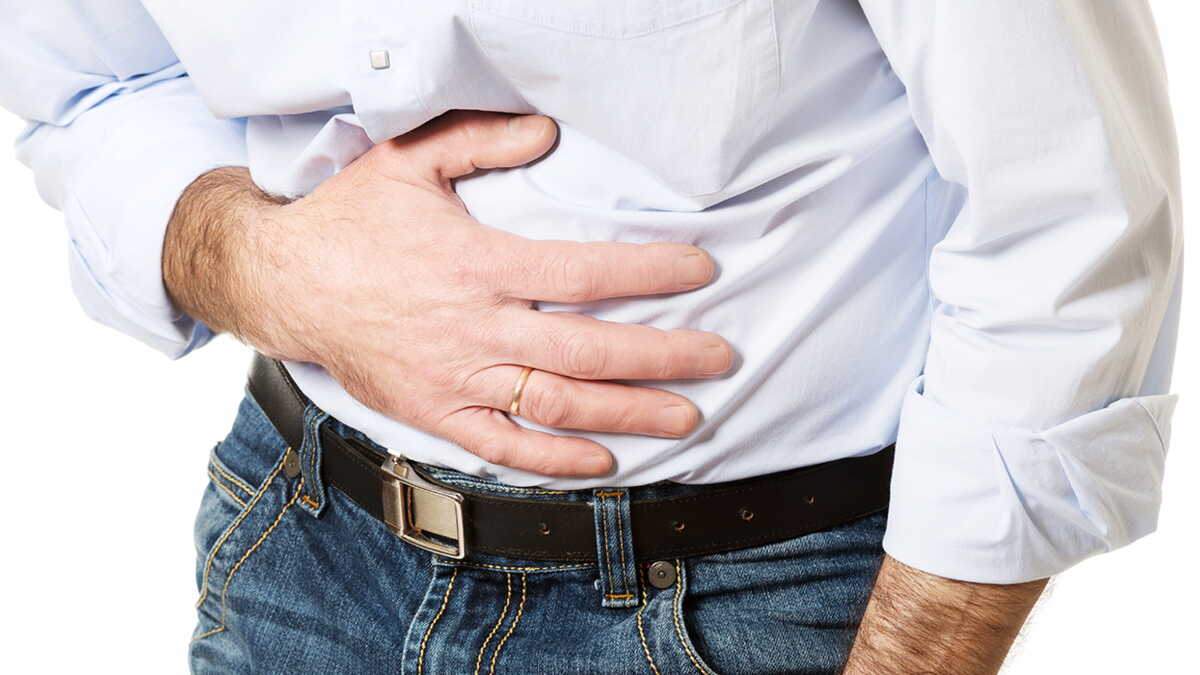
- pain in the lower abdomen, at a more advanced stage.
These signs most often have another cause, such as a urinary infection. However, blood in the urine should always prompt a consultation, even if it goes away.
How is bladder cancer diagnosed?
Cystoscopy
A small camera passed through the urethra, under local anesthesia, shows the inside of the bladder and locates the tumor.
Endoscopic resection
Under anesthesia, the tumor is removed through the urethra. Its analysis shows whether it is superficial or invades the bladder muscle: this decides what happens next.
CT scan
A CT scan of the abdomen and chest checks the kidneys and urinary tract and any spread.
What are the treatments for bladder cancer?
Treatment depends mainly on whether the bladder muscle is involved. It is decided by a multidisciplinary tumor board.
Superficial tumors
Endoscopic resection removes the tumor. Depending on the risk of recurrence, it is followed by instillations of chemotherapy or BCG, a local immunotherapy, into the bladder for several months.
Muscle-invasive tumors
Chemotherapy is given first, then the bladder is removed (cystectomy), often robotically. Urine is then drained through a neobladder made from the intestine, or through a small opening on the skin with a bag.
Bladder preservation
In some patients, a combination of resection, chemotherapy and radiotherapy allows the bladder to be kept.
Advanced disease
Immunotherapy and new combinations, such as antibody-drug conjugates, have clearly improved results.
How does your care in Turkey work?
- You send your file. Your complete medical file: cystoscopy and resection reports, tumor analysis and CT scan. You receive an opinion and a quote.
- Arrival and tests. Consultation with the urologist and anesthetist.
- The treatment. Resection with 1 to 2 nights in hospital, or cystectomy with 7 to 10 nights.
- The return. After the check-up, with a complete report for your urologist, who handles the next steps (instillations, surveillance).
Follow-up after treatment
Superficial tumors often recur: a check cystoscopy is done every 3 to 6 months at first, then less often. After a cystectomy, follow-up combines CT scans and kidney function checks. Stopping smoking clearly reduces the risk of recurrence. This follow-up takes place close to home, with your urologist.
What are the possible side effects?
Treatments are adapted to the stage, and most side effects are temporary.
| Effect | After which treatment | Good to know |
|---|---|---|
| Blood in the urine, burning | Resection | Pass within a few days |
| Frequent urination, tiredness, mild fever | BCG instillations | Common and temporary |
| Leaks at night at first | Neobladder | Improve with pelvic floor training within a few months |
| Tiredness, digestive problems | Chemotherapy | Monitored at each cycle |
How to choose your hospital and quote?
A low price is not enough. Ask the hospital these questions before committing:
- Is the hospital authorized by the Turkish Ministry of Health to treat international patients?
- Who will perform the procedure, and how experienced are they with this technique?
- Does the team perform robotic cystectomy and neobladder reconstruction?
- Is chemotherapy before surgery planned if the tumor invades the muscle?
- Who takes care of a complication, on site and after your return home?
- What medical follow-up is planned, and with whom?
What a good quote should specify
- The name of the hospital and the doctor
- The tests, anesthesia, hospital stay and medication included
- The number of nights in hospital and at the hotel, and the transfers
- What happens in case of complication or cancellation
- The follow-up offered after your return
Also budget for your flight and follow-up consultations. Planned treatment in Turkey is usually not covered by public health insurance: ask your insurer in writing before committing.
Take time to think, and be wary of any offer that pushes you to decide quickly.
Our partner hospitals in Turkey







Frequently asked questions about bladder cancer in Turkey
How much does bladder cancer treatment cost in Turkey?
The price depends on the stage: an endoscopic resection costs much less than a robotic cystectomy with a neobladder. It is usually significantly lower than prices in Western Europe or North America. The exact price appears on your free quote.
Does the bladder always have to be removed?
No. Most bladder cancers are superficial and are treated by endoscopic resection, without removing the bladder. Cystectomy mainly concerns tumors that invade the muscle, and some patients can even keep their bladder thanks to radiotherapy and chemotherapy.
What is a neobladder?
It is a new bladder built from a segment of intestine and connected to the urethra, allowing natural urination without a bag. It is not possible for every patient; the surgeon will tell you whether it suits you.
How long do I need to stay in Turkey?
Usually 4 to 5 days for an endoscopic resection, and 2 to 3 weeks for a cystectomy.
Which documents should I send to get an opinion?
Send the cystoscopy and resection reports, the tumor analysis, the CT scan, your latest blood tests and your medical history.
Does smoking increase the risk of recurrence?
Yes: smoking is the leading cause of bladder cancer, and stopping smoking reduces the risk of recurrence. Help to quit can be offered to you.
Is treatment in Turkey covered by insurance?
Planned treatment in Turkey is usually not covered by public health insurance systems, which generally only reimburse urgent and unforeseen care abroad. Some private insurers and international health plans do cover treatment abroad: ask your insurer in writing before committing, and keep all your invoices and medical reports.
Request a free medical opinion and quote
Send us your complete medical file: reports, imaging and test results. The medical team will review it, and you will receive a detailed medical opinion and an estimated quote.