
Orthopedic surgery in Turkey: knee and hip replacement, ligaments, spine
Knee or hip replacement, ACL, arthroscopy, spine, fractures: procedures, prices, process, rehabilitation and risks, to prepare your orthopedic surgery in Turkey.
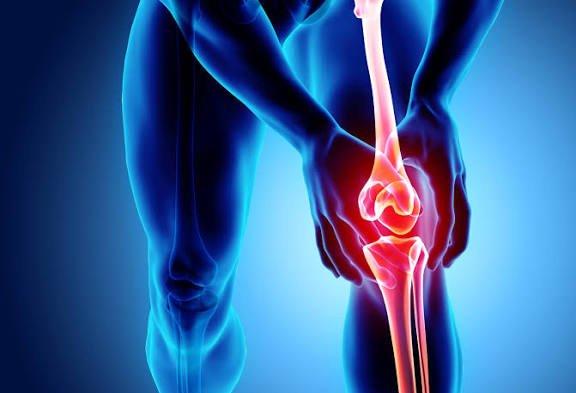
What is orthopedic surgery in Turkey?
Orthopedic surgery treats bones, joints, ligaments and the spine. It is offered when pain or difficulty walking is no longer relieved by non-surgical treatments: medication, injections and physiotherapy.
Orthopedic surgery in Turkey covers knee or hip replacement, knee ligament reconstruction, arthroscopy, spine surgery and fracture treatment. Procedures are performed by orthopedic surgeons, in hospitals licensed by the Turkish Ministry of Health. For a joint replacement, plan on 7 to 14 days in Turkey, including 2 to 5 days in hospital. Prices start at $1,500 for a simple fracture; a hip replacement starts at $9,800 and a knee replacement at $12,000, as a package. The exact price is confirmed in a free quote.
TurquieMed organizes your stay: forwarding your file to the orthopedic surgeon, opinion and detailed quote within 48 hours, airport pick-up, transfers, hotel, interpreter and 7-day-a-week assistance.
To choose well, the key point is rehabilitation: it matters as much as the surgery itself for a joint that works well again. Plan from the start where it will take place, in Turkey and then close to home.
- Procedures
- Joint replacement, ligaments, arthroscopy, spine, fractures
- Anesthesia
- General or spinal
- Stay for a joint replacement
- Usually 7 to 14 days
- Price
- From $1,500; knee package from $12,000
How much does orthopedic surgery cost in Turkey?
In Turkey, orthopedic surgery costs from $1,500 for a simple fracture, a hip replacement from $9,800 and a knee replacement from $12,000, as a package. The price depends on the procedure, the complexity of your case, the length of the hospital stay and the type of implant or hardware used. As a guide:
| Procedure | Indicative price in Turkey |
|---|---|
| Simple fracture or injury | $1,500 to $3,000 |
| Knee ligaments (anterior cruciate ligament) | $3,500 to $8,000 |
| Knee replacement (package) | From $12,000 |
| Hip replacement (package) | From $9,800 |
| Complex spine surgery | From $15,000 |
These prices are indicative. Always check what the quote includes: hospital stay, implant or prosthesis, tests, medication, physiotherapy sessions on site and follow-up after surgery. Your free quote, prepared after your X-rays and file have been reviewed, details each item, as well as the hotel, transfers and interpreter. Your flight is usually at your own expense.
Why choose Turkey for orthopedic surgery?
A knee or hip replacement is often scheduled after months of waiting, while pain already limits walking and sleep. In Turkey, surgery can usually be arranged within a few weeks, in hospitals equipped for joint surgery.
1. Surgeons specialized by joint
In major hospitals, orthopedic surgeons often focus on one joint or on the spine. Your file is entrusted to the surgeon who specializes in your problem.
2. Accredited hospitals
Many Turkish hospitals are accredited by the JCI (Joint Commission International), the international benchmark for patient safety. Operating rooms are equipped for joint surgery, with imaging during the procedure.
3. Prostheses from recognized brands
The prostheses and implants used come from international manufacturers. The quote states the brand and model: always ask for them before committing.
4. No long waiting list
Once your file has been reviewed, surgery can usually take place within a few weeks, depending on your tests and your health.
5. Rehabilitation starts on site
After a joint replacement, you usually get up the day after surgery, and the first physiotherapy sessions take place in hospital. You leave with an exercise program to continue at home.
6. A clear price, often much lower
A hip replacement starts at $9,800 and a knee replacement at $12,000, as a package, often much less than private care in Western Europe or North America. The quote is prepared in advance and details every step.
7. A stay organized from A to Z
We organize your appointments, a hotel close to the hospital, transfers and an interpreter, with 7-day-a-week assistance. You leave with your surgical report, your prosthesis card if you have one, your prescriptions and your rehabilitation program.
| In Turkey with TurquieMed | Often elsewhere | |
|---|---|---|
| First opinion | Within 48 hours, free, based on your X-rays | Several weeks for an appointment |
| Time before surgery | Usually a few weeks | Often several months |
| Price of a joint replacement | Packages from $9,800 (hip) and $12,000 (knee) | Often much higher in private care |
| Support | Hotel, transfers, interpreter, assistance 7 days a week | To be organized yourself |
Who is orthopedic surgery for?
Surgery is offered when everyday discomfort no longer responds to non-surgical treatment, for example:
- knee or hip osteoarthritis that hurts when walking or at night, despite medication, injections and physiotherapy;
- a torn cruciate ligament, with a knee that gives way, especially in an active or sporty person;
- a meniscus or cartilage injury that locks or bothers the knee;
- a herniated disc or lumbar spinal stenosis, with persistent leg pain;
- a fracture that needs fixation, or a fracture that has healed badly.
Some situations require special care, or postponing surgery: an ongoing infection, poorly controlled diabetes, heart or lung disease, anticoagulant treatment, smoking or significant excess weight. Mention them in your request: the surgeon takes them into account to decide whether and when you can be operated on.
What are the main procedures?
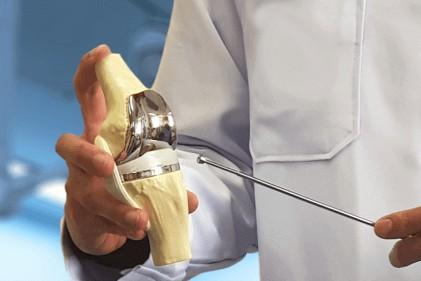
Knee replacement
It replaces the worn surfaces of the knee with metal and polyethylene parts. It can be total, or replace only part of the knee (partial or unicompartmental replacement). Surgery takes 1 to 2 hours, with a hospital stay of 3 to 5 days.
Hip replacement
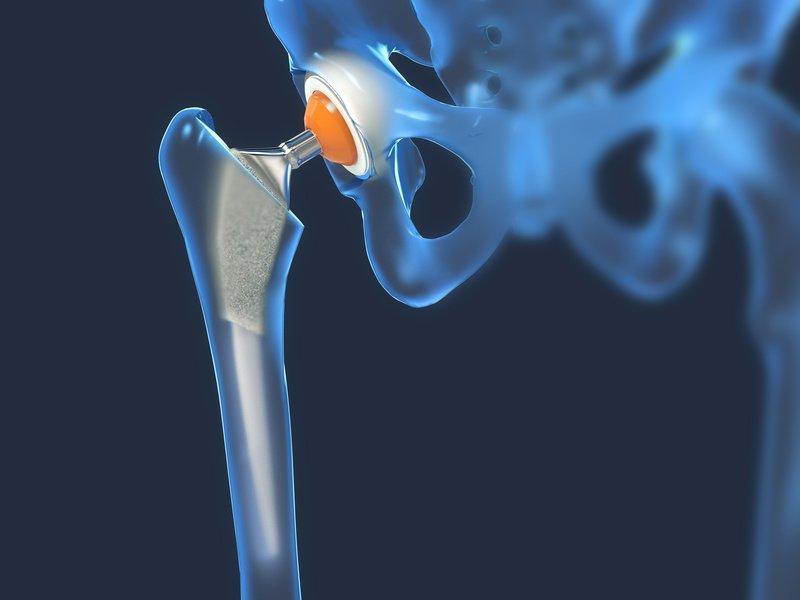
It replaces the head of the femur and the hip socket. Surgery takes about 1 to 2 hours, and you walk with a walker or crutches from the first days.
ACL reconstruction
The torn ligament is replaced by a tendon, most often taken from around the knee, using arthroscopy. Returning to sport usually takes 6 to 9 months of rehabilitation.
Arthroscopy
The surgeon operates with a small camera, through small incisions, to treat a meniscus, cartilage or a shoulder. You often go home the same day or the next day.
Spine surgery
It treats a herniated disc, a narrowed spinal canal or unstable vertebrae, sometimes by fusing several vertebrae together (spinal fusion). It is the heaviest and longest surgery in orthopedics.
Fracture treatment
The bone fragments are put back in place and held by plates, screws or nails, so that the bone heals in the right position.
How to prepare for orthopedic surgery in Turkey?
Good preparation, in the weeks before you travel, reduces the risk of complications and speeds up recovery. Your surgeon will give you instructions adapted to your case; here are the most common.
Before booking
- Review your medication: anticoagulants, antiplatelet drugs, anti-inflammatories, diabetes or rheumatoid arthritis treatments. Some must be stopped or adjusted before surgery, only with your doctor’s agreement;
- Have your teeth checked: before a joint replacement, an infected tooth can later contaminate the joint. A dental check-up in the preceding weeks is recommended;
- Stop smoking, ideally 4 to 6 weeks before: smoking increases the risk of infection and slows down wound and bone healing;
- Get your diabetes under control and, if possible, lose a few kilos: the surgeon may ask for a recent blood test.
Exercises before surgery
A few weeks of exercises to strengthen the thigh and hip muscles, with a physiotherapist, often make the first steps after surgery easier. Ask your doctor for a prescription before you leave.
Preparing your return home
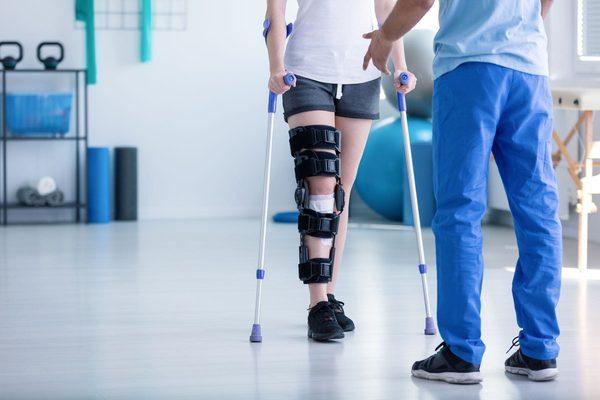
For the first few weeks, you will walk with crutches or a walker. Before leaving, remove rugs, clear walkways, set up a stable chair and, after a hip replacement, a raised toilet seat. Arrange help with shopping and housework, and book a physiotherapist for the week of your return.
In your suitcase
- loose clothes that are easy to put on;
- closed, stable shoes, ideally without laces;
- your usual medication, with the prescriptions;
- your X-rays, MRI, CT scan and reports;
- compression stockings, if they have been prescribed for the journey.
How does your orthopedic surgery in Turkey work?
- You send us your request. Through the website form or on WhatsApp, with your X-rays, MRI or CT scan, and your reports.
- We forward your file to an orthopedic surgeon. They review your imaging and your health.
- You receive your care plan and quote. Within 48 hours: the proposed procedure, the prosthesis or hardware planned, the length of stay and a detailed price, free and with no obligation.
- We organize your trip. Hospital appointments, hotel, airport transfer and interpreter: everything is ready before you leave.
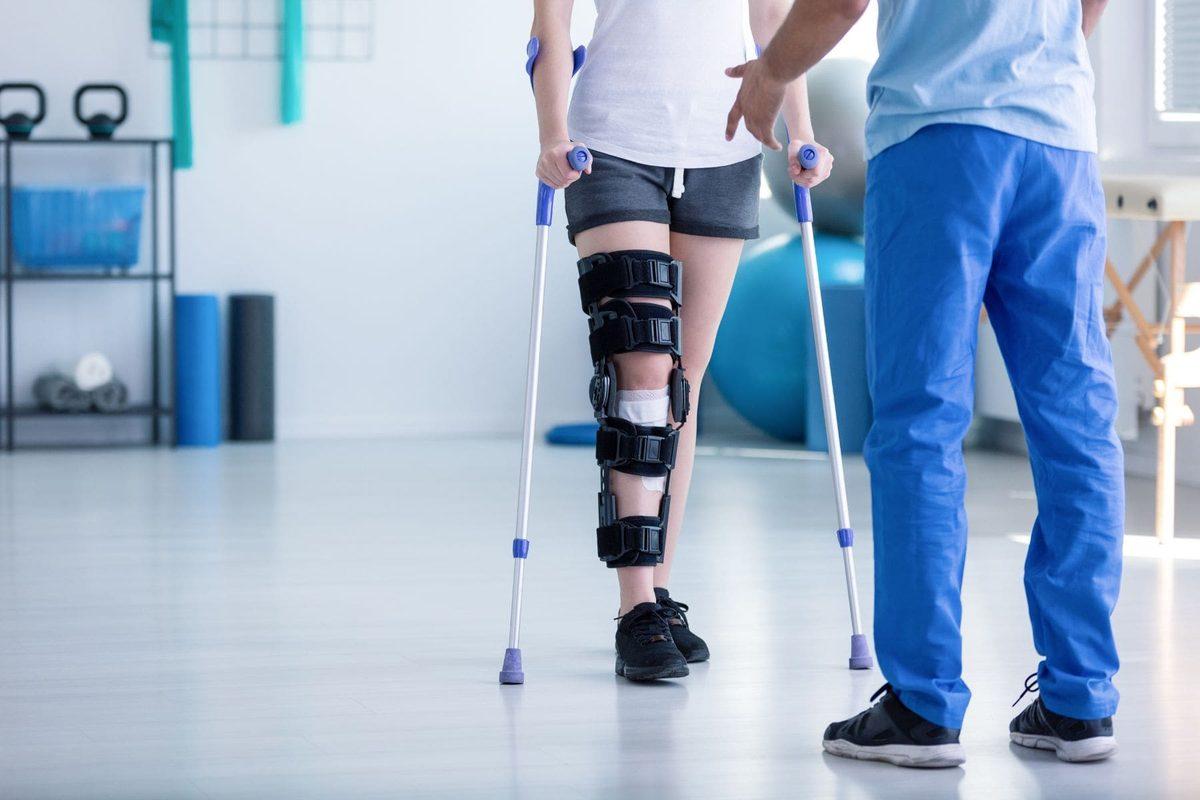
- Surgery and rehabilitation on site. Check-up on arrival, surgery, hospital stay, first physiotherapy sessions, then a few days at the hotel before the final check.
- Going home. You leave with your surgical report, your prosthesis card, your prescriptions and your rehabilitation program.
After surgery
Rehabilitation continues at home with a physiotherapist, usually for several weeks. After a joint replacement, a treatment against blood clots is prescribed for a few weeks, with compression stockings. Flying is usually possible after the final check, about 7 to 10 days after surgery: get up and walk regularly during the flight.
How long does recovery take after orthopedic surgery?
Recovery ranges from a few weeks after an arthroscopy to several months after a joint replacement or spinal fusion. The timings below are average guides: your surgeon will give you yours, depending on your age, fitness and procedure.
| Procedure | Crutches | Driving | Office work | Sport |
|---|---|---|---|---|
| Knee replacement | 4 to 6 weeks | After about 6 weeks | 6 to 8 weeks | Gentle sports after 3 months |
| Hip replacement | 3 to 6 weeks | After 4 to 6 weeks | 4 to 8 weeks | Gentle sports after 3 months |
| ACL reconstruction | 2 to 4 weeks | 4 to 6 weeks | 1 to 3 weeks | Running around 3 to 4 months, pivoting sports around 9 months |
| Meniscus arthroscopy | A few days | 1 to 2 weeks | A few days to 2 weeks | 1 to 3 months |
| Herniated disc | Rarely | 2 to 4 weeks | 2 to 6 weeks | 6 to 12 weeks |
| Lumbar spinal fusion | Rarely | 4 to 6 weeks | 6 to 12 weeks | Several months |
| Operated fracture | Depends on the bone | Depends on the bone | Depends on the bone | After healing, often 3 months |
Rehabilitation, a decisive step
Physiotherapy starts in hospital, usually the day after surgery, then continues at home: 6 to 12 weeks after a joint replacement, several months after an ACL reconstruction. Doing your exercises regularly at home matters as much as the sessions: this is what brings back mobility and strength. Pain usually decreases clearly after a few weeks, and the result keeps improving for several months.
Living with a prosthesis
A prosthesis lets you resume most activities: walking, cycling, swimming, golf, hiking. Impact or contact sports, such as intensive running, football or combat sports, are usually not recommended, as they wear the prosthesis faster. Keep your prosthesis card with you: it may set off metal detectors at the airport. Also tell any doctor or dentist about it: an infection elsewhere in the body must be treated quickly to protect the prosthesis. A check-up with an X-ray every few years monitors its wear.
What are the risks of orthopedic surgery?
Like all surgery, orthopedic procedures carry risks, which depend on the operation, your age and your health. They are discussed with the surgeon before any decision, and no result can be guaranteed.
| Possible complication | Good to know |
|---|---|
| Blood clot and pulmonary embolism | Prevented by anticoagulant treatment, compression stockings and getting up early |
| Wound or prosthesis infection | Rare, but it may require long antibiotic treatment, or even another operation |
| Bleeding, hematoma | Monitored in hospital, they usually resolve on their own |
| Stiffness or persistent pain | Limited by well-followed rehabilitation |
| Dislocation, loosening or wear of the prosthesis | May require another operation, sometimes years later |
| Delayed fracture healing | More common in smokers and people with diabetes |
How to choose your hospital and quote?
A low price is not enough. Ask the hospital these questions before committing:
- Is the hospital authorized by the Turkish Ministry of Health to treat international patients?
- Who will perform the surgery, and how experienced are they with this technique?
- Which prosthesis or implant is planned (brand, model), and why for you?
- How many physiotherapy sessions are included on site, and what program is planned after your return?
- Who takes care of a complication, on site and after your return home?
- What and rehabilitation follow-up is planned, and with whom?
What a good quote should specify
- The name of the hospital and the doctor
- The tests, anesthesia, hospital stay and medication included
- The number of nights in hospital and at the hotel, and the transfers
- What happens in case of complication or cancellation
- The follow-up offered after your return
Also budget for your flight and follow-up consultations. Planned treatment in Turkey is usually not covered by public health insurance: ask your insurer in writing before committing.
Our partner hospitals in Turkey








Frequently asked questions about orthopedic surgery in Turkey
How much does a knee or hip replacement cost in Turkey?
With TurquieMed, the hip replacement package starts at $9,800, and the knee replacement package at $12,000. The price depends on the prosthesis, the technique, the length of the hospital stay and the hospital. The exact price appears on your free quote, which should state the brand of the prosthesis, the hospital stay, physiotherapy on site and transfers.
How long do I need to stay in Turkey?
For a knee or hip replacement, plan on 7 to 14 days on average: 2 to 5 days in hospital, then a few days at the hotel with physiotherapy before the final check. An arthroscopy takes less time, spine surgery sometimes more.
When can I fly after a joint replacement?
Usually after the final check, about 7 to 10 days after surgery, with a treatment against blood clots and compression stockings. During the flight, get up and walk regularly, and drink often. The surgeon confirms the date depending on your recovery.
Where should I do rehabilitation after my return?
With a physiotherapist close to home, using the program and prescription given at discharge. It usually lasts several weeks after a joint replacement, and 6 to 9 months before returning to sport after an ACL reconstruction.
How long does a knee or hip prosthesis last?
Most prostheses last 15 to 20 years or more. Their lifespan depends on your age, weight, activity and the quality of the fitting. A regular check-up with an X-ray monitors their wear.
What documents should I send for an opinion?
Your recent X-rays, your MRI or CT scan if you have one, your doctor’s or surgeon’s report, your medical history and your list of medication. In particular, mention anticoagulant treatment, diabetes or heart disease.
Is there an age limit for a joint replacement?
No, there is no strict age limit. Patients over 80 are operated on successfully: it is your overall health, not your age, that decides. The surgeon and anesthetist assess your heart, lungs and medication before approving surgery.
When can I go back to work?
For office work, usually after 1 to 3 weeks following an arthroscopy or ACL reconstruction, and after 4 to 8 weeks following a joint replacement. A physical job often requires 2 to 3 months. The surgeon gives you a certificate with the recommended time off.
Will a prosthesis set off airport detectors?
Yes, often: a metal prosthesis can set off metal detectors. Show the prosthesis card given at discharge at the security check. A manual check is sometimes carried out, with no other consequence.
Should I stop my medication before surgery?
Sometimes, but never without your doctor’s advice. Anticoagulants, some antiplatelet drugs, anti-inflammatories and some rheumatoid arthritis treatments often need to be stopped or adjusted a few days before. Send the full list of your medication with your request: the team will tell you what to do.
Is surgery in Turkey covered by insurance?
Planned surgery in Turkey is usually not covered by public health insurance systems, which generally only reimburse urgent and unforeseen care abroad. Physiotherapy after your return is often covered at home. Some private insurers and international health plans do cover treatment abroad: ask your insurer in writing before committing, and keep all your invoices and medical reports.
Request a free medical opinion and quote
Send us your X-rays, MRI or CT scan and your medical reports. An orthopedic surgeon will review your file, and you will receive a detailed medical opinion and an estimated quote.
 Our advisors present the options suited to your case in Turkey