Glaucoma treatment in Turkey: protect your sight with laser and surgery
Diagnosis, eye drops, laser, minimally invasive surgery, trabeculectomy, follow-up and price: everything you need to know about glaucoma treatment in Turkey.
What does glaucoma treatment in Turkey involve?
Glaucoma is a disease of the optic nerve, most often linked to excessive pressure inside the eye. It damages sight slowly, without pain, starting at the edges of the field of vision: many people only notice it late. Well monitored and well treated, it allows most patients to keep good vision for life.
Glaucoma treatment in Turkey aims to lower eye pressure to stop the disease from progressing. Depending on the type and stage of glaucoma, it relies on eye drops, laser treatment (SLT trabeculoplasty, iridotomy), minimally invasive glaucoma surgery (MIGS) or filtering surgery such as trabeculectomy. Laser treatment usually requires 2 to 3 days in Turkey, surgery 7 to 10 days. The price is set in a free quote, after your file has been reviewed.
TurquieMed organizes your stay: forwarding your file to the ophthalmology team, opinion and detailed quote within 48 hours, airport pick-up, transfers, hotel, interpreter and 7-day-a-week assistance.
Please note: treatments stop or slow vision loss, but cannot restore vision already lost. Hence the importance of treating early and keeping up regular follow-up.
- Goal
- Lower eye pressure and protect the optic nerve
- Treatments
- Eye drops, laser, minimally invasive surgery, trabeculectomy
- Stay
- 2 to 3 days (laser), 7 to 10 days (surgery)
- Follow-up
- For life, with your ophthalmologist
How much does glaucoma treatment cost in Turkey?
The price depends on the treatment: laser costs much less than surgery, and minimally invasive surgery with an implant (stent, micro-shunt) is more expensive than standard trabeculectomy. The number of eyes treated also counts. For a comparable level of care, the total cost in Turkey is often significantly lower than private prices in Western Europe or North America.
Your free quote is prepared after your file has been reviewed. It specifies the assessment, treatment, eye drops, check-ups, hotel, transfers and interpreter. Your flight is usually at your own expense.
Why have glaucoma treated in Turkey?
Glaucoma is treated for life: the goal is to stabilize eye pressure before the optic nerve is damaged further. Specialized Turkish centers offer the full range of treatments, from laser to the latest surgery.
- Glaucoma specialists. Ophthalmologists dedicated to glaucoma adapt treatment to the type of glaucoma (open-angle, angle-closure, pigmentary) and its stage.
- A full assessment of the optic nerve. Visual field, optic nerve OCT, gonioscopy and corneal thickness measurement precisely measure how the disease is progressing.
- Laser to reduce eye drops. Selective laser trabeculoplasty (SLT) and iridotomy take a few minutes, without incision, and often reduce the number of drops needed.
- Minimally invasive surgery (MIGS). iStent, Hydrus, PreserFlo or XEN are offered for early or moderate glaucoma, with a quick recovery, sometimes at the same time as cataract surgery.
- Filtering surgery for advanced cases. Trabeculectomy and drainage valves are performed by surgeons used to difficult or previously operated glaucoma.
How do you know if you have glaucoma?
The most common glaucoma causes no symptoms for years. The people most at risk are:
- people over 40, and even more so after 60;
- people with a close relative who has glaucoma;
- highly short-sighted people, diabetics, and people of African or Caribbean descent;
- people treated with steroids for a long time.
A rarer form, acute angle-closure glaucoma, is an emergency: severe eye pain, red eye, blurred vision, headache and nausea. It must be treated immediately, near home.
Diagnosis
The ophthalmologist measures eye pressure, examines the optic nerve, performs a visual field test and an OCT (scan of the retina and optic nerve), measures corneal thickness and examines the angle of the eye (gonioscopy). These tests confirm glaucoma, specify its type and track its progression.
What are the treatments for glaucoma?
Eye drops
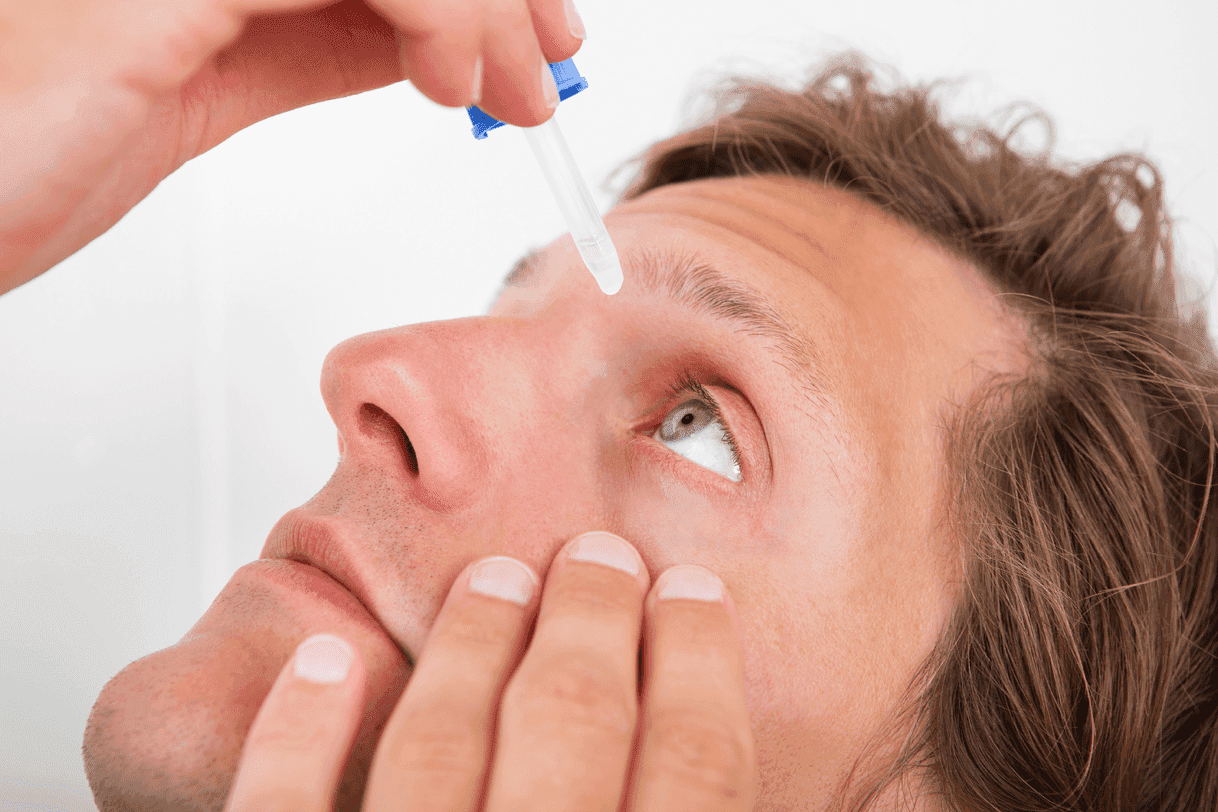
These are the first-line treatment. One or more drops a day lower eye pressure. They must be taken every day, without interruption.
Laser
Selective laser trabeculoplasty (SLT) improves the drainage of fluid from the eye in a few minutes, without incision. It can replace or reduce eye drops. For narrow angles, a laser iridotomy creates a small opening in the iris to prevent an acute glaucoma attack.
Minimally invasive surgery (MIGS)
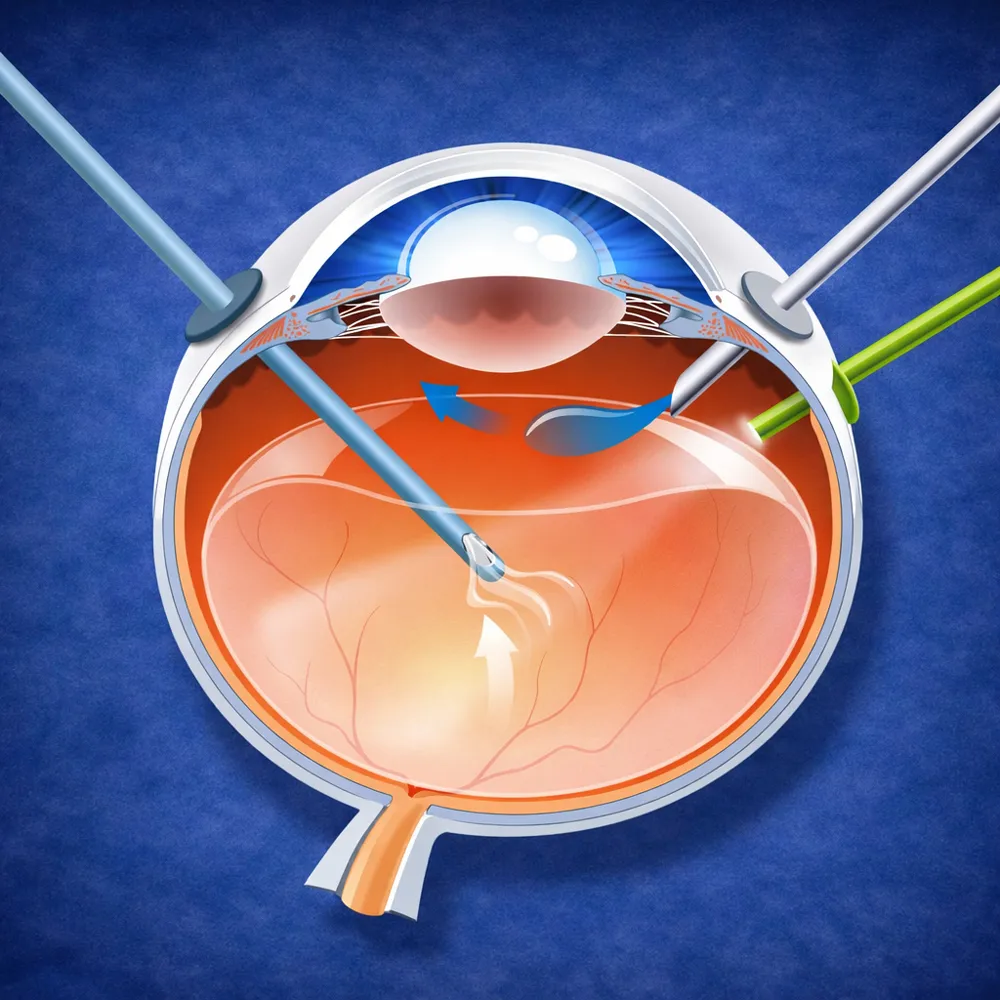
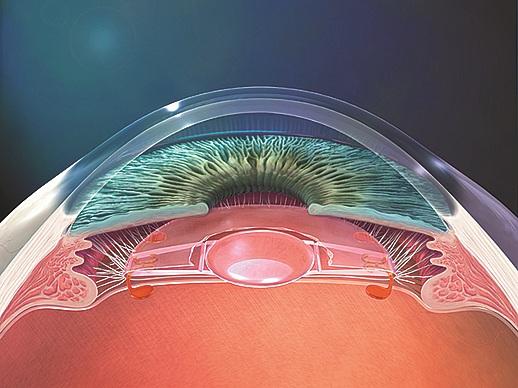
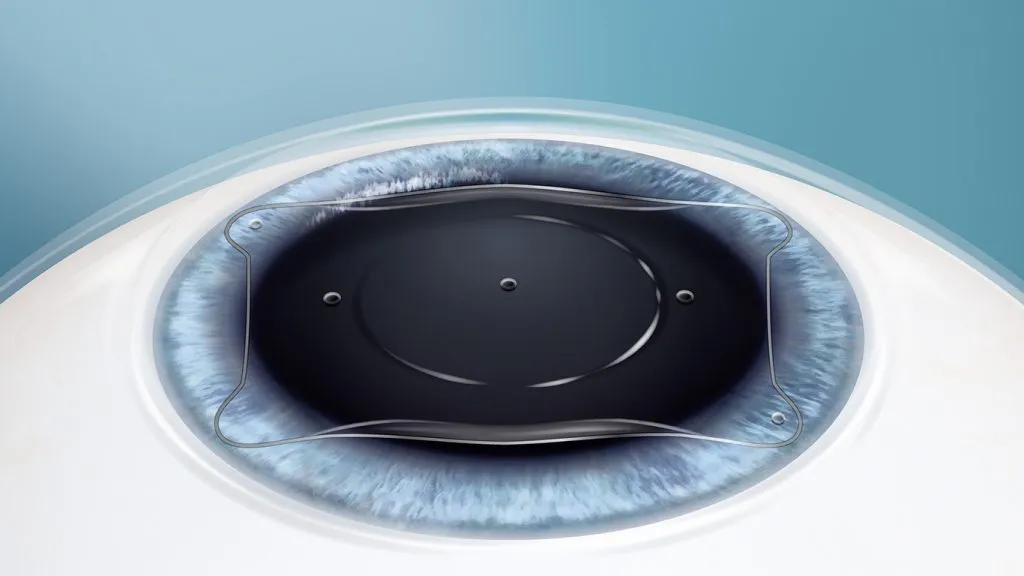
Tiny implants (iStent, Hydrus, PreserFlo, XEN) create a new drainage pathway, through a micro-incision. Recovery is quick. They are mainly suited to early or moderate glaucoma, and can be placed during cataract surgery.
Filtering surgery: trabeculectomy and valves
For more advanced or poorly controlled glaucoma, trabeculectomy creates a drainage route under the eyelid. It remains the most effective surgery for achieving low pressure. In difficult glaucoma, a drainage valve can be fitted.
How does treatment work in Turkey, step by step?
- You send your file. Your latest visual fields, OCT, pressure measurements and list of eye drops. You receive an opinion and a quote.
- Day 1: full assessment and consultation with the surgeon, who confirms the treatment.
- Day 2: the treatment. Laser in a few minutes, or 30 to 60 minutes of surgery under local anesthesia, usually without a hospital stay.
- Check-ups. The next day, then, after surgery, around day 7.
- Return, with your report and an eye drop prescription to adjust with your ophthalmologist.
After treatment
Continue your eye drops exactly as instructed: some are stopped for the operated eye, others are not. Avoid rubbing the eye, swimming pools and strenuous exertion for 2 to 4 weeks after surgery. Flying is usually possible a few days later, with the surgeon’s approval. Follow-up continues for life near home, with pressure, visual field and OCT checks.
What are the risks of glaucoma treatment?
Lasers are very well tolerated. Surgery is more effective but requires close follow-up in the first weeks. Most side effects are temporary.
| Possible effect | After which treatment | Good to know |
|---|---|---|
| Mild inflammation, slightly blurred vision | Laser | Passes within a few hours to a few days |
| Pressure too low or too high at first | Surgery | Adjusted at check-ups, sometimes with a minor procedure |
| Faster cataract | Filtering surgery | It can be operated on normally |
| Effectiveness decreasing over time | Laser, surgery | A new treatment is possible if needed |
How to choose your clinic and quote?
A low price is not enough. Ask the hospital these questions before committing:
- Is the hospital authorized by the Turkish Ministry of Health to treat international patients?
- Who will perform the treatment, and how experienced are they with this technique?
- Is the surgeon a glaucoma specialist, and which techniques do they perform (laser, MIGS, trabeculectomy, valves)?
- Are a recent visual field test and OCT done before deciding on treatment?
- Who takes care of a complication, on site and after your return home?
- What ophthalmological follow-up is planned, and with whom?
What a good quote should specify
- The name of the hospital and the doctor
- The tests, anesthesia, hospital stay and medication included
- The number of nights in hospital and at the hotel, and the transfers
- What happens in case of complication or cancellation
- The follow-up offered after your return
Also budget for your flight and follow-up consultations. Planned treatment in Turkey is usually not covered by public health insurance: ask your insurer in writing before committing.
Take time to think, and be wary of any offer that pushes you to decide quickly.
Our partner hospitals in Turkey








Frequently asked questions about glaucoma treatment in Turkey
How much does glaucoma treatment cost in Turkey?
The price depends on the treatment: SLT laser or iridotomy costs much less than surgery, and minimally invasive surgery with an implant is more expensive than trabeculectomy. It is usually lower than private prices in Western Europe or North America. The exact price appears on your free quote.
Can glaucoma be cured?
Glaucoma cannot be cured, but it can be controlled very well: lowering eye pressure stops or greatly slows vision loss. Vision already lost does not come back, hence the value of treating early and keeping up follow-up for life.
Can laser replace eye drops?
Often, yes, at least for several years. SLT trabeculoplasty allows many patients to stop or reduce their eye drops. Its effect may decrease over time, and it can then be repeated.
How long do I need to stay in Turkey?
For laser, 2 to 3 days is usually enough. For surgery, allow 7 to 10 days, to have the next-day and first-week check-ups before going home.
Should I stop my eye drops before leaving?
No, never without your ophthalmologist’s advice: stopping eye drops can raise pressure and damage the optic nerve. Bring your eye drops and their prescription, and follow the instructions given after treatment.
Which documents should I send to get an opinion?
Send your latest visual fields, optic nerve OCT, eye pressure measurements, the list of your eye drops and your medical history (eye surgery, other illnesses). With these, the team can suggest suitable treatment.
Is treatment in Turkey covered by insurance?
Glaucoma treatment is usually covered by health insurance when done at home, but planned treatment in Turkey is usually not reimbursed. Ask your insurer in writing before committing.
Request a free medical opinion and quote
Send us your complete medical file: eye examination reports, imaging and glasses prescription. The medical team will review it, and you will receive a detailed medical opinion and an estimated quote.