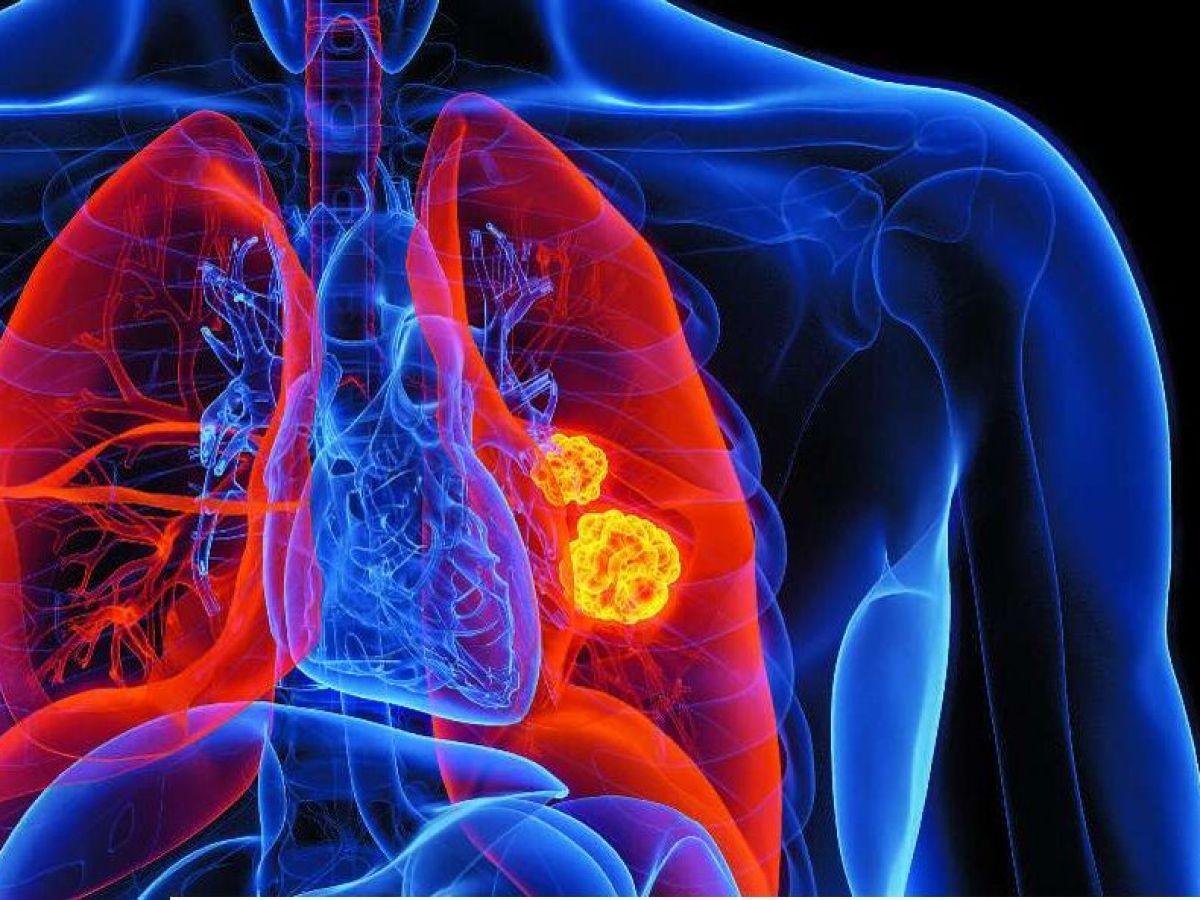
Leukemia treatment in Turkey: specialized hematologists and bone marrow transplants
Types of leukemia, symptoms, diagnosis, chemotherapy, targeted therapy, bone marrow transplant and care in Turkey: everything you need to know.
What does leukemia treatment in Turkey involve?
Leukemia is a cancer of the blood cells that starts in the bone marrow. There are acute leukemias, which progress quickly and must be treated without delay, and chronic leukemias, which progress slowly. Treatments have advanced greatly: many leukemias are now treated very successfully.
Leukemia treatment in Turkey is provided by hematologists in specialized centers in Istanbul, Ankara and Izmir, authorized by the Turkish Ministry of Health. Depending on the type of leukemia, it relies on chemotherapy, targeted therapy in tablet form, immunotherapy and, for some patients, a bone marrow transplant. A recently diagnosed acute leukemia must be treated urgently near home; Turkey is mainly sought for a second opinion, a bone marrow transplant, a relapse or follow-up of chronic leukemia. The price is set in a free quote.
TurquieMed organizes your stay: forwarding your file to the oncology team, opinion and detailed quote within 48 hours, airport pick-up, transfers, hotel, interpreter and 7-day-a-week assistance.
- First opinion
- Within 48 hours, based on your file
- Treatments
- Chemotherapy, targeted therapy, immunotherapy, transplant
- Duration
- From a few weeks to several months
- Follow-up
- Regular blood tests, with your hematologist
How much does leukemia treatment cost in Turkey?
The price depends on the type of leukemia and the treatment: a second-opinion consultation, targeted therapy in tablet form and a bone marrow transplant do not cost the same at all. The transplant is the largest item, as it requires several weeks in hospital in a protected room. For a comparable level of care, the total cost in Turkey is often significantly lower than in Western Europe or North America.
Your free quote is prepared after your file has been reviewed. It details each step: tests, treatment, hospital stay, medication, follow-up tests, accommodation, transfers and interpreter.
Why have leukemia treated in Turkey?
Leukemia treatment relies on highly specialized hematology teams and access to the latest treatments. Turkey’s major centers have dedicated departments, used to caring for international patients.
- Dedicated hematology departments. Hematologists in reference centers treat all forms of adult leukemia, acute and chronic.
- A complete laboratory diagnosis. Bone marrow aspiration, cytogenetics and molecular biology identify the abnormalities of the leukemia, which guide the choice of treatment.
- Bone marrow transplant units. Several hospitals have protected rooms and transplant teams, for both autologous and allogeneic transplants.
- Access to targeted therapies. Tyrosine kinase inhibitors, targeted therapies and immunotherapies are offered according to the profile of the leukemia.
- A quick second opinion. Your file can be reviewed within days, to confirm a diagnosis or suggest another option after a relapse.
What are the causes and risk factors of leukemia?
In most cases, no cause is found for leukemia. Some factors are however known to increase the risk:
- exposure to radiation: at high doses;
- certain chemicals: such as benzene, found in industry and tobacco smoke;
- chemotherapy or radiotherapy: received for another cancer;
- certain genetic conditions: such as Down syndrome;
- age: acute myeloid leukemia and chronic leukemias are more common after 60.
Leukemia is not contagious and, apart from rare exceptions, is not hereditary: it is not caused by anything you did.
What are the symptoms of leukemia?
Symptoms come from the drop in normal blood cells. They may include:
- severe tiredness and paleness, due to anemia;
- repeated infections or unexplained fever;
- bleeding: easy bruising, bleeding gums or nosebleeds;
- swollen lymph nodes, bone pain or an enlarged spleen;
- weight loss or night sweats.
Chronic leukemias are often discovered by chance, on a simple blood test. These symptoms most often have another cause, but if they persist, see your doctor, who will prescribe a blood count.
How is leukemia diagnosed?
Blood test and bone marrow aspiration
The blood count shows an abnormality in the blood cells. A bone marrow aspiration, a sample of bone marrow taken under local anesthesia, confirms the diagnosis and specifies the type of leukemia.
Genetic tests
Cytogenetics and molecular biology look for specific abnormalities (Philadelphia chromosome, FLT3 and NPM1 mutations…), which point to targeted treatment and help assess the prognosis.
The main types
Acute myeloid leukemia (AML), acute lymphoblastic leukemia (ALL), chronic myeloid leukemia (CML) and chronic lymphocytic leukemia (CLL): each has its own treatment.
What are the types of leukemia and the chances of cure?
For leukemia, doctors do not talk about stage: treatment depends mainly on the type of leukemia and its genetic abnormalities.
| Type | Who is affected | Course and treatment |
|---|---|---|
| Acute lymphoblastic leukemia (ALL) | Mainly children, sometimes adults | Fast; intensive chemotherapy, sometimes a transplant |
| Acute myeloid leukemia (AML) | Mainly adults, more often after 60 | Fast; intensive chemotherapy, often a transplant |
| Chronic myeloid leukemia (CML) | Adults | Slow; tablets (tyrosine kinase inhibitors) |
| Chronic lymphocytic leukemia (CLL) | Mainly after 60 | Very slow; monitoring alone, then targeted treatment if needed |
The chances of cure vary greatly depending on the type, age and genetic abnormalities. In children, ALL is cured in the large majority of cases. CML is controlled for many years with tablets. For acute leukemias in adults, a bone marrow transplant cures many patients.
What are the treatments for leukemia?
Treatment depends on the type of leukemia, its genetic abnormalities, age and general health. It is decided by a multidisciplinary hematology board.
Chemotherapy
For acute leukemias, intensive chemotherapy in hospital first aims to eliminate the leukemic cells (remission), then to consolidate this result.
Targeted therapy
For chronic myeloid leukemia, tablets (tyrosine kinase inhibitors) control the disease for many years in most patients. Other targeted therapies exist for some acute leukemias and for chronic lymphocytic leukemia.
Immunotherapy
Antibodies and other immunotherapies help the immune system eliminate leukemic cells, particularly in some lymphoblastic leukemias.
Bone marrow transplant
For some high-risk or relapsed acute leukemias, a bone marrow transplant from a donor can lead to a lasting cure.
How does your care in Turkey work?
- You send your file. Your complete medical file: blood tests, bone marrow aspiration and genetic test results. You receive an opinion and a quote.
- Arrival and tests. Consultation with the hematologist, blood tests and additional examinations.
- The treatment. Depending on your case: a second-opinion consultation, starting targeted therapy, a cycle of chemotherapy or a bone marrow transplant.
- The return. You leave with your report and protocol, for follow-up coordinated with your hematologist.
The length of stay ranges from a few days for a second opinion to several weeks for a bone marrow transplant.
Follow-up after treatment
Follow-up relies on regular blood tests and, depending on the case, bone marrow aspirations or molecular tests that measure residual disease. It takes place close to home, with your hematologist, based on the reports handed to you before your return.
What are the possible side effects?
Current treatments are better tolerated than before, and hematology teams prevent most side effects.
| Effect | After which treatment | Good to know |
|---|---|---|
| Tiredness, nausea, hair loss | Chemotherapy | Temporary, prevented by suitable treatments |
| Low blood counts, risk of infection | Chemotherapy, transplant | Close monitoring and a protected room if needed |
| Digestive problems, cramps, skin reactions | Targeted therapy | Usually moderate; the dose can be adjusted |
How to choose your hospital and quote?
A low price is not enough. Ask the hospital these questions before committing:
- Is the hospital authorized by the Turkish Ministry of Health to treat international patients?
- Who will perform the treatment, and how experienced are they with this technique?
- Does the center have a hematology department and a bone marrow transplant unit, with protected rooms?
- Are the genetic tests of the leukemia taken into account before choosing the treatment?
- Who takes care of a complication, on site and after your return home?
- What medical follow-up is planned, and with whom?
What a good quote should specify
- The name of the hospital and the doctor
- The tests, anesthesia, hospital stay and medication included
- The number of nights in hospital and at the hotel, and the transfers
- What happens in case of complication or cancellation
- The follow-up offered after your return
Also budget for your flight and follow-up consultations. Planned treatment in Turkey is usually not covered by public health insurance: ask your insurer in writing before committing.
Take time to think, and be wary of any offer that pushes you to decide quickly.
Our partner hospitals in Turkey






Frequently asked questions about leukemia treatment in Turkey
How much does leukemia treatment cost in Turkey?
The price depends on the type of leukemia and the treatment: a second opinion, targeted therapy in tablet form and a bone marrow transplant do not cost the same. It is usually significantly lower than prices in Western Europe or North America. The exact price appears on your free quote, prepared after your file has been reviewed.
Can leukemia be cured?
Yes, in many cases. Many acute leukemias go into remission with chemotherapy, and some are cured with a bone marrow transplant. Chronic myeloid leukemia is usually controlled for many years with tablet treatment. The prognosis depends on the type of leukemia and its genetic abnormalities.
Should I come to Turkey for acute leukemia?
A recently diagnosed acute leukemia must be treated urgently, without waiting to travel: start treatment near home. Turkey can then help with a second opinion, a bone marrow transplant or in case of relapse.
How long do I need to stay in Turkey?
A few days for a second opinion, about a week to start targeted therapy, and several weeks for a bone marrow transplant, with close follow-up after discharge from hospital.
Which documents should I send to get an opinion?
Send your latest blood tests, bone marrow aspiration, cytogenetics and molecular biology reports, the list of treatments already received and your medical history. With these, the hematologist can give a first opinion within a few days.
Can I continue treatment in my home country?
Yes. The protocol established in Turkey can be continued with your hematologist near home, based on the detailed reports handed to you before your return.
Is treatment in Turkey covered by insurance?
Planned treatment in Turkey is usually not covered by public health insurance systems, which generally only reimburse urgent and unforeseen care abroad. Some private insurers and international health plans do cover treatment abroad: ask your insurer in writing before committing, and keep all your invoices and medical reports.
Request a free medical opinion and quote
Send us your complete medical file: reports, imaging and test results. The medical team will review it, and you will receive a detailed medical opinion and an estimated quote.