Gastric sleeve in Turkey: the most widely performed obesity surgery
Everything you need to know about the gastric sleeve in Turkey: who it is for, preparation, the operation, eating afterwards, risks, follow-up and price.
What is a gastric sleeve in Turkey?
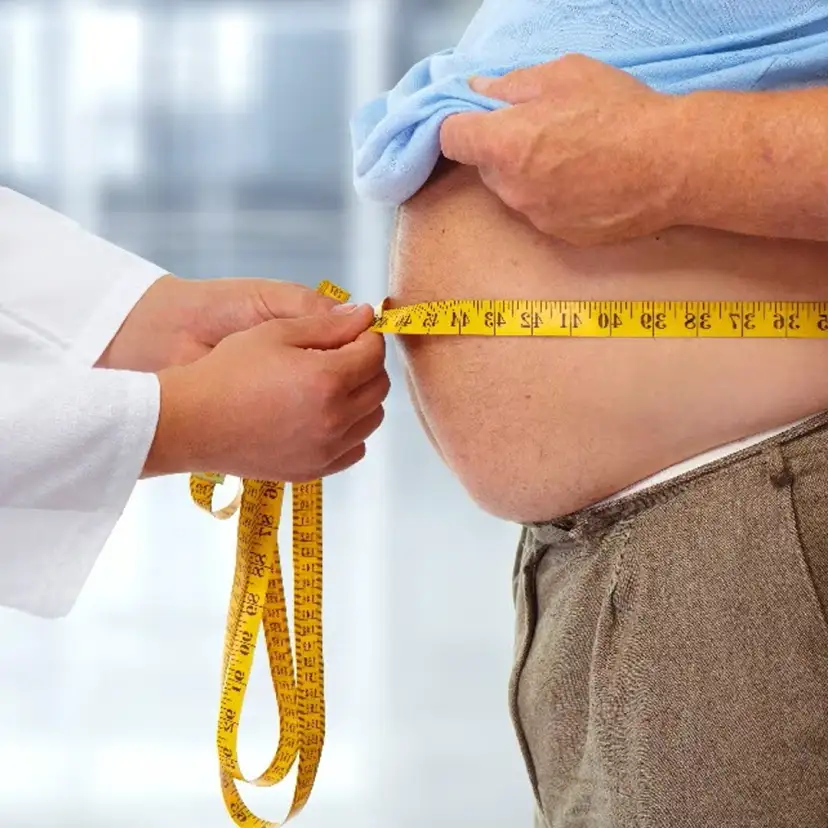
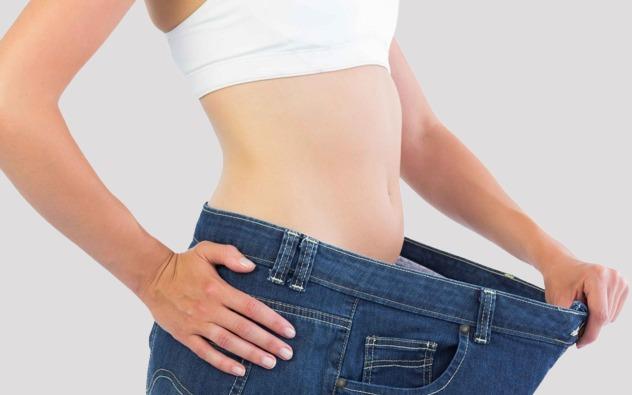
A gastric sleeve in Turkey is intended for adults with a BMI of at least 40, or at least 35 with a weight-related condition such as type 2 diabetes, high blood pressure or sleep apnea, after medical and dietary follow-up has failed. The surgeon removes about three quarters of the stomach by laparoscopy, under general anesthesia, in 1 to 2 hours. The operation is permanent and leads to an average loss of 25 to 30% of body weight in the first year. Plan on 5 to 7 days in Turkey, including 2 to 3 nights in hospital. With TurquieMed, prices start from €2,800.
TurquieMed organizes your stay: review of your file by a surgeon, opinion and detailed quote within 48 hours, airport pick-up, transfers, hotel, interpreter and 7-day-a-week assistance.
To choose well, check the surgeon’s experience in obesity surgery, the hospital’s facilities, particularly its intensive care unit, and the medical and nutritional follow-up planned after your return.
- Technique
- Laparoscopy, with a camera and small incisions
- Anesthesia
- General
- Hospital stay
- Usually 2 to 3 nights
- Follow-up
- Medical and nutritional, for life
How much does a gastric sleeve cost in Turkey?
With TurquieMed, a gastric sleeve in Turkey costs from €2,800. The final price depends on the hospital, the surgeon, the pre-operative tests and the number of nights in hospital and at the hotel. It appears on your free quote, prepared after your medical file has been reviewed.
Gastric sleeve package
- VIP airport transfer
- 3 nights in a 4* hotel (breakfast)
- Pre-operative tests (blood tests, gastroscopy, ultrasound)
- TurquieMed assistance 7 days a week
- Hotel / clinic transfers
- Consultation with the surgeon and anesthetist
- Medication in hospital
- 3 meals a day in the clinic
- 3 nights in hospital
- Your laparoscopic operation
- Interpreter service in the clinic
- Check-up visit before departure
Package price
from €2,800
Indicative, non-contractual price. The final price is set in a personalized quote, after your medical file has been reviewed, and may be higher. Flight, vitamins, follow-up after your return and any additional tests not included, unless stated on your quote.
Why have a gastric sleeve in Turkey?

The gastric sleeve is the most widely performed obesity operation in the world, and one of the most requested in Turkey by international patients: bariatric surgeons in major centers perform it every day.
Doctors qualified in obesity surgery
A gastric sleeve requires a surgeon trained in bariatric surgery and a team used to these operations: anesthetist, nurses, dietitian. In Turkey, many qualified surgeons perform this operation. Before deciding, ask for the surgeon’s name, specialty and experience with the sleeve.
Operating rooms equipped for obesity surgery
Modern hospitals in Turkey welcome international patients in departments equipped for surgery, with operating rooms, intensive care and private rooms depending on the hospital. Several Turkish hospitals have been awarded international JCI accreditation. Always ask which accreditations and authorizations the proposed hospital holds.
A minimally invasive technique
Depending on the hospital, a gastric sleeve in Turkey can rely on advanced technology:
- laparoscopy, with a camera and small incisions;
- surgical staplers that cut and seal the stomach;
- imaging and endoscopy for the pre-operative assessment;
- robot-assisted surgery in some hospitals;
- continuous monitoring after the operation.
Authorized, regulated hospitals
Since April 2025, hospitals that operate on international patients must hold a specific authorization from the Turkish Ministry of Health: a guarantee of oversight for an operation as significant as the sleeve.
A fully organized 5 to 7 day stay
Pre-operative tests, 3 nights in hospital, hotel, transfers and interpreter are organized by TurquieMed, with assistance available 24/7 throughout your stay and after your return.
How does a gastric sleeve work?
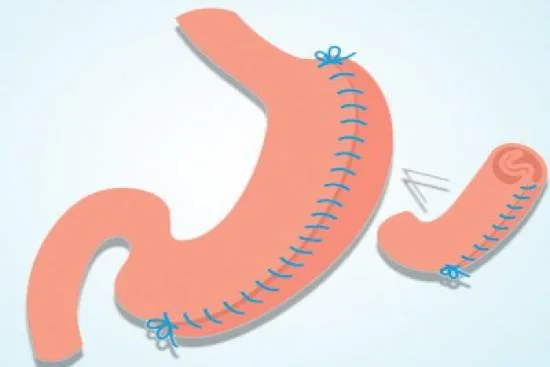
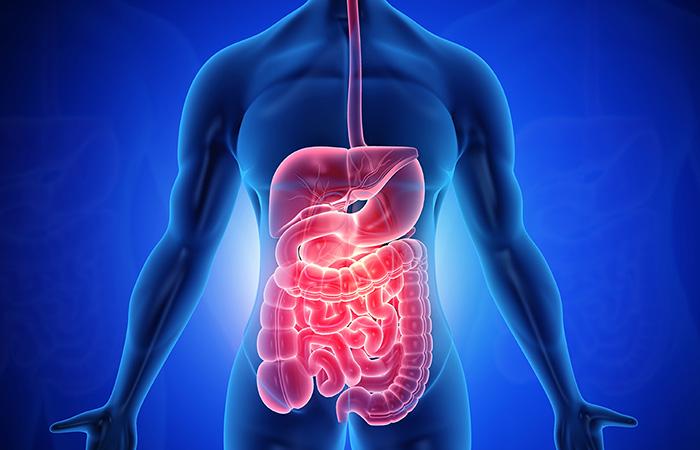
The gastric sleeve, also called sleeve gastrectomy or vertical sleeve gastrectomy, is a reduction of the stomach. The surgeon removes the left part of the stomach and keeps a narrow tube, normally connected to the intestine.
A smaller stomach
The stomach holds much less food. You feel full with smaller portions, which reduces intake and helps you lose weight.
An effect on hunger
The removed part produces much of the ghrelin, a hormone linked to appetite. Many patients feel less hungry, but this effect varies from person to person.
A permanent operation
The removed part of the stomach cannot be put back. This is why the decision is made after complete information and time to think.
Gastric sleeve or another obesity treatment?
The sleeve is not the only solution. It is today the most widely performed obesity operation, but other techniques may be better suited depending on your BMI, your health conditions, any reflux and the result you are aiming for. The surgeon will guide you after reviewing your file.
| Criterion | Gastric sleeve | Gastric balloon | Gastric botox | Gastric band | Gastric plication | Gastric bypass |
|---|---|---|---|---|---|---|
| Price in Turkey | From €2,800 | From €1,500 | From €1,500 | From €3,900 | €3,500 to €4,500 | From €4,000 |
| Technique | Laparoscopy | Endoscopy, no incision | Endoscopy, no incision | Laparoscopy | Laparoscopy | Laparoscopy |
| Procedure time | 1 to 2 hours | 20 to 30 minutes | 15 to 20 minutes | 1 to 2 hours | 1 to 2 hours | 2 to 3 hours |
| Average weight loss | 25 to 30% of body weight in the 1st year | 10 to 15% of body weight in 6 months | Modest, a few kilos | 15 to 20% of body weight | 20 to 25% of body weight | 30 to 35% of body weight |
| Reversible | No | Yes (temporary) | Yes (temporary effect) | Yes | Partly | Difficult |
| Changes to the intestine | No | No | No | No | No | Yes |
| Risk of deficiencies | Moderate | Low | Low | Low | Low | High |
These figures are indicative and vary between patients, surgeons and techniques.
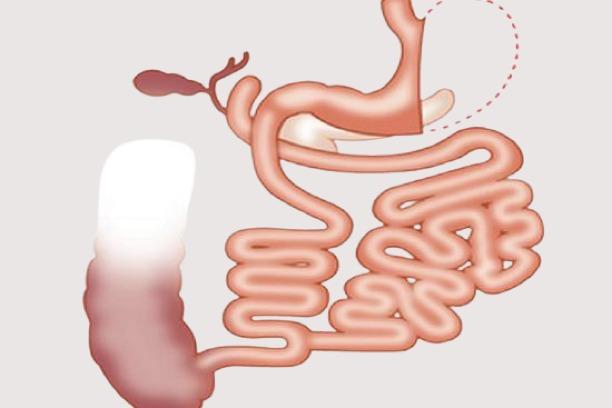
Gastric bypass
The surgeon reduces the stomach and routes food directly to a lower part of the intestine. Bypass has a strong effect on weight, type 2 diabetes and reflux: it is often preferred in case of severe reflux. On the other hand, deficiencies are more frequent and vitamins are needed for life. Read our guide to gastric bypass in Turkey.
Gastric band
An adjustable band is placed around the top of the stomach to limit quantities. It can be removed, but it is used less today, as its results are less lasting and repeat operations more frequent than with the sleeve or bypass. Read our guide to the gastric band in Turkey.
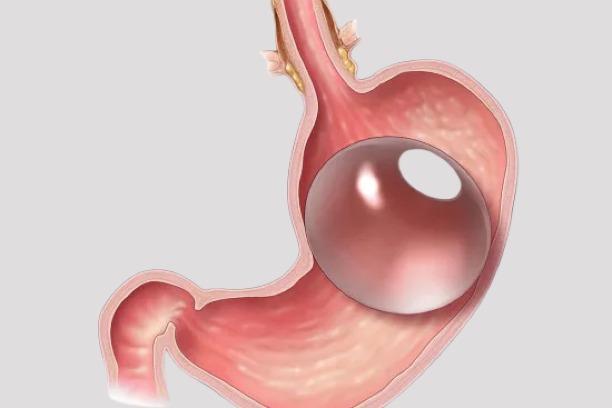
Gastric balloon
A soft balloon is placed in the stomach by endoscopy, without surgery, for 4 to 12 months. It leads to an average loss of 10 to 15% of body weight, with a risk of regain after removal. It is better suited to a BMI between 27 and 40, or to people who do not want surgery. Read our guide to the gastric balloon in Turkey.
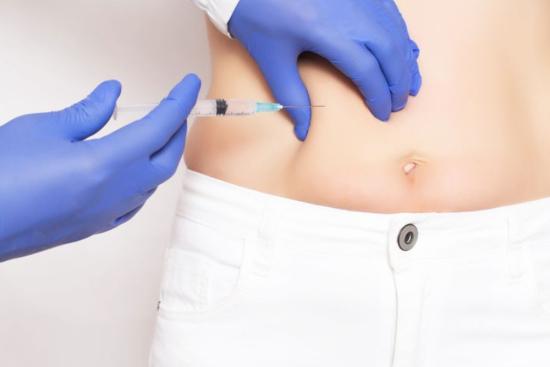
Gastric botox
The doctor injects botulinum toxin into the stomach wall by endoscopy, to slow emptying and delay hunger. The procedure is quick, but its effect is modest and lasts only a few months. Scientific studies on this technique remain limited. Read our guide to gastric botox in Turkey.
Who can have a gastric sleeve?
Obesity surgery is usually reserved for adults who meet these conditions:
- a BMI of at least 40, or at least 35 with a condition that can improve after the operation, such as type 2 diabetes, high blood pressure or sleep apnea;
- failure of well-conducted medical, nutritional and psychological care for 6 to 12 months;
- an acceptable surgical risk;
- acceptance of lifelong medical and surgical follow-up.
The 2022 international ASMBS and IFSO guidelines are broader: they accept a BMI of at least 35, or 30 to 34.9 with a metabolic disease. The decision rests with the surgeon.
To calculate your BMI, divide your weight by your height squared: 110 kg for 1.70 m gives a BMI of 38.
When the operation may not be recommended
Some situations may rule out the operation, sometimes temporarily: severe psychiatric disorders, unstable eating disorders, alcohol or substance dependence, a contraindication to anesthesia, or inability to follow lifelong medical treatment. The sleeve is not recommended in case of severe reflux or Barrett’s esophagus: a bypass is then often preferable.
How to prepare for your gastric sleeve?
Your medical file
For an initial review, prepare the following:
- your weight, height and weight history;
- your illnesses and past operations;
- your current treatments and allergies;
- your recent blood tests and examinations.
Your physical preparation
The surgeon may ask you to stop smoking and follow a diet in the days or weeks before the operation. Mention all your medication, especially blood thinners and diabetes treatments. Do not stop them without medical advice.
Your trip to Turkey
Bring your passport, prescriptions, test results and loose clothing. Book a flexible return ticket and come with a companion if possible. Also check what your travel insurance covers.
How does your gastric sleeve in Turkey work, step by step?
- You send your file. Weight, height, medical history, current treatments and latest tests.
- The surgeon reviews it. They tell you whether the operation is possible and which tests are needed.
- You receive your quote. It specifies the hospital, the stay and what is included.
- You have your check-up on site. Consultation with the surgeon and pre-operative tests.
- You have the operation. The team monitors you during your hospital stay and gives you your eating plan.
- You go home with your file. Reports and prescriptions are to be given to your doctor for the follow-up.
In many countries, the pre-operative assessment takes several months and includes a nutritional assessment, a psychological evaluation and an endoscopy. Take the time to prepare it with your doctor before you leave.
What happens on the day of the operation?
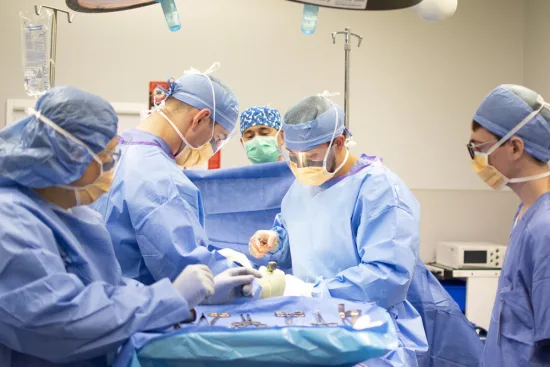
You arrive without having eaten, following the hospital’s instructions. The anesthetist sees you again before the operation, which is performed under general anesthesia.
Through small incisions, the surgeon inserts a camera and instruments. They staple the stomach along its length and remove the freed part.
After the operation, the team monitors your pulse, temperature, pain and return to drinking. Walking early helps limit the risk of blood clots. Anticoagulant injections may be prescribed.
After the operation: eating, weight and follow-up
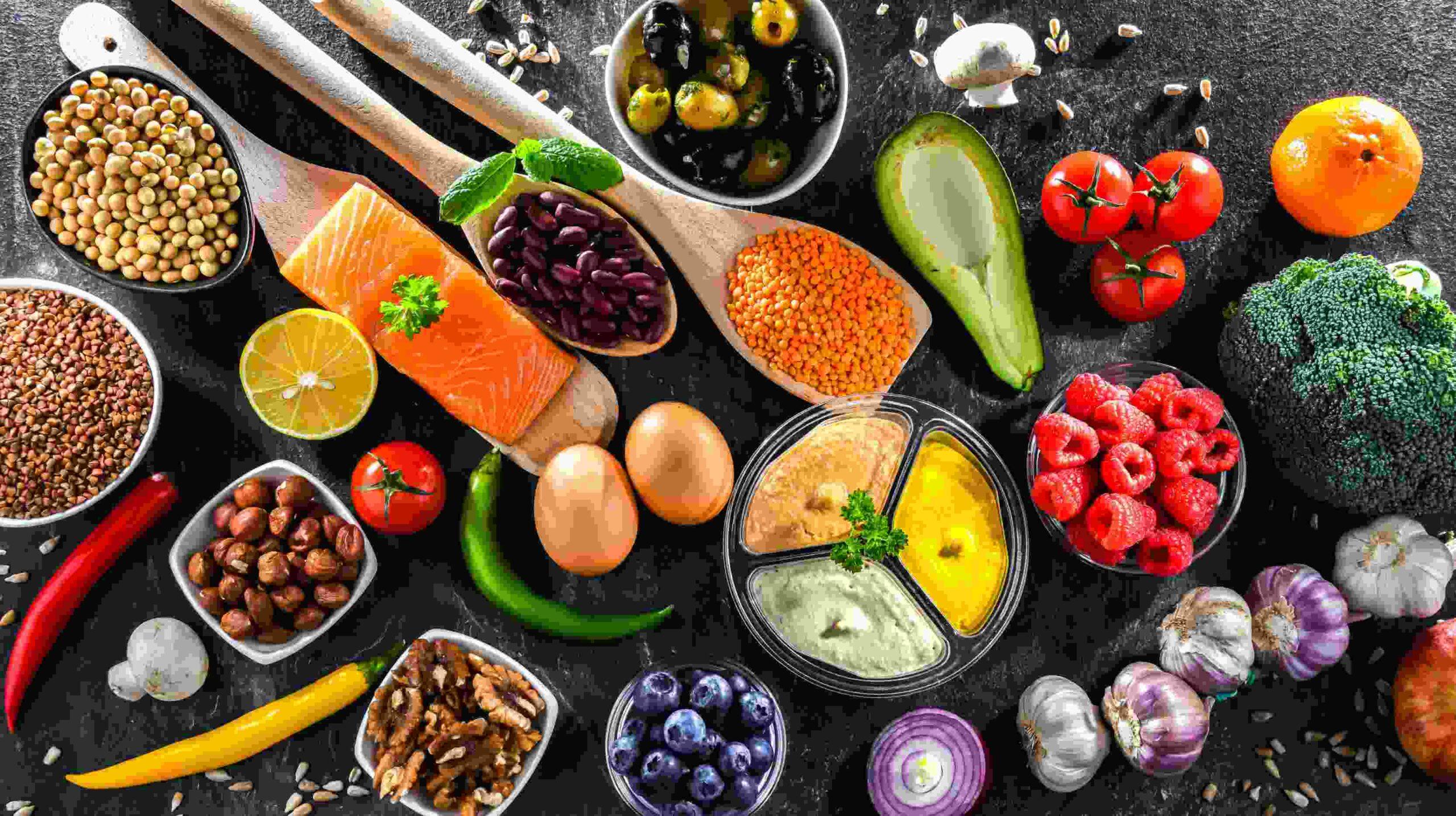
Your team gives you a precise plan. It usually follows these stages, whose length varies between hospitals:
| Stage | Foods | Goal |
|---|---|---|
| Liquid | Water, broths, approved drinks | Let the stomach heal and stay well hydrated |
| Puréed or semi-liquid | Smooth purées, stewed fruit, dairy | Gently resume protein intake |
| Soft texture | Soft, well-cooked foods | Relearn to chew thoroughly |
| Solid | Varied diet in small portions | Keep good habits in the long term |
Good habits
- take small bites and chew well;
- stop as soon as you feel full;
- drink often, in small sips, between meals;
- favor protein;
- limit fizzy drinks, sugar and very fatty foods.
Weight loss
It varies greatly from person to person. It also depends on your diet, physical activity and follow-up. No result can be guaranteed, and weight regain remains possible.
Lifelong follow-up
Before you leave, find out who will follow you at home: your family doctor, a nutritionist or a specialized center. Follow-up includes consultations and blood tests, with vitamins or minerals if needed.
Pregnancy
Guidelines recommend contraception from the moment the operation is scheduled and for 12 to 18 months afterwards. Discuss any pregnancy plans with your medical team.
Daily life after a gastric sleeve
Physical activity
Walking resumes very quickly. Sport is resumed gradually, following your doctor’s advice. Regular activity helps preserve muscle and stabilize weight.
Work
The date you return depends on your recovery and your job. Returning after a few weeks is common. Your doctor will confirm it.
Medication
Unless advised otherwise by a doctor, avoid aspirin, anti-inflammatories and other medication that irritates the stomach. Always tell your doctors and pharmacist about your operation.
Skin and hair
Temporary hair loss is possible during rapid weight loss. Excess skin may also appear. Reconstructive surgery can be considered 12 to 18 months after the operation, once your weight is stable.
Psychological support
The sleeve changes your relationship with food and with your body. Psychological support can help, especially in case of eating disorders.
What are the risks of a gastric sleeve?
The gastric sleeve is today the most widely performed obesity operation in the world. Done by laparoscopy, through small incisions, it allows a quick recovery: most patients walk the next day and leave hospital after 2 to 3 nights. Serious complications are rare and, when they occur, they are usually detected and treated during the hospital stay. The figures below vary between patients and teams.
The most common effects
| Effect | What it is | Good to know |
|---|---|---|
| Tiredness and pain in the first days | Normal after the operation | Relieved by medication, they ease within a few days |
| Reflux | Acid coming back up | Common, usually well treated with medication |
| Deficiencies | Lack of vitamins or minerals | Prevented by vitamins and follow-up blood tests |
| Hair loss | Linked to rapid weight loss | Temporary, between the 3rd and 6th month |
Rare complications
They are uncommon, but it is important to know them so you can react quickly if a symptom appears.
| Complication | What it is | Frequency |
|---|---|---|
| Staple line leak | The stomach staple line is not watertight | About 1 to 3%, monitored in hospital |
| Bleeding | Bleeding after the operation | About 1 to 2%, monitored in hospital |
| Blood clot | A clot in a vein | Rare, prevented by injections and compression stockings |
| Stomach narrowing | The passage through the stomach narrows | Less than 1% |
To reduce these risks, choose a surgeon experienced in obesity surgery, in a hospital with an intensive care unit, and follow your team’s instructions: walking from the next day, injections to prevent blood clots, step-by-step eating and taking your vitamins.
How to choose your hospital and quote?

A low price is not enough. Ask the hospital these questions before committing:
- Is the hospital authorized by the Turkish Ministry of Health to treat international patients?
- Who will perform the sleeve, and how experienced are they with this technique?
- Does the hospital have an intensive care unit?
- Which tests are done before the operation?
- Who takes care of a complication, on site and after your return home?
- What medical and nutritional follow-up is planned, and with whom?
What a good quote should specify
- The name of the hospital and the doctor
- The tests, anesthesia, hospital stay and medication included
- The number of nights in hospital and at the hotel, and the transfers
- What happens in case of complication or cancellation
- The follow-up offered after your return
Also budget for your flight and follow-up consultations. Planned treatment in Turkey is usually not covered by public health insurance: ask your insurer in writing before committing.
Take time to think, and be wary of any offer that pushes you to decide quickly.
Our partner hospitals in Turkey






Frequently asked questions about the gastric sleeve in Turkey
How much weight do you lose after a gastric sleeve?
In the first year, patients lose on average 25 to 30% of their starting weight, or 60 to 70% of their excess weight. For example, a person 1.65 m tall weighing 120 kg has about 52 kg of excess weight compared with a BMI of 25. They usually lose 30 to 36 kg and reach around 85 to 90 kg after 12 to 18 months. Weight loss is very fast at first: about half of the kilos go in the first 3 months. It then slows, and weight stabilizes 12 to 18 months after the operation. Regaining a few kilos is common from the second year. At 5 years, studies show that patients keep on average a loss of about 50 to 60% of their excess weight.
How long do I need to stay in Turkey after a sleeve?
Plan on 5 to 7 days. You have your tests and consultation with the surgeon on the day you arrive. The operation takes place the next day or the day after and lasts 1 to 2 hours. You then stay 2 to 3 nights in hospital, then 2 to 3 days at the hotel before a final check-up, when the surgeon gives you the go-ahead to fly. As the operation and the flight increase the risk of blood clots, anticoagulant injections are often prescribed for 10 days to 4 weeks, with compression stockings. During the flight, get up and walk every hour if possible, and drink in small sips.
What are the risks of a gastric sleeve?
The sleeve is a common, well-mastered operation. Serious complications are rare. The main one is a leak at the stomach staple line, affecting about 1 to 3% of patients, usually in the first days, while you are still monitored in hospital. Bleeding affects about 1 to 2% of patients and stomach narrowing less than 1%. In the longer term, reflux is the most frequent problem: it appears or worsens in about 20 to 30% of patients. It is usually treated with medication, but some patients need to be converted to a bypass, sometimes several years later. These risks are lower in teams that perform many sleeves: ask the surgeon how many they do each year.
What can you eat in the first weeks after a sleeve?
Eating resumes in four stages, adapted by your team. For the first 2 weeks, you only take liquids: water, broths, liquid dairy, protein drinks. In weeks 3 and 4, you move on to puréed foods. In weeks 5 and 6, you eat soft foods: eggs, fish, well-cooked vegetables, soft cheese. You return to normal eating at around 6 to 8 weeks, in small portions of 150 to 200 ml at first. Aim for at least 60 g of protein a day and drink 1.5 liters of water a day, in small sips, but never during meals: wait 30 minutes before and after.
Do you need to take vitamins for life after a sleeve?
Yes. You eat much less, and the reduced stomach absorbs some nutrients less well. The basic treatment includes a daily multivitamin and mineral supplement, vitamin D and often calcium, plus vitamin B12 and, for many women who still have periods, iron. Blood tests are recommended at 3, 6 and 12 months after the operation, then at least once a year, for life. Before you travel to Turkey, find the doctor who will prescribe these tests when you return.
When can I return to work, sport and normal life?
For office work, the return is usually after 2 to 3 weeks; for a physical job, allow 4 to 6 weeks. Walking starts the day after the operation and should become daily. More intense sports resume gradually from 4 to 6 weeks, with the surgeon’s approval. Avoid abdominal exercises and heavy lifting for at least 6 weeks. For pregnancy, wait 12 to 18 months after the operation. Alcohol acts faster and more strongly after a sleeve: be very careful with it, and never drive after drinking.
How much does a gastric sleeve cost in Turkey?
With TurquieMed, a gastric sleeve in Turkey costs from €2,800. The price varies with the hospital, the surgeon, the pre-operative tests, the number of nights in hospital and at the hotel, and the planned follow-up. A complete quote should include the pre-operative tests, the operation, anesthesia, hospital stay, discharge medication, hotel and transfers. The flight and lifelong vitamin supplements remain at your own expense.
Is a gastric sleeve covered by insurance?
Planned obesity surgery in Turkey is usually not covered by public health insurance systems, even when the same operation would be covered at home. Follow-up care at home is generally covered as usual. Some private insurers and international health plans do cover treatment abroad: ask your insurer in writing before you travel.
Your gastric sleeve project in Turkey
Send us your weight, height, medical history and current treatments. You will receive an opinion and a free quote after your file has been reviewed.