Lens implantation in Turkey: correcting vision when laser is not possible
ICL implant, lens replacement, criteria, procedure, risks and price: everything you need to know before lens implantation in Turkey.
What is lens implantation in Turkey?
High short-sightedness, a cornea too thin for laser, or presbyopia that means juggling several pairs of glasses: in these cases, a lens placed inside the eye can correct vision durably.
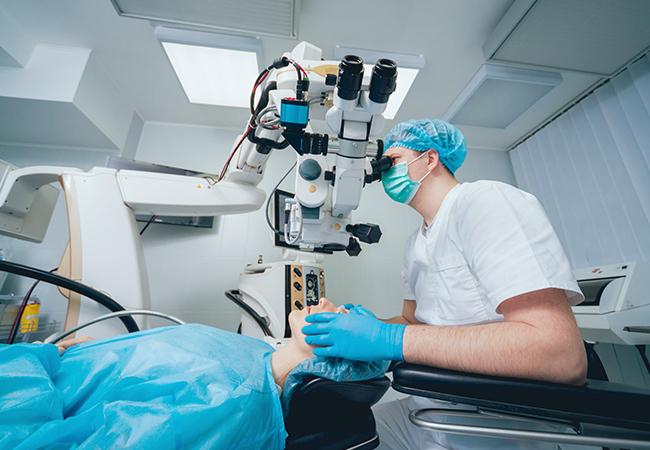
Lens implantation in Turkey covers two techniques. A phakic implant, such as the ICL, is slipped in front of your natural lens, which is kept: it suits younger people with high short-sightedness, long-sightedness or significant astigmatism. Replacing the clear natural lens with a multifocal implant is better suited after 50, to correct presbyopia as well and prevent a future cataract. The procedure takes 15 to 30 minutes per eye, under local anesthesia, with no hospital stay, and a stay of 4 to 6 days for both eyes. The price is set in a free quote.
TurquieMed organizes your stay: forwarding your file to the ophthalmology team, opinion and detailed quote within 48 hours, airport pick-up, transfers, hotel, interpreter and 7-day-a-week assistance.
To choose well, the key point is precise measurement of the eye before surgery (eye depth, corneal cells): it allows the implant and its size to be chosen safely.
- Duration
- 15 to 30 minutes per eye
- Anesthesia
- Local
- Hospital stay
- None, home the same day
- Stay for both eyes
- Usually 4 to 6 days
How much does lens implantation cost in Turkey?
The price depends on the type of implant (phakic ICL, toric implant for astigmatism, multifocal implant) and the number of eyes treated. Phakic implants are custom-made, which explains a higher price than laser surgery. For a comparable level of care, the total cost in Turkey is often significantly lower than in Western Europe or North America.
Your free quote is prepared after your file has been reviewed. It specifies the proposed implant, assessment, procedure, eye drops, check-ups, hotel, transfers and interpreter. Your flight is usually at your own expense.
Why have lens implants in Turkey?
Implanting a lens in the eye is precision surgery: the size of the implant must match the exact dimensions of your eye. Specialized Turkish clinics have the necessary measuring equipment and experience.
- Very precise eye measurements. Anterior chamber depth, eye diameter and corneal cell count are measured to choose the right implant size and ensure its safety.
- Custom-ordered implants. Phakic implants, such as the ICL, are made to your prescription: the clinic orders them before you arrive so as not to lengthen your stay.
- A solution for difficult cases. High short-sightedness, thin cornea or stabilized keratoconus: the implant corrects vision that laser cannot treat.
- Lens replacement after 50. To correct presbyopia too, surgeons offer multifocal or extended depth of focus implants, which also prevent a future cataract.
- Supervised follow-up. Eye pressure is checked on the same day and the next day, then an annual follow-up schedule is continued with your ophthalmologist.
Who is lens implantation for?
Phakic implant (ICL)
- between about 21 and 45, with vision stable for at least 1 year;
- high short-sightedness, usually −6 to −18, long-sightedness or significant astigmatism;
- a cornea too thin or irregular for laser, including some stabilized keratoconus;
- an eye deep enough at the front to hold the implant, which the assessment checks.
Lens replacement
- after about 50, when presbyopia adds to short- or long-sightedness;
- it replaces your natural lens with a multifocal or extended depth of focus implant, correcting distance and near vision;
- it also prevents a cataract from developing later.
If your prescription and cornea allow it, laser eye surgery is often the simplest option. The assessment helps decide.
How does the implant work?
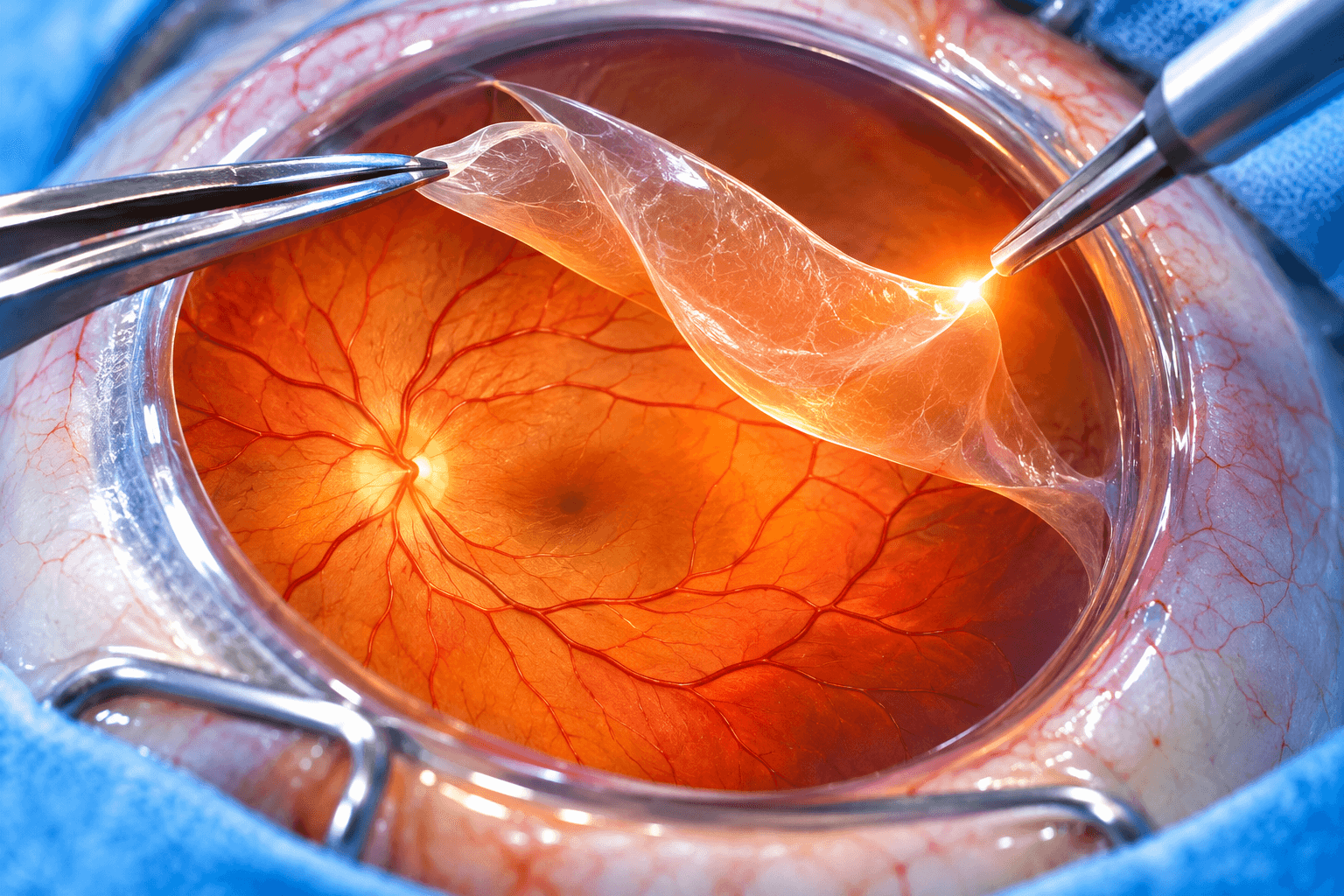
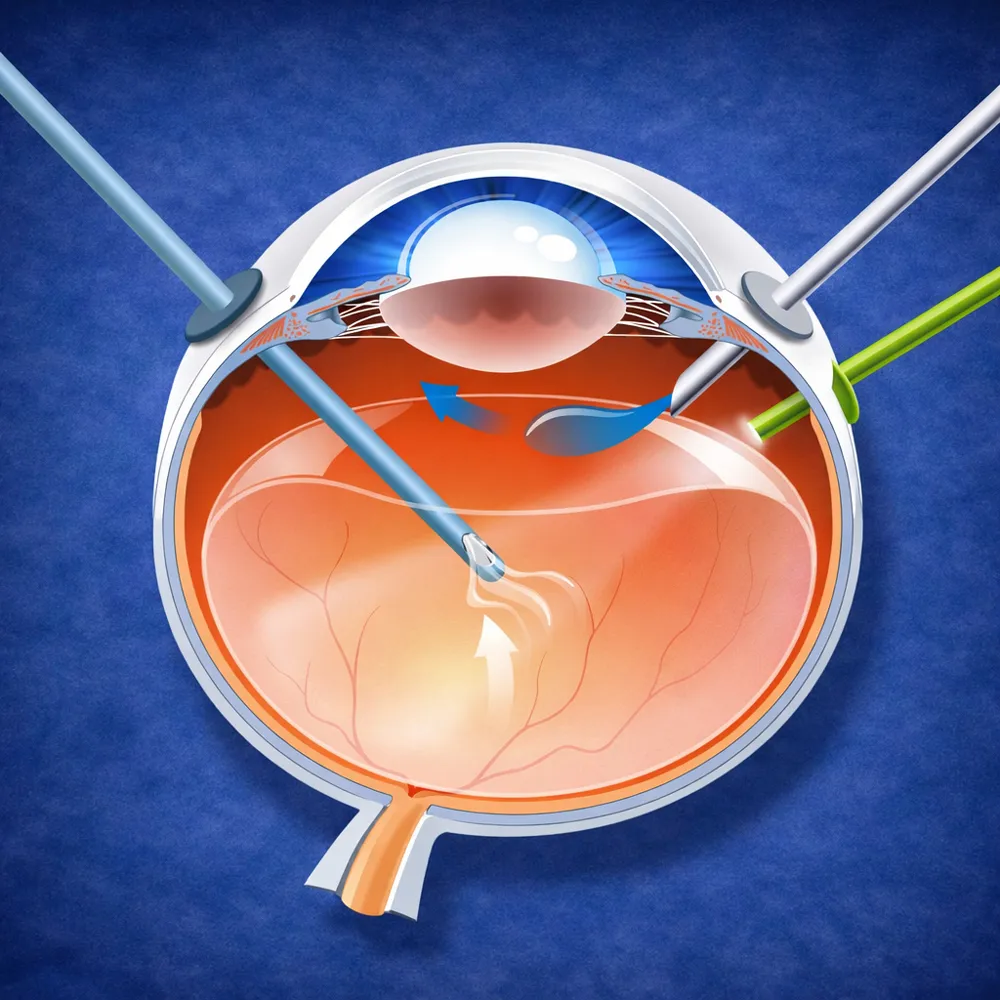
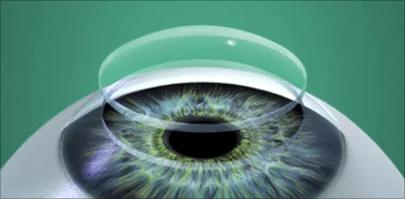
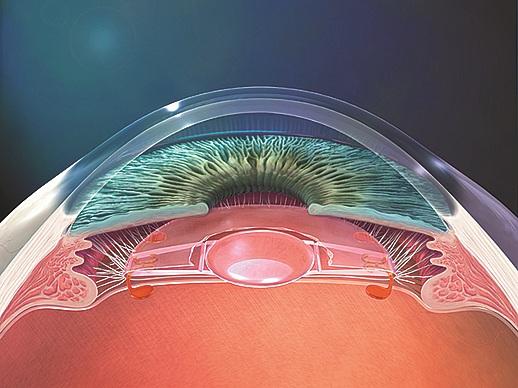
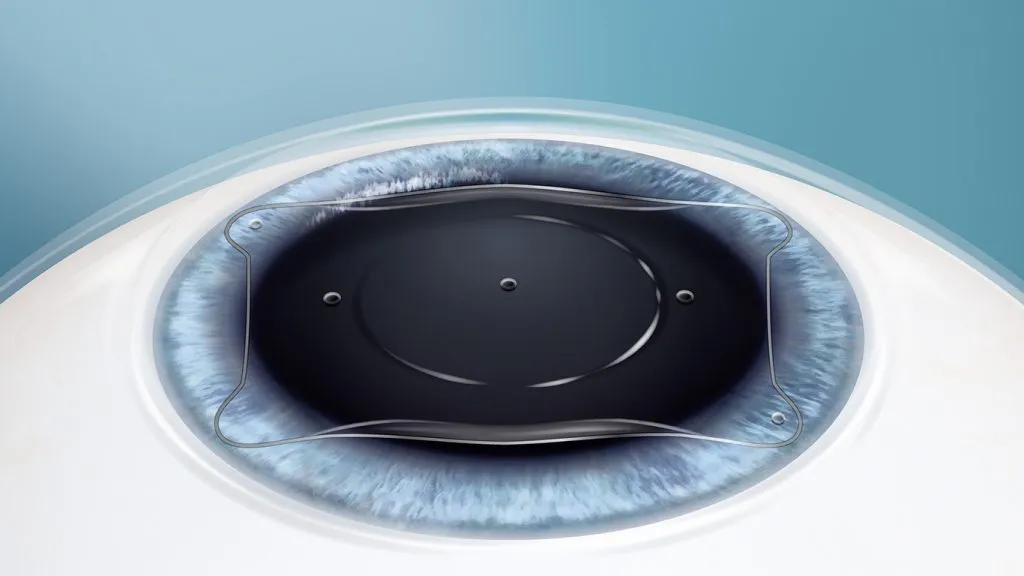
The implant is a very thin, flexible lens made of biocompatible material, which stays in the eye without maintenance. Through an incision of about 3 mm, the surgeon slides in the folded implant, which unfolds on its own. It is invisible from the outside and you do not feel it.
The phakic ICL implant is placed behind the iris, in front of your natural lens: it can be removed if needed. The natural lens is kept, preserving near vision in younger patients. In lens replacement, the implant is placed where the removed lens was, as in cataract surgery.
How does the implantation work in Turkey, step by step?
- You send your file. Your glasses prescription and latest eye examinations. You receive a first opinion.
- Ordering the implant. Phakic implants are often custom-made: depending on the measurements, they may need to be ordered before you come, which takes a few weeks.
- Day 1: full assessment. Vision test, eye depth, corneal cell count, consultation with the surgeon.
- Day 2: first eye. 15 to 30 minute procedure, then a check-up a few hours later and the next day.
- Day 3 or 4: second eye, once the first eye has been checked.
- Days 4 to 6: final check-up and return. Handover of your report, implant card and eye drop prescription.
After the procedure
Vision often improves from the next day. You use eye drops for about 4 weeks. Avoid rubbing your eyes, swimming pools and dust for 1 to 2 weeks. Flying is usually possible from the day after the check-up. Annual follow-up is then recommended near home, to check eye pressure and the cornea.
What are the risks of lens implantation?
Today’s implants are very well tolerated, and results are often excellent, with high-quality vision. Complications are rare, hence the importance of follow-up.
| Possible effect | Frequency | Good to know |
|---|---|---|
| Halos around lights at night | Common at first | Usually ease within a few weeks to a few months |
| Rise in eye pressure | Uncommon | Monitored at check-ups, treated with eye drops |
| Implant needing repositioning or a different size | Rare | A short procedure |
| Early cataract, infection | Very rare | Regular follow-up allows early action |
How to choose your clinic and quote?
A low price is not enough. Ask the hospital these questions before committing:
- Is the hospital authorized by the Turkish Ministry of Health to treat international patients?
- Who will perform the implantation, and how experienced are they with this technique?
- Which implant is proposed (brand, model, toric or not), and were the eye measurements taken before choosing it?
- Are the corneal cell count and eye depth measurement included in the assessment?
- Who takes care of a complication, on site and after your return home?
- What ophthalmological follow-up is planned, and with whom?
What a good quote should specify
- The name of the hospital and the doctor
- The tests, anesthesia, hospital stay and medication included
- The number of nights in hospital and at the hotel, and the transfers
- What happens in case of complication or cancellation
- The follow-up offered after your return
Also budget for your flight and follow-up consultations. Planned treatment in Turkey is usually not covered by public health insurance: ask your insurer in writing before committing.
Take time to think, and be wary of any offer that pushes you to decide quickly.
Our partner hospitals in Turkey









Frequently asked questions about lens implantation in Turkey
How much does lens implantation cost in Turkey?
The price depends on the type of implant (ICL, toric, multifocal) and the number of eyes. It is usually significantly lower than prices in Western Europe or North America. The exact price appears on your free quote, which specifies the implant, assessment, procedure, eye drops and check-ups.
What is the difference from laser eye surgery?
Laser reshapes the cornea, whereas an implant adds a lens inside the eye without touching the cornea. An implant corrects higher short-sightedness, suits thin corneas and can be removed. However, it is more expensive and requires a small procedure inside the eye.
Is the implant permanent?
It is designed to stay for life, without maintenance. A phakic implant can nevertheless be removed or replaced if needed, for example at the time of cataract surgery, years later.
How long do I need to stay in Turkey?
Usually 4 to 6 days: assessment, surgery on the first eye, check-up, surgery on the second eye 1 to 2 days later, then a final check-up. If the implant must be custom-made, the assessment can be done remotely using your examinations, or during a first short stay.
Is the procedure painful?
No. The eye is numbed with drops or a small local anesthetic, and a sedative may be given. The eye may itch for a few days after the procedure.
Which documents should I send to get an opinion?
Send your glasses or contact lens prescription, your latest eye examination reports and, if you have one, a corneal topography. Mention your medical history and current treatments.
Is lens implantation covered by insurance?
Correcting short-sightedness with an implant is rarely covered by public health insurance. Some private insurers offer a contribution: check using the clinic’s itemized invoice before committing.
Request a free medical opinion and quote
Send us your complete medical file: eye examination reports, imaging and glasses prescription. The medical team will review it, and you will receive a detailed medical opinion and an estimated quote.