Rhinoplasty in Turkey: a harmonious nose that breathes well
Techniques, procedure, splint, swelling, final result, risks and price: everything you need to know before rhinoplasty in Turkey.
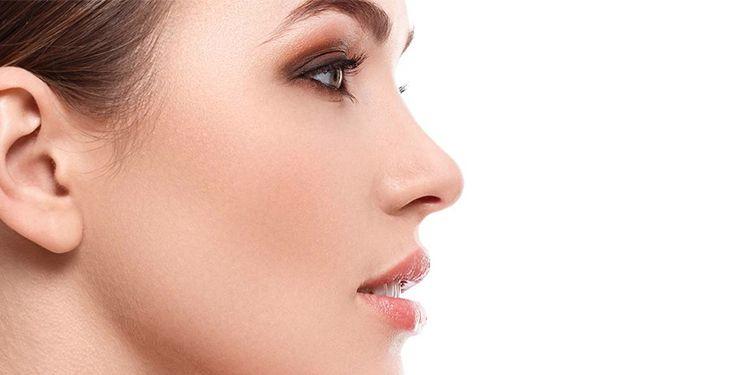
What is rhinoplasty in Turkey?
A bump on the nose, a tip that is too wide or droops, a nose deviated after an injury, or difficulty breathing: rhinoplasty changes the shape of the nose and can improve breathing at the same time.
Rhinoplasty in Turkey reshapes the bones and cartilage of the nose, by an open approach (small scar under the tip) or closed approach (incisions inside the nose), sometimes with ultrasonic instruments. A septoplasty can be added to correct breathing. The procedure lasts 2 to 3 hours under general anesthesia, with 1 night in hospital and a stay of 7 to 8 days, until the splint is removed. The result refines over 12 months. The price is set in a free quote.
TurquieMed organizes your stay: forwarding your file to the surgeon, opinion and detailed quote within 48 hours, airport pick-up, transfers, hotel, interpreter and 7-day-a-week assistance.
To choose well, the key point is discussing the desired result with the surgeon: a good nose is one that suits the face, not a copy of a photo.
- Duration
- 2 to 3 hours
- Anesthesia
- General
- Splint
- Removed after about 7 days
- Stay
- Usually 7 to 8 days
How much does rhinoplasty cost in Turkey?
The price depends on the technique (open, closed, ultrasonic), the complexity of the procedure, any associated septoplasty and the need for a cartilage graft, particularly for revision rhinoplasty. It is often offered as a package and is usually significantly lower than prices in Western Europe or North America.
Your free quote is prepared after your photos have been reviewed. Your flight is usually at your own expense.
Why have rhinoplasty in Turkey?
Rhinoplasty is one of the most delicate procedures in cosmetic surgery: a few millimeters change a face. Turkish surgeons who specialize in it use the latest techniques.
- Surgeons dedicated to rhinoplasty. Plastic surgeons and specialized ENT surgeons operate on noses every day, including revision rhinoplasty.
- Ultrasonic and preservation techniques. Piezosurgery sculpts bone precisely, and preservation rhinoplasty keeps the natural bridge of the nose when possible.
- Appearance and breathing treated together. A deviated septum or enlarged turbinates are corrected during the same procedure.
- A precise analysis of the face. The surgeon studies the profile and proportions of the face, sometimes with a simulation, for a nose in harmony with your features.
- A stay until the splint is removed. 7 to 8 days in Turkey, to remove the splint and stitches before your return.
Who is rhinoplasty for?
- from 18 years old, once facial growth is complete;
- a cosmetic concern: a bump, a nose that is too long or wide, a drooping tip or a deviated nose;
- difficulty breathing due to a deviated septum, treated at the same time;
- a previous rhinoplasty with an unsatisfactory result (revision rhinoplasty), at least 12 months later.
A photo simulation may be shown to you, but it remains indicative: it is used to check that you and the surgeon are aiming for the same result.
What are the rhinoplasty techniques?
Open or closed rhinoplasty
The open approach gives a full view of the cartilage, useful for major changes to the tip; it leaves a small, very discreet scar under the nose. The closed approach goes only through the inside of the nose, with no visible scar, for more limited corrections.
Ultrasonic rhinoplasty
Ultrasonic instruments (piezosurgery) sculpt the bone precisely while preserving nearby tissue: less bruising and swelling in many cases.
Septoplasty
It straightens the wall separating the two nostrils, to improve breathing. It is often combined with rhinoplasty.
How does your rhinoplasty in Turkey work, step by step?
- You send your photos. You receive an opinion and a quote.
- Day 1: consultation, facial analysis, blood test.
- Day 2: the procedure, then 1 night in hospital.
- Days 3 to 6: hotel, with a check-up and removal of any nasal packing.
- Day 7 or 8: removal of the splint and stitches, then return.
After the procedure
Bruising and swelling around the eyes go down within 10 to 14 days. Sleep with your head raised, do not blow your nose hard and do not wear glasses resting on your nose for 4 to 6 weeks. Avoid sun and sport for 1 month. Office work often resumes after 10 days. Swelling of the tip takes 12 months to disappear completely: that is when the result is final.
What are the risks of rhinoplasty?
Rhinoplasty is a common procedure. Recovery is mainly marked by swelling, which requires patience.
| Possible effect | Frequency | Good to know |
|---|---|---|
| Bruising, swelling, blocked nose | Very common | Ease within 2 weeks, residual swelling within 12 months |
| Light nosebleeds | Common in the first days | Usually stop on their own |
| Small irregularity or asymmetry | Uncommon | A touch-up is possible after 12 months |
| Lasting breathing difficulty, infection | Rare | Managed by the surgeon |
How to choose your surgeon and quote?
A low price is not enough. Ask the hospital these questions before committing:
- Is the hospital authorized by the Turkish Ministry of Health to treat international patients?
- Who will perform the procedure, and how experienced are they with this technique?
- Is the surgeon a qualified plastic surgeon, and can you see before-and-after photos of their own patients?
- Does the procedure take place in a hospital with an anesthesia team and intensive care on site?
- Who takes care of a complication, on site and after your return home?
- What medical follow-up is planned, and with whom?
What a good quote should specify
- The name of the hospital and the doctor
- The tests, anesthesia, hospital stay and medication included
- The number of nights in hospital and at the hotel, and the transfers
- What happens in case of complication or cancellation
- The follow-up offered after your return
Also budget for your flight and follow-up consultations. Planned treatment in Turkey is usually not covered by public health insurance: ask your insurer in writing before committing.
Take time to think, and be wary of any offer that pushes you to decide quickly.
Our partner hospitals in Turkey






Frequently asked questions about rhinoplasty in Turkey
How much does rhinoplasty cost in Turkey?
The price depends on the technique, the complexity and any septoplasty or cartilage graft. It is often offered as a package and is usually significantly lower than prices in Western Europe or North America. The exact price appears on your free quote.
When will I see the final result?
After the splint is removed, around day 7, the new shape can already be seen. But the nose remains swollen, especially at the tip: about 80% of the swelling disappears within 3 months, and the final result can be seen after 12 months.
Is rhinoplasty painful?
It is mostly uncomfortable: blocked nose, tightness and bruising in the first days. Pain is usually moderate and well relieved by simple painkillers.
How long do I need to stay in Turkey?
Usually 7 to 8 days, so that the splint and stitches can be removed before you go home. Flying is possible after this check-up.
Can breathing be improved at the same time?
Yes. If the septum is deviated or the turbinates are enlarged, a septoplasty or turbinate reduction can be done during the same procedure.
Which photos should I send to get an opinion?
Send photos of your face from the front, both profiles, three-quarter views and from below (nostrils), without make-up, hair tied back, along with your age, medical history (previous nose surgery or fractures) and current treatments.
Is rhinoplasty covered by insurance?
Cosmetic rhinoplasty is not covered. The functional part, such as correcting a deviated septum that blocks breathing (septoplasty), may be covered in some countries. Planned treatment in Turkey is usually at your own expense. Ask your insurer in writing before committing.
Request a free medical opinion and quote
Send us photos of the area to be treated, your age, weight, height, medical history and current treatments. The surgeon will review them, and you will receive a detailed medical opinion and an estimated quote.