Lymphoma treatment in Turkey: modern, effective protocols
Types of lymphoma, symptoms, diagnosis, chemo-immunotherapy, radiotherapy, transplant and care in Turkey: everything you need to know.
What does lymphoma treatment in Turkey involve?
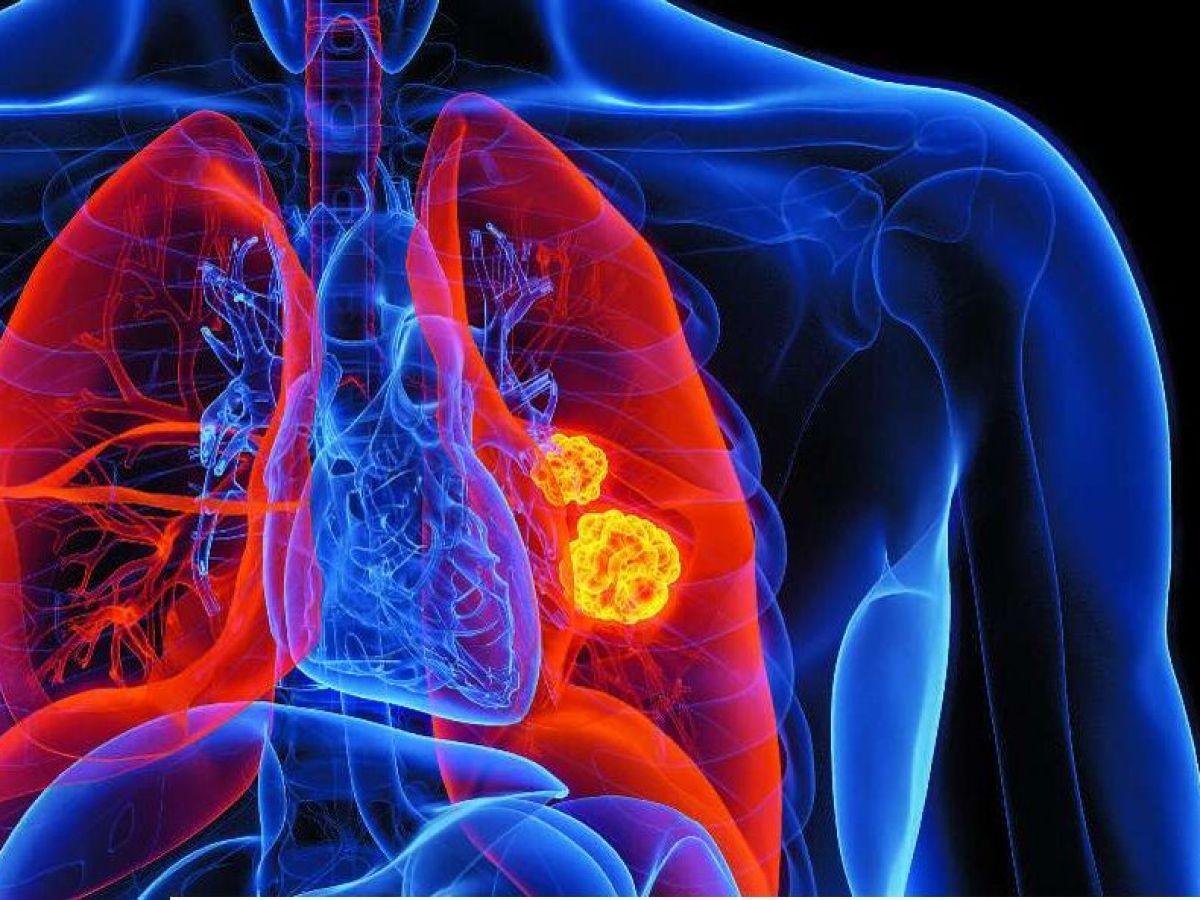
Lymphoma is a cancer of the lymphocytes, white blood cells found in the lymph nodes. There is Hodgkin lymphoma and the more common non-Hodgkin lymphomas, which come in many types. It is one of the cancers that respond best to treatment: many lymphomas are cured.
Lymphoma treatment in Turkey is provided by hematologists and oncologists in specialized centers in Istanbul, Ankara and Izmir, authorized by the Turkish Ministry of Health. It most often relies on chemotherapy combined with immunotherapy, sometimes followed by radiotherapy, and, in case of relapse, a stem cell transplant or newer immunotherapies. A first opinion is given remotely based on your biopsy and PET-CT. The price is set in a free quote.
TurquieMed organizes your stay: forwarding your file to the oncology team, opinion and detailed quote within 48 hours, airport pick-up, transfers, hotel, interpreter and 7-day-a-week assistance.
- First opinion
- Within 48 hours, based on your file
- Treatments
- Chemo-immunotherapy, radiotherapy, transplant
- Length of a protocol
- Usually 3 to 6 months
- Follow-up
- Consultations and imaging, with your hematologist
How much does lymphoma treatment cost in Turkey?
The price depends on the type of lymphoma, its stage, the number of chemo-immunotherapy cycles and any radiotherapy or transplant. The PET-CT, used at the start and during treatment, is also part of the cost. For a comparable level of care, the total cost in Turkey is often significantly lower than in Western Europe or North America.
Your free quote is prepared after your file has been reviewed and details each cycle, the tests, accommodation, transfers and interpreter.
Why have lymphoma treated in Turkey?
Treating lymphoma requires a very precise diagnosis of the type of lymphoma, then a protocol closely monitored by imaging. Turkish hematology centers bring these skills together in one place.
- A precise pathology diagnosis. Analysis of the biopsy by specialized pathologists identifies the exact type of lymphoma, a condition for suitable treatment.
- PET-CT to guide treatment. It measures the extent of the disease at the start and checks the response after a few cycles, to adapt the protocol.
- International reference protocols. Chemo-immunotherapy and precision radiotherapy are applied according to European guidelines.
- Options in case of relapse. Autologous stem cell transplant and recent immunotherapies are offered in specialized centers.
- Organization by cycles. Stays are planned around the rhythm of the cycles, with the option of continuing part of the treatment near home.
What are the causes and risk factors of lymphoma?
The cause of lymphoma usually remains unknown. Several factors, mainly linked to the immune system, increase the risk:
- weakened immunity: HIV infection, treatment after an organ transplant or immunosuppressive drugs;
- certain infections: Epstein-Barr virus, hepatitis C or Helicobacter pylori for some stomach lymphomas;
- autoimmune diseases: such as rheumatoid arthritis, lupus or Sjögren’s syndrome;
- age: most non-Hodgkin lymphomas occur after 60, whereas Hodgkin lymphoma often affects young adults;
- certain pesticides: with long-term occupational exposure.
Lymphoma is not contagious and is generally not hereditary.
What are the symptoms of lymphoma?
The most common sign is a swelling lymph node, often painless. Other symptoms may appear:
- swollen lymph nodes in the neck, armpits or groin that persist;
- unexplained fever that keeps coming back;
- heavy night sweats;
- weight loss for no apparent reason;
- severe tiredness or itching.
Most swollen lymph nodes are due to an infection and disappear within a few weeks. See a doctor if a lymph node persists for more than 3 to 4 weeks.
How is lymphoma diagnosed?
Lymph node biopsy
Diagnosis relies on analysis of a whole lymph node or a sample: it confirms the lymphoma and specifies its type, among several dozen.
Staging tests
PET-CT, blood tests and sometimes a bone marrow biopsy determine the stage, from I (a single lymph node region) to IV (widespread involvement).
The main types
Hodgkin lymphoma, diffuse large B-cell lymphoma (the most common), follicular lymphoma and mantle cell lymphoma each have their own treatment.
What are the treatments for lymphoma?
Treatment depends on the type of lymphoma, its stage and your general health. It is decided by a multidisciplinary tumor board.
Chemo-immunotherapy
This is the basis of treatment for many lymphomas: chemotherapy combined with an antibody (such as rituximab), in cycles 2 to 3 weeks apart, for 3 to 6 months.
Radiotherapy
It sometimes follows chemotherapy, especially for localized forms, with precision techniques that protect nearby organs.
Watchful waiting
Some slow-growing lymphomas without symptoms can simply be monitored: treatment is only started if they progress.
Treating relapses
High-dose chemotherapy followed by an autologous stem cell transplant, or newer immunotherapies, may be offered.
How does your care in Turkey work?
- You send your file. Your complete medical file: biopsy, PET-CT and blood tests. You receive an opinion and a quote.
- Arrival and tests. Consultation with the hematologist, additional tests if needed.
- The cycles. Usually in a day hospital, every 2 to 3 weeks, with an interim PET-CT during treatment.
- The return. The protocol can be continued near home, with a detailed report.
Follow-up after treatment
After treatment, a PET-CT confirms remission. Follow-up then combines regular consultations and blood tests, first every 3 to 6 months, then less often. It takes place close to home, with your hematologist.
What are the possible side effects?
Side effects are now well prevented and usually temporary.
| Effect | After which treatment | Good to know |
|---|---|---|
| Tiredness, nausea, hair loss | Chemotherapy | Temporary, relieved by treatments |
| Low white blood cell count | Chemotherapy | Monitored at each cycle, growth factors help |
| Reaction during the infusion | Immunotherapy | Prevented by medication given beforehand |
| Skin redness, tiredness | Radiotherapy | Temporary, disappear after the sessions |
How to choose your hospital and quote?
A low price is not enough. Ask the hospital these questions before committing:
- Is the hospital authorized by the Turkish Ministry of Health to treat international patients?
- Who will perform the treatment, and how experienced are they with this technique?
- Is the biopsy reviewed by a pathologist specialized in lymphoma?
- Is a PET-CT planned at the start and during treatment to assess the response?
- Who takes care of a complication, on site and after your return home?
- What medical follow-up is planned, and with whom?
What a good quote should specify
- The name of the hospital and the doctor
- The tests, anesthesia, hospital stay and medication included
- The number of nights in hospital and at the hotel, and the transfers
- What happens in case of complication or cancellation
- The follow-up offered after your return
Also budget for your flight and follow-up consultations. Planned treatment in Turkey is usually not covered by public health insurance: ask your insurer in writing before committing.
Take time to think, and be wary of any offer that pushes you to decide quickly.
Our partner hospitals in Turkey







Frequently asked questions about lymphoma treatment in Turkey
How much does lymphoma treatment cost in Turkey?
The price depends on the type of lymphoma, its stage and the number of cycles, as well as any radiotherapy or transplant. It is usually significantly lower than prices in Western Europe or North America. The exact price appears on your free quote, cycle by cycle.
Can lymphoma be cured?
Yes, very often. Hodgkin lymphoma is cured in the vast majority of patients, and many aggressive non-Hodgkin lymphomas are also cured with chemo-immunotherapy. Slow-growing lymphomas can be controlled for many years.
How long does treatment last?
A chemo-immunotherapy protocol usually lasts 3 to 6 months, with one cycle every 2 to 3 weeks. Some cycles can be given in Turkey and the rest near home.
How long do I need to stay in Turkey?
A few days for a second opinion and the start of treatment; for the following cycles, short stays every 2 to 3 weeks, or continuation near home. An autologous transplant requires about 3 to 4 weeks.
Which documents should I send to get an opinion?
Send the biopsy report, the PET-CT, your latest blood tests, the list of treatments already received and your medical history.
Is lymphoma a type of leukemia?
No, they are two different blood diseases: lymphoma mainly affects the lymph nodes, leukemia mainly the bone marrow and blood. Some forms are similar and treated in similar ways.
Is treatment in Turkey covered by insurance?
Planned treatment in Turkey is usually not covered by public health insurance systems, which generally only reimburse urgent and unforeseen care abroad. Some private insurers and international health plans do cover treatment abroad: ask your insurer in writing before committing, and keep all your invoices and medical reports.
Request a free medical opinion and quote
Send us your complete medical file: reports, imaging and test results. The medical team will review it, and you will receive a detailed medical opinion and an estimated quote.