Ovarian cancer treatment in Turkey: complete surgery by specialized teams
Symptoms, diagnosis, cytoreductive surgery, chemotherapy, maintenance treatment and care in Turkey: everything you need to know.
What does ovarian cancer treatment in Turkey involve?
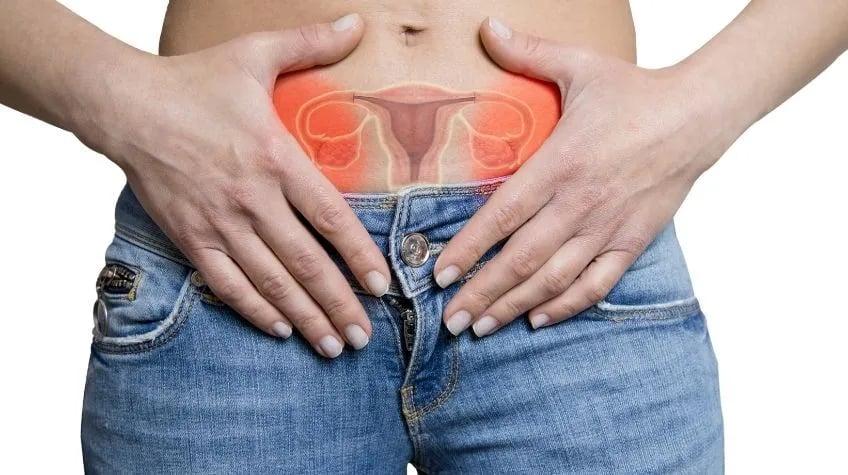
Ovarian cancer causes few signs at first and is often found at a stage where it has spread in the abdomen. Its treatment relies on surgery that must remove all visible disease: this is the factor that most influences results, and it depends on the team’s experience.
Ovarian cancer treatment in Turkey is provided by gynecologic oncologists and medical oncologists in centers in Istanbul, Ankara and Izmir, authorized by the Turkish Ministry of Health. It combines complete cytoreductive surgery and chemotherapy, before or after the operation, then often maintenance treatment, such as PARP inhibitors in case of a BRCA mutation. You receive a medical opinion within 48 hours and the operation can usually take place within one week. The stay for surgery usually lasts 2 to 3 weeks. The price is set in a free quote.
TurquieMed organizes your stay: forwarding your file to the oncology team, opinion and detailed quote within 48 hours, airport pick-up, transfers, hotel, interpreter and 7-day-a-week assistance.
- First opinion
- Within 48 hours, based on your file
- Operation
- Usually within one week
- Treatments
- Surgery, chemotherapy, maintenance treatment
- Stay for surgery
- Usually 2 to 3 weeks
- Follow-up
- With your oncologist, back home
How much does ovarian cancer treatment cost in Turkey?
The price depends on the extent of surgery, any HIPEC, the number of chemotherapy cycles and maintenance treatment. For a comparable level of care, the total cost in Turkey is often significantly lower than in Western Europe or North America.
Your free quote is prepared after your file has been reviewed and details the surgery, hospital stay, chemotherapy, accommodation, transfers and interpreter.
Why have ovarian cancer treated in Turkey?
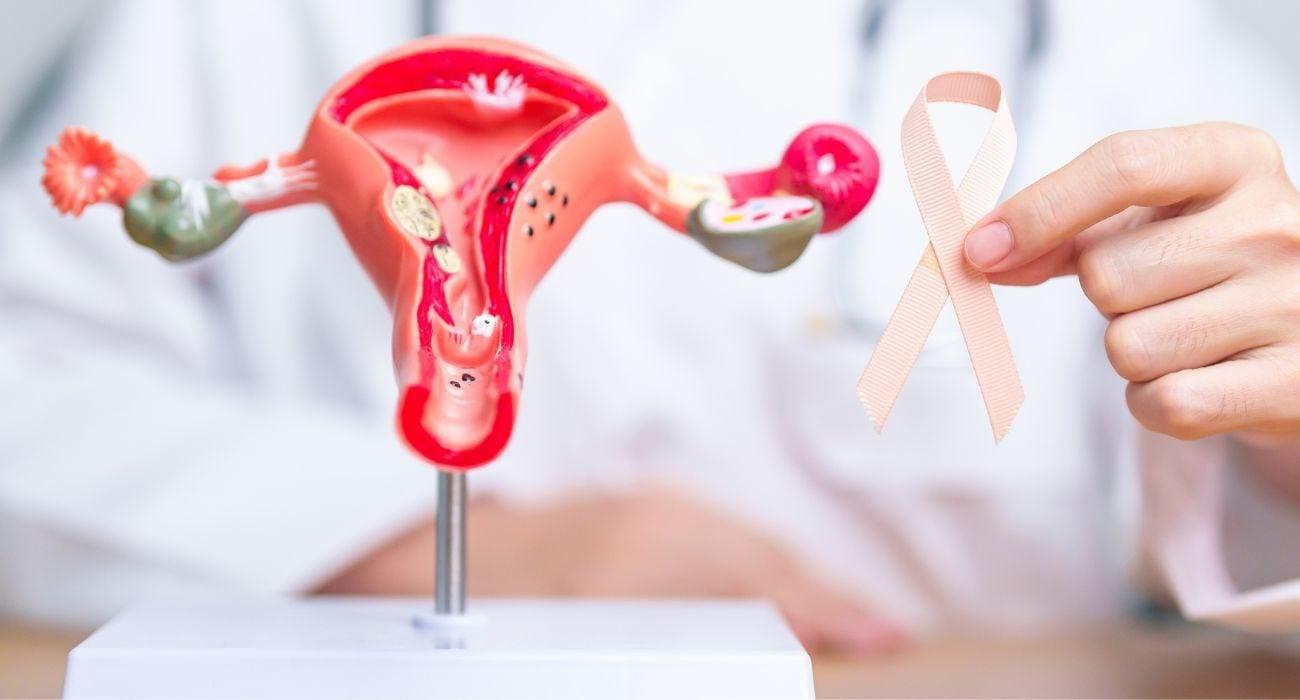
In ovarian cancer, the quality of the first surgery matters more than anything. Turkish gynecologic oncology centers bring together the surgeons and equipment needed for these long, complex operations.
- Gynecologic oncologists. Surgery is performed by surgeons specialized in gynecological cancers, used to extensive abdominal operations.
- The goal of complete cytoreduction. Removing all visible disease, including on the peritoneum and sometimes on other organs, with digestive surgeons if needed.
- HIPEC in specialized centers. Heated chemotherapy in the abdomen can be combined with surgery for some patients.
- Genetics-guided treatment. Testing for a BRCA mutation points to PARP inhibitors, which significantly prolong remission.
- A cancer genetics consultation. It also allows family members to be informed of any hereditary risk.
What are the causes and risk factors of ovarian cancer?
The exact cause of ovarian cancer is usually unknown, but several factors increase the risk:
- age: most ovarian cancers occur after 50, after menopause;
- a genetic mutation: mutations in the BRCA1 and BRCA2 genes, or Lynch syndrome, clearly increase the risk;
- a family history of ovarian or breast cancer, especially in close relatives;
- endometriosis, linked to certain types of tumors;
- never having been pregnant.
Conversely, pregnancies, breastfeeding and taking the contraceptive pill for several years lower the risk. There is no effective screening test for all women: if a BRCA mutation is known, monitoring and preventive surgery are offered.
What are the symptoms of ovarian cancer?
Signs are often subtle and can suggest digestive problems:
- a swelling abdomen or lasting bloating;
- pain in the lower abdomen or pelvis;
- feeling full quickly;
- frequent urination or recent changes in bowel habits;
- unexplained tiredness or weight loss.
These signs most often have a benign cause. If they are new and persist for more than a few weeks, especially after 50, see your doctor or gynecologist.
How is ovarian cancer diagnosed?
Ultrasound and MRI
A pelvic ultrasound locates a mass on the ovary; MRI specifies its appearance.
CT scan and the CA 125 marker
The CT scan measures the extent of disease in the abdomen. A blood test measures the CA 125 marker, useful for tracking treatment.
Confirmation
The diagnosis is confirmed by analysis of a sample, obtained by biopsy or during a laparoscopy, which also specifies the type of tumor.
What are the stages of ovarian cancer and the chances of cure?
The stage describes how far the disease has spread. It is assessed by imaging, then confirmed during surgery.
| Stage | Extent of the disease |
|---|---|
| Stage I | Limited to one or both ovaries |
| Stage II | Spread to pelvic organs: uterus, fallopian tubes, bladder or rectum |
| Stage III | Spread to the lining of the abdomen (peritoneum) and/or lymph nodes |
| Stage IV | Distant metastases: pleura, liver, lungs |
The chances of cure depend mainly on the stage, the type of tumor and the quality of surgery. When found at stage I, ovarian cancer is cured in the large majority of cases. At stages III and IV, the most common, surgery that removes all visible disease and maintenance treatments such as PARP inhibitors have markedly lengthened remissions. Only your oncologist can assess your personal situation.
What are the treatments for ovarian cancer?
Treatment depends on the stage, the type of tumor and your general health. It is decided by a multidisciplinary tumor board.
Cytoreductive surgery
The surgeon removes the ovaries, uterus, omentum and all visible lesions. The operation can last several hours. It is done first, or after 3 cycles of chemotherapy that shrink the disease.
Chemotherapy
A combination of carboplatin and paclitaxel is the standard treatment, in about 6 cycles, before and/or after surgery.
Maintenance treatment
PARP inhibitors, in tablet form, and sometimes bevacizumab prolong remission, especially in case of a BRCA mutation.
Early-stage disease
For some very early cancers in young women, fertility-sparing surgery may be discussed.
How does your care in Turkey work?
- You send your file. Your complete medical file: CT scan, MRI, CA 125 and tumor analysis. You receive a medical opinion and a quote within 48 hours.
- Arrival and tests, usually within one week. Consultation with the gynecologic oncologist and anesthetist.
- The operation, followed by 7 to 10 nights in hospital.
- The return. After the check-up, with a complete report; chemotherapy can continue near home.
Follow-up after treatment
Follow-up combines a clinical examination, CA 125 testing and imaging if needed, every 3 to 6 months in the first years. If maintenance treatment is prescribed, it is monitored by your oncologist near home.
What are the possible side effects?
The surgery is major, but specialized teams have improved recovery, and the effects of medical treatments are well managed.
| Effect | After which treatment | Good to know |
|---|---|---|
| Tiredness and pain in the first weeks | Surgery | They ease during recovery |
| Menopause | Surgery | Its symptoms can be relieved: talk to your doctor |
| Hair loss, tingling | Chemotherapy | Mostly temporary |
| Tiredness, nausea, low blood counts | PARP inhibitors | Monitored with blood tests |
How to choose your hospital and quote?
A low price is not enough. Ask the hospital these questions before committing:
- Is the hospital authorized by the Turkish Ministry of Health to treat international patients?
- Who will perform the operation, and how experienced are they with this technique?
- Is the operation performed by a gynecologic oncologist experienced in cytoreductive surgery?
- Is BRCA mutation testing planned to guide maintenance treatment?
- Who takes care of a complication, on site and after your return home?
- What medical follow-up is planned, and with whom?
What a good quote should specify
- The name of the hospital and the doctor
- The tests, anesthesia, hospital stay and medication included
- The number of nights in hospital and at the hotel, and the transfers
- What happens in case of complication or cancellation
- The follow-up offered after your return
Also budget for your flight and follow-up consultations. Planned treatment in Turkey is usually not covered by public health insurance: ask your insurer in writing before committing.
Take time to think, and be wary of any offer that pushes you to decide quickly.
Our partner hospitals in Turkey







Frequently asked questions about ovarian cancer in Turkey
How much does ovarian cancer treatment cost in Turkey?
The price depends on the extent of surgery, any HIPEC and the number of chemotherapy cycles. It is usually significantly lower than prices in Western Europe or North America. The exact price appears on your free quote.
Why is surgery so important?
In ovarian cancer, removing all visible disease during the operation is one of the factors that matter most for results. This requires a specialized team, used to these extensive operations.
What is a BRCA mutation?
It is a genetic abnormality that increases the risk of ovarian and breast cancer. If present in the tumor or inherited, it allows very effective maintenance treatment with PARP inhibitors, and justifies informing the family.
How quickly can I get an opinion and have surgery?
You receive a medical opinion within 48 hours of sending your complete file. If surgery is recommended, it can usually be scheduled within one week.
How long do I need to stay in Turkey?
For surgery, usually 2 to 3 weeks: assessment, operation, 7 to 10 nights in hospital, then a check-up before returning home.
Which documents should I send to get an opinion?
Send the CT scan, pelvic MRI, CA 125 test, tumor analysis if done, your personal and family history of cancer and current treatments.
Can I have chemotherapy in my home country?
Yes: surgery can be done in Turkey, and chemotherapy and maintenance treatment continued near home, based on the reports handed to you before your return.
Can someone come with me?
Yes, and it is recommended. A relative can accompany you throughout your stay; in most hospitals, the room allows a companion to stay with you. Their accommodation and transfers can be included in the quote.
When can I fly home after the operation?
Usually 10 to 14 days after the operation, after the check-up and with the surgeon’s approval. For the flight, the team will advise you on precautions against blood clots: compression stockings, walking regularly and sometimes an anticoagulant treatment.
Can I still have children?
For some very early cancers in young women, surgery that preserves the uterus and one ovary may be discussed. Egg freezing before treatment can also be considered. Mention it from the first opinion.
What happens if the cancer comes back?
A recurrence is not a dead end: depending on the time since the last treatment, new chemotherapy, sometimes further surgery and maintenance treatments can be offered. You can send your file for an opinion, with your latest tests.
Is treatment in Turkey covered by insurance?
Planned treatment in Turkey is usually not covered by public health insurance systems, which generally only reimburse urgent and unforeseen care abroad. Some private insurers and international health plans do cover treatment abroad: ask your insurer in writing before committing, and keep all your invoices and medical reports.
Request a free medical opinion and quote
Send us your complete medical file: reports, imaging and test results. The medical team will review it, and you will receive a detailed medical opinion and an estimated quote.