Lung cancer treatment in Turkey: minimally invasive surgery and modern therapies
Symptoms, diagnosis, surgery, radiotherapy, targeted therapy, immunotherapy, follow-up and prices: everything you need to know about lung cancer treatment in Turkey.
What does lung cancer treatment in Turkey involve?
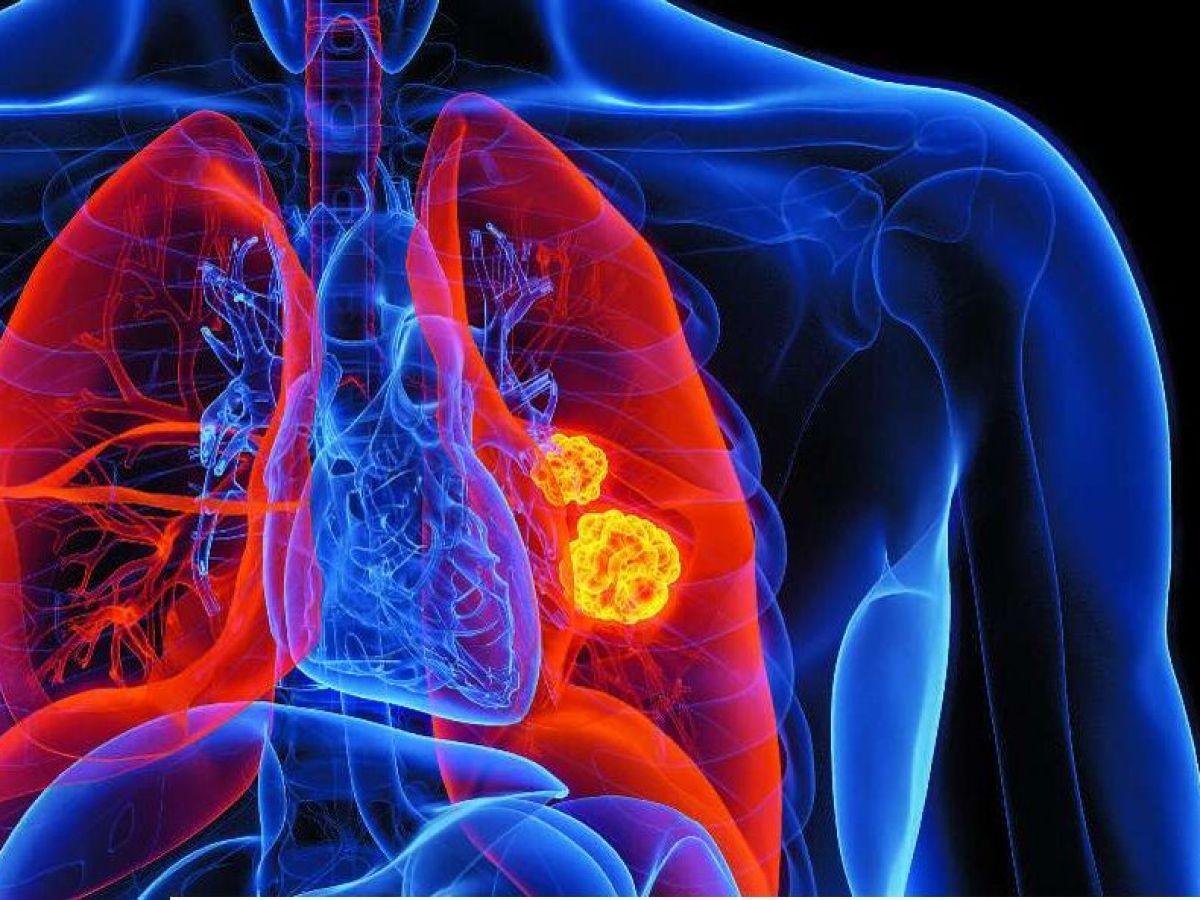
A cough that will not go away, shortness of breath, coughing up blood, or an abnormal image found on a CT scan: this is often how lung cancer is discovered. Treatments have advanced greatly in recent years, particularly thanks to targeted therapy and immunotherapy.
Lung cancer treatment in Turkey is provided by thoracic surgeons, pulmonologists, oncologists and radiation oncologists in modern hospitals in Istanbul, Ankara and Izmir, authorized by the Turkish Ministry of Health. Depending on the type and stage, it relies on minimally invasive surgery, high-precision radiotherapy, chemotherapy, targeted therapy or immunotherapy, often combined. A first opinion can be given remotely based on your CT scan, PET-CT and biopsy. For surgery, plan on 10 to 14 days in Turkey. The price is set in a free quote, after your file has been reviewed.
TurquieMed organizes your stay: forwarding your file to the oncology team, opinion and detailed quote within 48 hours, airport pick-up, transfers, hotel, interpreter and 7-day-a-week assistance.
The key criterion for choosing well is molecular testing of the tumor: it shows whether a targeted therapy, often very effective, is possible for you.
- First opinion
- Within 48 hours, based on your file
- Treatments
- Surgery, radiotherapy, targeted therapy, immunotherapy
- Stay for surgery
- Usually 10 to 14 days
- Follow-up
- With your pulmonologist or oncologist, back home
How much does lung cancer treatment cost in Turkey?
The price depends on the stage and the treatment: surgery or stereotactic radiotherapy for a small tumor costs much less than several months of immunotherapy or targeted therapy. For a comparable level of care, the total cost in Turkey is often significantly lower than in Western Europe or North America.
Your free quote is prepared after your file has been reviewed. It details each step: tests, surgery or sessions, hospital stay, medication, hotel, transfers and interpreter. Your flight is usually at your own expense.
Why have lung cancer treated in Turkey?
Lung cancer treatment has changed profoundly with minimally invasive surgery, high-precision radiotherapy and targeted treatments. Making the most of them requires a complete work-up and a multidisciplinary team: this is how Turkey’s major oncology centers work.
- Minimally invasive thoracic surgery. Thoracic surgeons perform lobectomy by video-assisted surgery (VATS) or with a robot, through incisions of a few centimeters and with faster recovery.
- Complete molecular testing. Tumor analysis (EGFR, ALK, ROS1, KRAS, PD-L1) is carried out before choosing the treatment, so that an effective targeted therapy is not missed.
- Very high-precision radiotherapy. Stereotactic radiotherapy, for example with a CyberKnife, treats small tumors in a few sessions when surgery is not possible.
- Access to innovative treatments. Targeted therapy and immunotherapy, alone or combined with chemotherapy, are available quickly, including before or after surgery.
- A breathing assessment before any decision. The thoracic surgeon, pulmonologist, oncologist and radiation oncologist check your lung capacity and choose together between surgery, radiotherapy and medical treatments.
- Short waiting times, decisive for this cancer. PET-CT, biopsy and molecular testing are done within days, in hospitals several of which are JCI-accredited, so treatment can start without delay.
What are the causes and risk factors of lung cancer?
Lung cancer is, in the vast majority of cases, linked to smoking. The main risk factors are:
- smoking: responsible for about 8 out of 10 lung cancers; the risk increases with the number of years of smoking;
- passive smoking: regular exposure to other people’s smoke;
- radon: a natural radioactive gas present in some homes;
- occupational exposures: to asbestos, silica, heavy metals or diesel exhaust;
- air pollution: and a family history of lung cancer.
Stopping smoking reduces the risk at any age. In heavy smokers, a low-dose chest CT scan can detect cancer at an early stage.
What are the symptoms of lung cancer?
In its early stages, it rarely causes symptoms. When signs appear, they may include:
- a lasting cough, or a change in a smoker’s cough;
- unusual shortness of breath;
- coughing up blood, even in small amounts;
- chest pain or bronchitis that does not heal;
- tiredness and weight loss for no apparent reason.
These signs often have another cause, such as an infection. Still, see your doctor if they last more than 3 weeks, especially if you smoke or have smoked.
How is lung cancer diagnosed?
CT scan and PET-CT
The chest CT scan locates the tumor. The PET-CT checks whether lymph nodes or other organs are affected. A brain MRI is often added.
Biopsy
A sample is taken by bronchoscopy, or through the skin under CT guidance. It confirms the diagnosis and specifies the type of cancer: “non-small cell”, the most common, or “small cell”.
Molecular testing
It looks for abnormalities in the tumor (EGFR, ALK, ROS1, KRAS…) and measures PD-L1. This is what shows whether targeted therapy or immunotherapy is indicated.
Breathing tests
Before surgery, tests measure your lung capacity, to check that you can live normally with part of a lung removed.
What are the treatments for lung cancer?
The protocol depends on the type of cancer, the stage, the molecular profile and your general health. It is decided by a multidisciplinary tumor board.
Surgery
For localized cancers, the surgeon removes the lobe of the lung containing the tumor (lobectomy), with nearby lymph nodes. It is most often done by video-assisted surgery or with a robot, through small incisions. The hospital stay usually lasts 4 to 7 days.
Radiotherapy
For small tumors when surgery is not possible, stereotactic radiotherapy treats the tumor in just a few sessions, with very high precision. For more extensive disease, conventional radiotherapy is combined with chemotherapy.
Targeted therapy
If the tumor carries a specific abnormality (EGFR, ALK…), a treatment in tablet form can control the disease for a long time, with a good quality of life.
Immunotherapy and chemotherapy
Immunotherapy helps the immune system attack the tumor. Alone or combined with chemotherapy, it has transformed the treatment of advanced disease. It is also used before or after surgery.
How does your treatment in Turkey work?
Example for lung surgery:
- You send your file. The team proposes a protocol and you receive a detailed quote.
- Days 1 and 2: arrival and tests. Airport pick-up, consultation with the surgeon, breathing tests and additional tests if needed.
- Day 3: the operation. By video-assisted surgery or robot, under general anesthesia.
- Days 4 to 9: hospital stay. Walking from the next day, respiratory physiotherapy, removal of the chest drain.
- Days 10 to 14: hotel, results and return. Check-up, tumor analysis results, handover of your complete file, then flight home.
For stereotactic radiotherapy, plan on 1 to 2 weeks in Turkey. Long-term medical treatments can be given over successive stays or close to home.
Follow-up after treatment
Follow-up combines a consultation and a chest CT scan every 3 to 6 months for the first 2 years, then every year. It takes place close to home, with your pulmonologist or oncologist.
Stopping smoking, even after diagnosis, improves recovery and the effectiveness of treatment. Help to quit can be offered to you.
What are the possible side effects?
Thanks to minimally invasive surgery and targeted treatments, treatments are better tolerated today than before. Most side effects are temporary and can be treated well.
| Effect | After which treatment | Good to know |
|---|---|---|
| Pain and breathlessness in the first weeks | Surgery | Respiratory physiotherapy helps recovery |
| Tiredness, cough, discomfort when swallowing | Radiotherapy | Temporary, they ease after the sessions |
| Skin rash, diarrhea | Targeted therapy | Relieved by suitable care, the dose can be adjusted |
| Tiredness, skin reactions, thyroid problems | Immunotherapy | Monitored at each cycle, they are treated well if caught early |
How to choose your hospital and quote?
A low price is not enough. Ask the hospital these questions before committing:
- Is the hospital authorized by the Turkish Ministry of Health to treat international patients?
- Who will perform the operation or radiotherapy, and how experienced are they with this technique?
- Is molecular testing of the tumor (EGFR, ALK, PD-L1…) done before choosing the treatment?
- Is your file discussed by a multidisciplinary tumor board (surgeon, pulmonologist, oncologist, radiation oncologist)?
- Who takes care of a complication, on site and after your return home?
- What medical follow-up is planned, and with whom?
What a good quote should specify
- The name of the hospital and the doctor
- The tests, anesthesia, hospital stay and medication included
- The number of nights in hospital and at the hotel, and the transfers
- What happens in case of complication or cancellation
- The follow-up offered after your return
Also budget for your flight and follow-up consultations. Planned treatment in Turkey is usually not covered by public health insurance: ask your insurer in writing before committing.
Take time to think, and be wary of any offer that pushes you to decide quickly.
Our partner hospitals in Turkey






Frequently asked questions about lung cancer treatment in Turkey
How much does lung cancer treatment cost in Turkey?
The price depends on the stage and the treatment: surgery or stereotactic radiotherapy costs much less than several months of immunotherapy or targeted therapy. It is usually significantly lower than prices in Western Europe or North America. The exact price appears on your free quote, prepared after your file has been reviewed.
What are the chances of a cure?
They depend mainly on the stage. Operated on at an early stage, lung cancer is cured in a large proportion of cases. For advanced disease, targeted therapy and immunotherapy now allow many patients to live for several years with a good quality of life, which was rare 10 years ago.
Can you live normally with part of a lung removed?
Yes. Most often, only one lobe is removed, and the breathing tests done before the operation check that you will be able to breathe normally afterwards. Breathlessness in the first weeks improves gradually, especially with physiotherapy and physical activity.
How long do I need to stay in Turkey?
For surgery, plan on 10 to 14 days: tests, the operation, 4 to 7 nights in hospital, then a check-up and the tumor analysis results. For stereotactic radiotherapy, 1 to 2 weeks. Long-term medical treatments can continue close to home.
Which documents should I send to get an opinion?
Send the chest CT scan, the PET-CT, the brain MRI if one was done, the biopsy report and molecular testing (EGFR, ALK, PD-L1), breathing tests, a recent blood test, your medical history and current treatments. With a complete file, the team can usually give a first opinion within a few days.
Can I continue treatment in my home country?
Yes, this is a common option: surgery or radiotherapy is done in Turkey, then chemotherapy, immunotherapy or targeted therapy continues close to home with your oncologist. Prepare this arrangement with your oncologist before you travel.
Is treatment in Turkey covered by insurance?
Planned treatment in Turkey is usually not covered by public health insurance systems, which generally only reimburse urgent and unforeseen care abroad. Some private insurers and international health plans do cover treatment abroad: ask your insurer in writing before committing, and keep all your invoices and medical reports.
Request a free medical opinion and quote
Send us your complete medical file: reports, imaging and test results. The medical team will review it, and you will receive a detailed medical opinion and an estimated quote.