Gum graft in Turkey: protect your teeth when your gums recede
Causes of gum recession, graft techniques, procedure, healing, risks and price: everything you need to know before a gum graft in Turkey.
What is a gum graft in Turkey?
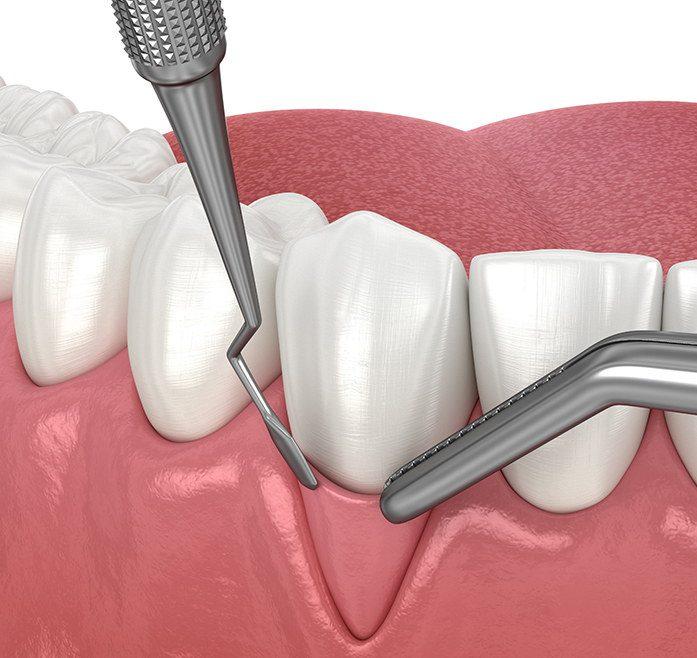
Teeth that look longer, a visible root, sensitivity to cold at the neck of the tooth: these are signs of gum recession, when the gum pulls back and exposes the root.
A gum graft in Turkey covers the exposed root and thickens the gum, usually with a small graft taken from the palate, or with a substitute. It protects the tooth, reduces sensitivity and improves the look of the smile. The procedure lasts 1 to 2 hours under local anesthesia, in the dental chair. The stay usually lasts 7 to 10 days, until the stitches are removed. The price depends on the number of teeth treated and is set in a free quote.
TurquieMed organizes your stay: forwarding your file to the dentist, opinion and detailed quote within 48 hours, airport pick-up, transfers, hotel, interpreter and 7-day-a-week assistance.
- Duration
- 1 to 2 hours
- Anesthesia
- Local
- Healing
- About 2 weeks
- Stay
- Usually 7 to 10 days
How much does a gum graft cost in Turkey?
The price depends on the number of teeth treated, the technique and the use of a substitute instead of tissue from the palate. It is usually significantly lower than prices in Western Europe or North America.
Your free quote is prepared after your photos and X-ray have been reviewed. Your flight is usually at your own expense.
Why have a gum graft in Turkey?
Gum grafting belongs to periodontics, a specialty in its own right. Turkish clinics with periodontists offer the latest techniques, which are less painful and more aesthetic.
- Specialized periodontists. The graft is performed by gum specialists, who also treat gum disease before the procedure.
- The tunnel technique. It treats several teeth at once, without cutting the gum, for more discreet healing.
- Substitutes for palate tissue. When possible, a matrix replaces tissue taken from the palate, which makes recovery more comfortable.
- The cause of recession treated. Brushing, tooth position or gum disease: the periodontist identifies the cause to stop the problem coming back.
- A stay until the stitches are removed. 7 to 10 days in Turkey, to check healing before your return.
Who is a gum graft for?
- receding gums exposing the root of one or more teeth;
- sensitivity to cold at the root;
- very thin gums, before orthodontic treatment or around an implant;
- a cosmetic concern: teeth that look too long.
The most common causes are brushing too hard, thin gums, gum disease or misaligned teeth. Active gum disease (periodontitis) must be treated before the graft, and the cause of recession corrected so that it does not come back.
What are the gum graft techniques?
Connective tissue graft
This is the reference technique for covering a root. A small piece of tissue is taken from under the surface of the palate, then slipped under the gum of the tooth being treated. The result is natural and long-lasting.
The tunnel technique
The gum is loosened through small incisions, without being cut, and the graft is slipped in. It treats several teeth at once, with more discreet healing.
Free gingival graft
It thickens very thin gums, for example around an implant, with a graft taken from the surface of the palate.
Substitutes
In some cases, a matrix of animal or synthetic origin replaces tissue from the palate, which makes recovery more comfortable.
How does your gum graft in Turkey work, step by step?
- You send photos of your gums and an X-ray. You receive an opinion and a quote.
- Day 1: examination and scaling if needed.
- Day 2: the graft, under local anesthesia.
- Days 3 to 9: rest and check-up, mouthwash.
- Days 7 to 10: removal of stitches and return.
For 2 weeks, eat soft, lukewarm food, do not brush the grafted area (use mouthwash instead), and do not smoke. The palate may be sensitive for a few days. Afterwards, use a soft toothbrush and brush gently. After your return, a check-up with your dentist and a scale and polish every 6 months keep your teeth and implants healthy. Bring back the reports, X-rays and implant card.
What are the risks of a gum graft?
A gum graft is a well-mastered procedure, with lasting results when the cause of recession is corrected.
| Possible effect | Frequency | Good to know |
|---|---|---|
| Swelling, discomfort, sensitive palate | Common | Disappear within 1 to 2 weeks |
| Slight bleeding from the palate | Possible in the first days | Stops with a compress |
| Incomplete root coverage | Uncommon | A touch-up is possible |
| Infection | Rare | Monitored at the check-up |
How to choose your clinic and quote?
A low price is not enough. Ask the hospital these questions before committing:
- Is the hospital authorized by the Turkish Ministry of Health to treat international patients?
- Who will perform the graft, and how experienced are they with this technique?
- Is the graft performed by a periodontist, a gum specialist?
- Has the cause of recession been identified, and how can it be prevented from coming back?
- Who takes care of a complication, on site and after your return home?
- What dental follow-up is planned, and with whom?
What a good quote should specify
- The name of the hospital and the doctor
- The tests, anesthesia, hospital stay and medication included
- The number of nights in hospital and at the hotel, and the transfers
- What happens in case of complication or cancellation
- The follow-up offered after your return
Also budget for your flight and follow-up consultations. Planned treatment in Turkey is usually not covered by public health insurance: ask your insurer in writing before committing.
Take time to think, and be wary of any offer that pushes you to decide quickly.
Our partner hospitals in Turkey








Frequently asked questions about gum grafts in Turkey
How much does a gum graft cost in Turkey?
The price depends on the number of teeth treated, the technique and the use of a substitute. It is usually significantly lower than prices in Western Europe or North America. The exact price appears on your free quote.
Is a gum graft painful?
Not during the procedure, thanks to local anesthesia. In the following days, the palate and grafted area are sensitive, which is relieved with simple painkillers and soft food.
Is the result permanent?
Yes, the grafted gum is long-lasting, provided the cause of recession is corrected: brushing too hard, gum disease or misaligned teeth.
How long do I need to stay in Turkey?
Usually 7 to 10 days, to remove the stitches and check healing before you go home.
Which documents should I send to get an opinion?
Send clear photos of your gums, a recent panoramic X-ray, your medical history (gum disease, smoking, diabetes) and current treatments.
Is a gum graft covered by insurance?
Most gum grafts are rarely covered by public health insurance. Some private dental insurers cover periodontics: ask for a detailed quote and an itemized invoice.
Request a free opinion and quote
Send us a recent panoramic X-ray, photos of your teeth and your medical history. The dentist will review them, and you will receive a detailed opinion and an estimated quote.