Retinal detachment surgery in Turkey: what you need to know before you travel
Symptoms, urgency, techniques, gas and silicone oil, flying, recovery and price: everything you need to know about retinal detachment surgery in Turkey.

What is retinal detachment surgery in Turkey?
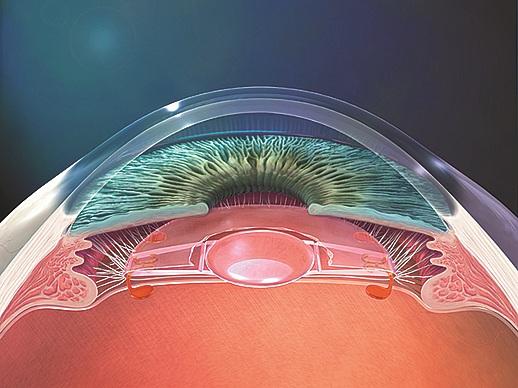
The retina is the thin membrane lining the back of the eye that captures images. When it detaches, often starting from a small tear, vision drops as if a curtain were closing. Operated on in time, a retinal detachment is repaired in the vast majority of cases.
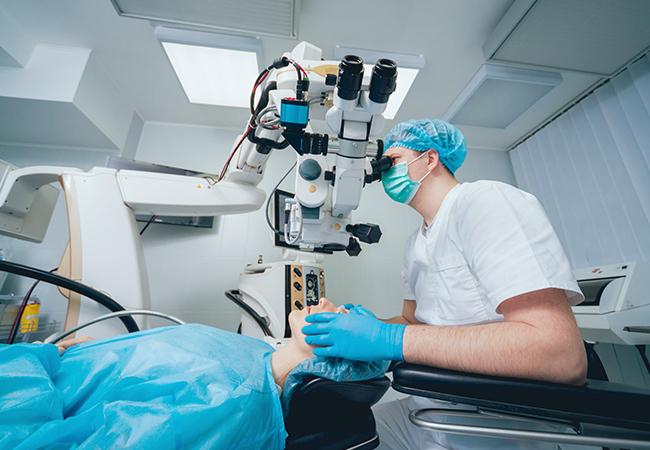
Retinal detachment surgery in Turkey is performed by retina specialists, by vitrectomy or scleral buckling, under local or general anesthesia. The retina is held in place by a gas bubble or silicone oil injected into the eye. A very important point for travel: with a gas bubble, flying is forbidden for 2 to 8 weeks. A recent detachment must be operated on urgently, near home. Turkey is mainly suited to planned operations: silicone oil removal, recurrence, complex cases or a second opinion. The price is set in a free quote.
TurquieMed organizes your stay: forwarding your file to the ophthalmology team, opinion and detailed quote within 48 hours, airport pick-up, transfers, hotel, interpreter and 7-day-a-week assistance.
- Duration
- 1 to 2 hours
- Anesthesia
- Local or general
- Flying with gas in the eye
- Forbidden for 2 to 8 weeks
- Success
- About 9 retinas in 10 reattached in one operation
How much does retinal detachment surgery cost in Turkey?
The price depends on the technique (vitrectomy, scleral buckling), the product used to hold the retina (gas or silicone oil), the complexity of the detachment and the need for a second operation to remove the oil. For a comparable level of care, the total cost in Turkey is often significantly lower than private prices in Western Europe or North America.
Your free quote is prepared after your file has been reviewed. It specifies the procedure, anesthesia, eye drops, check-ups, hotel, transfers and interpreter. Your flight is usually at your own expense.
Why have retinal surgery in Turkey?
Retinal surgery is among the most technical procedures in ophthalmology. For planned operations, such as a recurrence or silicone oil removal, Turkish retina centers offer great expertise with short waiting times.
- Specialized retina surgeons. Vitreoretinal surgeons in major centers treat complex detachments, recurrences and scarred retinas (proliferative vitreoretinopathy).
- Micro-incision vitrectomy. 25- or 27-gauge instruments allow surgery without stitches, with less inflammation and a more comfortable recovery.
- A product chosen with travel in mind. Gas or silicone oil: the surgeon takes your return flight into account, as oil allows you to travel soon after the check-up.
- Planned oil removal. This second operation, 3 to 6 months after the first, is easy to schedule on a fixed date, with a short stay.
- A specialist second opinion. For a retina that has already been operated on or vision that does not recover, the team studies your OCT and reports to tell you what is still possible.
What are the symptoms, and when is surgery needed?
Signs that require a consultation the same day:
- flashes of light, especially in dim light;
- a shower of dark spots or new “floaters”;
- a veil or curtain hiding part of the field of vision;
- a sudden drop in vision.
A simple retinal tear, without detachment, is treated in a few minutes by laser, without surgery. A detachment is repaired by surgery, all the better when the operation is quick, especially if the center of vision (the macula) is not yet affected.
When should you come to Turkey?
- silicone oil removal, planned 3 to 6 months after the first operation;
- a recurrent detachment or a complex case, with scarring on the retina;
- a second opinion on a retina already operated on;
- planned retinal surgery, such as a vitrectomy for a membrane or macular hole.
What are the surgical techniques?
Vitrectomy
This is the most widely used technique. Through three stitch-free micro-incisions, the surgeon removes the vitreous (the gel filling the eye), reattaches the retina, treats the tear by laser, then fills the eye with gas or silicone oil to hold the retina in place while it heals.
Scleral buckling
Mainly in younger patients, a small silicone band is sewn onto the outside of the eye to bring the wall closer to the retina. It stays in place for life, without discomfort.
Gas or silicone oil?
| Product | Time in the eye | Flying |
|---|---|---|
| Gas | Absorbs on its own in 2 to 8 weeks depending on the gas | Forbidden while gas remains: risk of a sharp rise in eye pressure |
| Silicone oil | Stays until removed, 3 to 6 months later | Allowed, with the surgeon’s approval |
With gas, nitrous oxide anesthesia and trips to high altitude are also forbidden. For a patient coming from abroad, silicone oil is often preferred, as it allows you to fly home.
How does the surgery work in Turkey, step by step?
- You send your file. Reports of your operations and retinal examinations (fundus exam, OCT, ultrasound). You receive an opinion and a quote.
- Day 1: assessment and consultation with the retina surgeon.
- Day 2: the operation, in 1 to 2 hours, under local or general anesthesia, usually as day surgery or with one night on site.
- The following days: positioning. Depending on the tear, you need to keep your head in a certain position (for example face down) for several hours a day, for a few days.
- Check-ups the next day and around day 7, then return if the surgeon allows (silicone oil) or after the gas has been absorbed.
After the operation
Vision is very blurred at first, especially with gas or oil, then improves over several weeks to several months. Use your eye drops for about 1 month. Avoid exertion, heavy lifting and swimming pools for 2 to 4 weeks. After an operation with silicone oil, a second procedure to remove it is planned 3 to 6 months later.
What are the risks of retinal detachment surgery?
Current surgery reattaches the retina in about 9 cases out of 10 at the first operation, and in the vast majority of cases after a second procedure if needed. Recovery of vision depends mainly on the state of the macula before surgery.
| Possible effect | Frequency | Good to know |
|---|---|---|
| Cataract in the following months | Common after 50 | Then operated on normally |
| Rise in eye pressure | Uncommon | Treated with eye drops |
| New detachment | About 1 case in 10 | Re-operated, with good results |
| Infection | Very rare | Needs urgent treatment |
How to choose your clinic and quote?
A low price is not enough. Ask the hospital these questions before committing:
- Is the hospital authorized by the Turkish Ministry of Health to treat international patients?
- Who will perform the surgery, and how experienced are they with this technique?
- Is the surgeon specialized in retinal surgery?
- Gas or silicone oil: which product is planned, and when will you be able to fly again?
- Who takes care of a complication, on site and after your return home?
- What ophthalmological follow-up is planned, and with whom?
What a good quote should specify
- The name of the hospital and the doctor
- The tests, anesthesia, hospital stay and medication included
- The number of nights in hospital and at the hotel, and the transfers
- What happens in case of complication or cancellation
- The follow-up offered after your return
Also budget for your flight and follow-up consultations. Planned treatment in Turkey is usually not covered by public health insurance: ask your insurer in writing before committing.
Take time to think, and be wary of any offer that pushes you to decide quickly.
Our partner hospitals in Turkey









Frequently asked questions about retinal detachment in Turkey
How much does retinal detachment surgery cost in Turkey?
The price depends on the technique, the product used (gas or silicone oil) and the complexity of the detachment. It is usually lower than private prices in Western Europe or North America. The exact price appears on your free quote, which specifies whether oil removal will be needed.
Can I wait to have surgery in Turkey?
No, for a recent detachment: it is an emergency, usually operated on within days, sometimes within hours if the center of vision is not yet affected. Have surgery near home. Turkey is suited to planned operations: silicone oil removal, recurrence, complex cases or a second opinion.
Can I fly after the operation?
With a gas bubble in the eye, no: flying is forbidden until the gas has been absorbed, 2 to 8 weeks depending on the gas, because eye pressure could rise dangerously. With silicone oil, flying is usually possible after the check-up, with the surgeon’s approval.
Why do I need to keep my head in a certain position?
The gas bubble or oil rises to the top of the eye. Keeping your head in the indicated position, for example face down, lets the bubble press on the tear while it heals. This usually lasts a few days, several hours a day.
Will I get my vision back?
If the retina is reattached and the center of vision was not detached, vision often returns well. If the macula was detached, recovery is slower and sometimes incomplete, with slightly distorted lines. Vision continues to improve for several months.
Which documents should I send to get an opinion?
Send the reports of your eye operations, your latest retinal examinations (fundus exam, OCT, eye ultrasound), your visual acuity, your medical history and current treatments, stating whether your eye contains gas or silicone oil.
Is surgery in Turkey covered by insurance?
Retinal detachment surgery is usually covered by health insurance when done at home, but planned treatment in Turkey is usually not reimbursed. Ask your insurer in writing before committing.
Request a free medical opinion and quote
Send us your complete medical file: eye examination reports, imaging and glasses prescription. The medical team will review it, and you will receive a detailed medical opinion and an estimated quote.