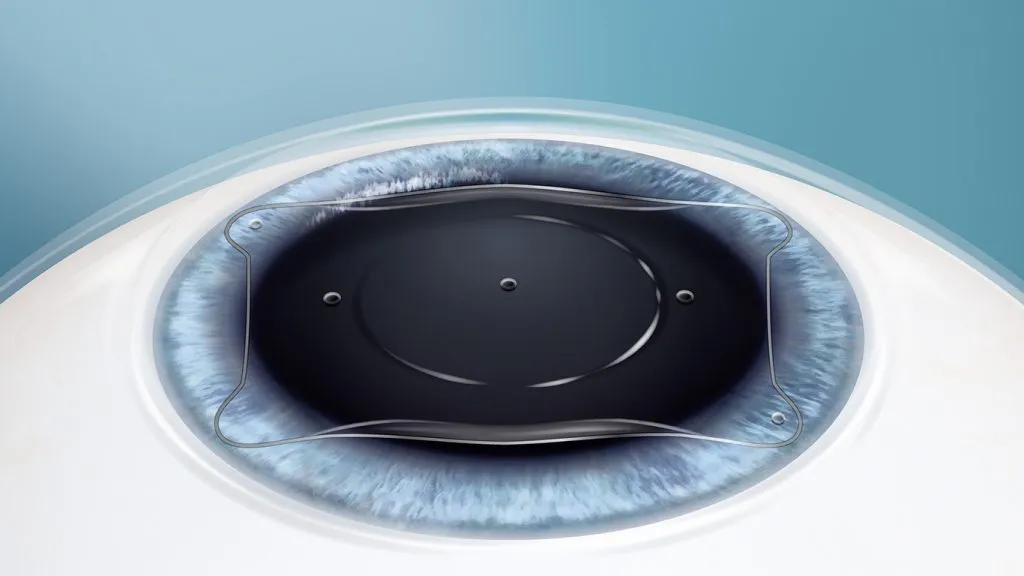
Cornea transplant in Turkey: a clear cornea again, without a long wait
Indications, keratoconus, cross-linking, transplant techniques, procedure, rejection, recovery and price: everything you need to know before a cornea transplant in Turkey.
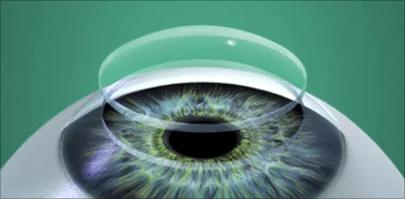
What is a cornea transplant in Turkey?
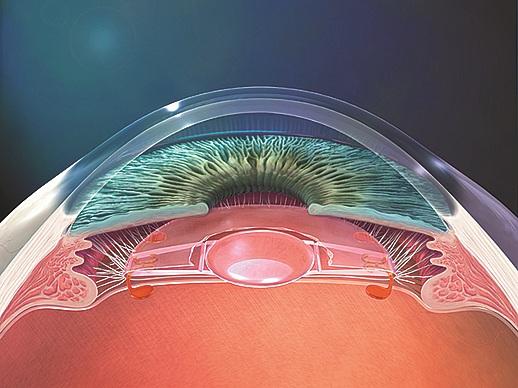
The cornea is the clear window at the front of the eye. When it becomes misshapen, as in keratoconus, or cloudy, after an infection, an injury or a disease such as Fuchs dystrophy, vision drops and glasses can no longer correct it.
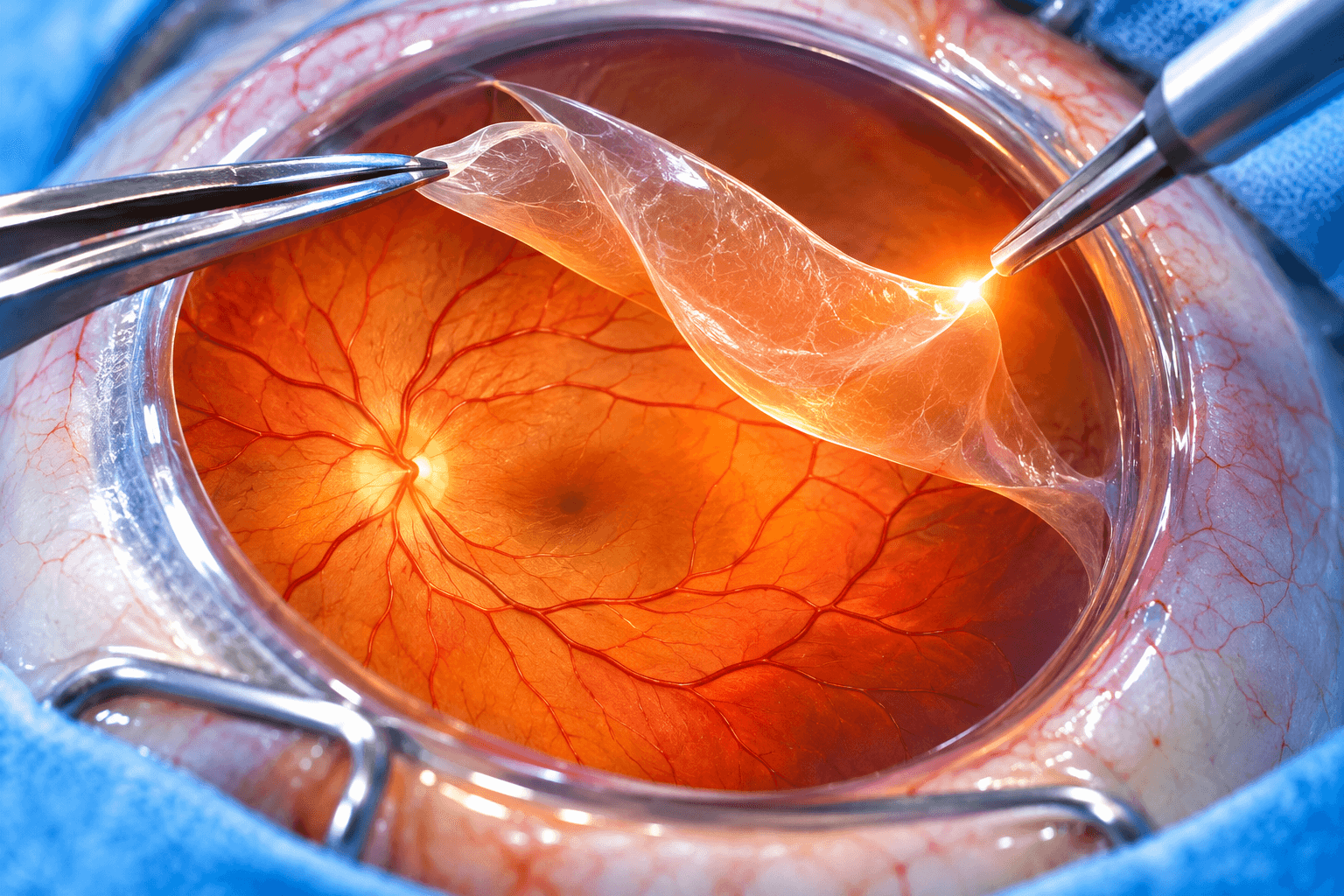
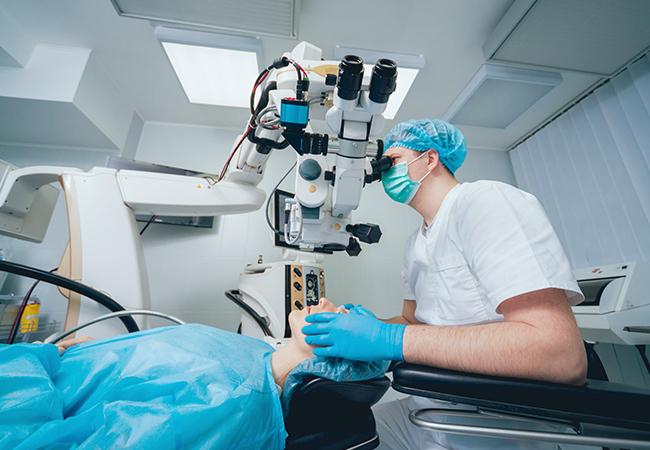
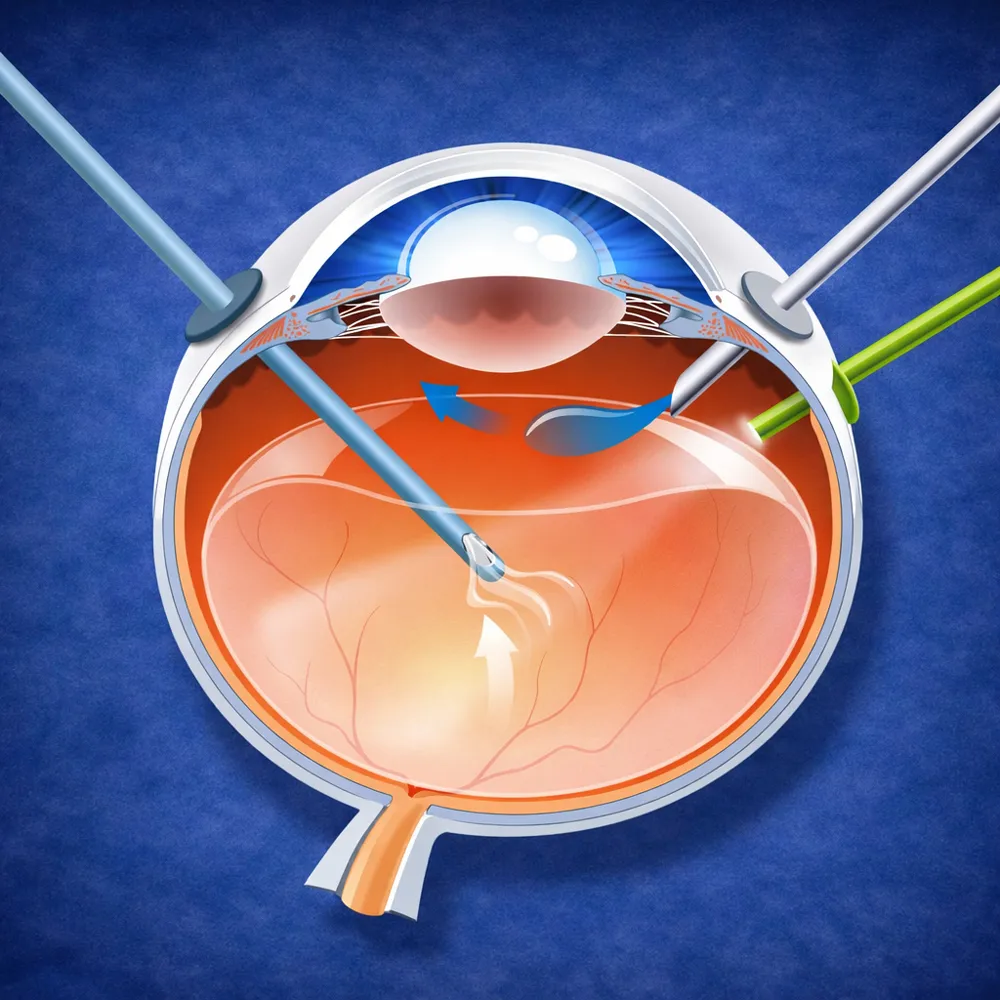
A cornea transplant in Turkey replaces all or part of the diseased cornea with a healthy donor cornea, supplied by an approved tissue bank. Depending on the part affected, the surgeon transplants the full thickness of the cornea (penetrating keratoplasty), only the front (DALK) or only the deep layer (DMEK, DSAEK). The operation takes about 1 hour, under local or general anesthesia. The waiting time is usually short. Plan on 7 to 14 days in Turkey. The price is set in a free quote.
TurquieMed organizes your stay: forwarding your file to the ophthalmology team, opinion and detailed quote within 48 hours, airport pick-up, transfers, hotel, interpreter and 7-day-a-week assistance.
Please note: vision recovery after a full-thickness transplant takes several months, and follow-up lasts several years. It must be arranged with an ophthalmologist near home before you leave.
- Duration
- About 1 hour
- Anesthesia
- Local or general
- Stay
- Usually 7 to 14 days
- Follow-up
- Several years, with your ophthalmologist
How much does a cornea transplant cost in Turkey?
The price depends on the transplant technique, the donor cornea (the tissue supplied by the bank is one of the largest items) and the length of stay. For a comparable level of care, the total cost in Turkey is often significantly lower than private prices in Western Europe or North America.
Your free quote is prepared after your file has been reviewed. It specifies the technique, graft, procedure, eye drops, check-ups, hotel, transfers and interpreter. Your flight is usually at your own expense.
Why have a cornea transplant in Turkey?
A cornea transplant requires both a quality graft and a surgeon trained in modern techniques. Turkish cornea centers meet both conditions, with short waiting times.
- Grafts available quickly. Corneas come from approved tissue banks that check their quality: the date of surgery is set in advance, without a long wait.
- Modern partial transplants. DALK for keratoconus, DMEK and DSAEK for Fuchs dystrophy: replacing only the diseased part reduces the risk of rejection and speeds up recovery.
- Complete keratoconus care. Cross-linking, intracorneal rings, scleral lenses and transplant: every step is offered, and a transplant is only chosen when truly necessary.
- Cornea specialists. Surgeons dedicated to the cornea also manage complications, such as astigmatism after a transplant or repositioning a DMEK.
- A follow-up schedule given on departure. You leave with the eye drop schedule, the warning signs of rejection and a detailed report for your ophthalmologist.
Who is a cornea transplant for?
A transplant is offered when the cornea no longer allows adequate vision, despite other treatments:
- advanced keratoconus, when rigid contact lenses are no longer tolerated or are no longer enough;
- Fuchs dystrophy or corneal edema, often after 50;
- a corneal scar after an infection, herpes or an injury;
- a previous transplant that has lost its clarity.
Keratoconus: a transplant is not the first step
In early keratoconus, cross-linking strengthens the cornea and stops the deformation: it is done in one session, with vitamin B2 drops and UV light. Rigid or scleral lenses, then rings placed in the cornea, improve vision. A transplant is only offered when these solutions are no longer enough.
What are the transplant techniques?
| Technique | What is replaced | Who it suits |
|---|---|---|
| Penetrating | The full thickness of the cornea, held with stitches | Deep scars, cases where a partial transplant is not possible |
| DALK (deep anterior lamellar) | The front of the cornea, keeping the patient’s deep layer | Keratoconus, superficial scars; lower risk of rejection |
| DMEK, DSAEK (endothelial) | Only the thin deep layer, held by an air bubble | Fuchs dystrophy, corneal edema; fast recovery |
Partial transplants recover faster and carry less risk of rejection. The surgeon chooses the technique according to the part of the cornea affected.
How does the transplant work in Turkey, step by step?
- You send your file. Eye examination reports, corneal topography and medical history. You receive an opinion and a quote.
- Reservation of the graft from an approved tissue bank, for a set date of surgery.
- Day 1: assessment and consultation with the surgeon.
- Day 2: the transplant, in about 1 hour, then back to the hotel or one night on site.
- The following days: check-ups. After a DMEK, you need to lie on your back for several hours a day for 1 to 3 days, so the air bubble presses the graft into place.
- Days 7 to 14: final check-up and return, with your report and eye drop schedule.
After the transplant
Steroid eye drops protect the graft against rejection: they are used for several months, sometimes longer, with the dose gradually reduced. After a penetrating transplant, vision improves over 6 to 12 months, and the stitches are removed gradually between 12 and 18 months. After a DMEK, vision often returns within a few weeks. Flying is possible once the air bubble has been absorbed and with the surgeon’s approval, usually within the week.
What are the risks of a cornea transplant?
The cornea transplant is the most frequently performed transplant in the world, with excellent results: for keratoconus, more than 9 grafts in 10 remain clear after 5 years. Rejection, when it occurs, is usually treated well if managed early.
| Possible effect | Frequency | Good to know |
|---|---|---|
| Astigmatism after the transplant | Common after a penetrating transplant | Corrected by glasses, contact lenses or adjusting the stitches |
| Graft rejection | Uncommon, rarer with DALK and DMEK | Treated with stronger eye drops if managed early |
| Rise in eye pressure | Uncommon | Linked to steroid drops, monitored at check-ups |
| Graft needing repositioning (DMEK) | Possible | A simple air injection, without a new transplant |
How to choose your clinic and quote?
A low price is not enough. Ask the hospital these questions before committing:
- Is the hospital authorized by the Turkish Ministry of Health to treat international patients?
- Who will perform the transplant, and how experienced are they with this technique?
- Is the surgeon a cornea specialist, and do they perform partial transplants (DALK, DMEK)?
- Where does the graft come from (which approved tissue bank), and is its price included in the quote?
- Who takes care of a complication, on site and after your return home?
- What ophthalmological follow-up is planned, and with whom?
What a good quote should specify
- The name of the hospital and the doctor
- The tests, anesthesia, hospital stay and medication included
- The number of nights in hospital and at the hotel, and the transfers
- What happens in case of complication or cancellation
- The follow-up offered after your return
Also budget for your flight and follow-up consultations. Planned treatment in Turkey is usually not covered by public health insurance: ask your insurer in writing before committing.
Take time to think, and be wary of any offer that pushes you to decide quickly.
Our partner hospitals in Turkey









Frequently asked questions about cornea transplants in Turkey
How much does a cornea transplant cost in Turkey?
The price depends on the transplant technique, the graft supplied by the tissue bank and the length of stay. It is usually lower than private prices in Western Europe or North America. The exact price appears on your free quote, which should specify whether the graft is included.
Is there a long wait for a cornea?
In Turkey, the waiting time is usually short, from a few days to a few weeks: the date of surgery is set with the graft reserved in advance. The cornea comes from an approved tissue bank, which checks its quality and safety.
How long do I need to stay in Turkey?
Usually 7 to 14 days: assessment, transplant, then several check-ups in the first week to make sure the graft is in place. After a DMEK, you must wait until the air bubble has been absorbed before flying.
When does vision come back?
After a DMEK, vision often improves within a few weeks. After a penetrating transplant or DALK, allow 6 to 12 months, sometimes with glasses or contact lenses afterwards to correct astigmatism.
Can keratoconus be treated without a transplant?
Often, yes, if caught early: cross-linking stops it from progressing, and rigid or scleral lenses and intracorneal rings improve vision. A transplant is only offered at advanced stages.
Which documents should I send to get an opinion?
Send your eye examination reports, your corneal topography or tomography, your visual acuity with and without correction, and your medical history (eye herpes, previous transplants, glaucoma).
Is a transplant in Turkey covered by insurance?
Cornea transplants are usually covered by health insurance when done at home, but planned treatment in Turkey is usually not reimbursed. Ask your insurer in writing before committing.
Request a free medical opinion and quote
Send us your complete medical file: eye examination reports, imaging and glasses prescription. The medical team will review it, and you will receive a detailed medical opinion and an estimated quote.