Thyroid cancer treatment in Turkey: specialized surgery and complete follow-up
Symptoms, diagnosis, surgery, radioactive iodine, follow-up and prices: everything you need to know about thyroid cancer treatment in Turkey.
What does thyroid cancer treatment in Turkey involve?
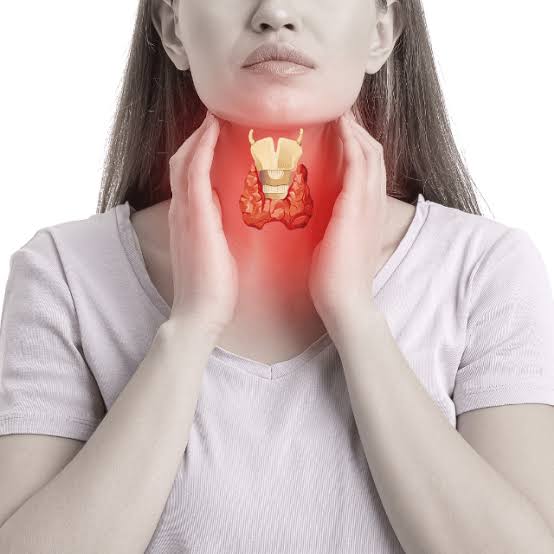
A nodule felt in the neck or found on an ultrasound: this is most often how thyroid cancer is discovered. It is one of the most treatable cancers: the vast majority of patients are cured.
Thyroid cancer treatment in Turkey is provided by specialized thyroid surgeons, endocrinologists and nuclear medicine physicians in modern hospitals in Istanbul, Ankara and Izmir, authorized by the Turkish Ministry of Health. It relies on surgery, removing all or part of the thyroid, sometimes followed by radioactive iodine treatment. A first opinion can be given remotely based on your ultrasound and fine-needle aspiration result. For surgery, plan on 5 to 7 days in Turkey. The price is set in a free quote, after your file has been reviewed.
TurquieMed organizes your stay: forwarding your file to the medical team, opinion and detailed quote within 48 hours, airport pick-up, transfers, hotel, interpreter and 7-day-a-week assistance.
The key criterion for choosing well is the surgeon’s experience in thyroid surgery: it clearly reduces the risk of affecting the voice or the parathyroid glands.
- First opinion
- Within 48 hours, based on your file
- Treatments
- Surgery, radioactive iodine
- Stay for surgery
- Usually 5 to 7 days
- Follow-up
- With your endocrinologist, back home
How much does thyroid cancer treatment cost in Turkey?
The price depends on the extent of the operation (half or all of the thyroid, with or without lymph nodes) and whether radioactive iodine treatment is needed. For a comparable level of care, the total cost in Turkey is often significantly lower than in Western Europe or North America.
Your free quote is prepared after your file has been reviewed. It details each step: tests, surgery, hospital stay, tumor analysis, radioactive iodine if needed, hotel, transfers and interpreter. Your flight is usually at your own expense.
Why have thyroid cancer treated in Turkey?
Thyroid surgery is a delicate operation: preserving the voice and the parathyroid glands depends directly on the surgeon’s experience. Specialized Turkish centers perform a large number of these operations every year.
- Highly experienced thyroid surgeons. Thyroid diseases are common in Turkey: endocrine surgeons in reference centers perform thyroidectomies every day.
- Protecting your voice. Neuromonitoring, which monitors the voice nerves throughout the operation, is used in major centers to reduce the risk of hoarseness.
- A precise diagnosis. Neck ultrasound performed by specialists, fine-needle aspiration classified according to the international Bethesda system, and assessment of the lymph nodes before surgery.
- Nuclear medicine on site. Nuclear medicine departments provide radioactive iodine treatment when needed, in a shielded room.
- Hormone follow-up prepared for you. The endocrinology team adjusts your levothyroxine treatment and gives you a follow-up schedule (TSH, thyroglobulin, ultrasound) to continue with your endocrinologist.
- A short, organized stay. An opinion on your file within days, surgery without a waiting list, and a stay of only 5 to 7 days.
What are the causes and risk factors of thyroid cancer?
Most thyroid nodules are benign. However, some factors increase the risk of cancer:
- radiation exposure: especially in childhood: radiotherapy to the neck or nuclear fallout;
- being female: women are affected about three times more often than men;
- a family history: of thyroid cancer;
- a hereditary form: medullary cancer is sometimes linked to a RET gene mutation, which should be checked in the family.
A nodule found on ultrasound is not cancer in the vast majority of cases: only a fine-needle aspiration can tell, when it is indicated.
What are the symptoms of thyroid cancer?
Most often, it causes no symptoms and is found by chance. Sometimes it may cause:
- a painless lump at the front of the neck;
- a growing lymph node on the side of the neck;
- a lasting hoarse voice;
- difficulty swallowing or breathing.
Rest assured: thyroid nodules are very common and more than 9 out of 10 are benign. Only tests can tell.
How is thyroid cancer diagnosed?
Neck ultrasound
It measures the nodule and spots the features that call for further testing. It also examines the lymph nodes in the neck.
Fine-needle aspiration
A thin needle, guided by ultrasound, takes a few cells from the nodule. It is quick and causes little pain. The result is classified according to an international system (Bethesda), which states whether the nodule is benign, suspicious or cancerous.
Blood tests
They check how the thyroid is working (TSH) and, depending on the case, calcitonin.
What are the types of thyroid cancer and the chances of cure?
The type of cancer, identified by analysing the tumor, matters as much as its extent when choosing treatment.
| Type | Frequency | Good to know |
|---|---|---|
| Papillary | The most common (about 8 out of 10 cases) | Grows slowly; excellent outlook |
| Follicular | About 1 in 10 cases | Good outlook; can spread to bones or lungs |
| Medullary | Rare | Can be hereditary; does not respond to radioactive iodine |
| Anaplastic | Very rare | Grows very fast; urgent treatment |
Papillary and follicular cancers, the most common, are cured in the vast majority of cases. Age also matters: under 55, the outlook is particularly good, even if lymph nodes are affected.
What are the treatments for thyroid cancer?
Treatment depends on the type of cancer, its size and whether the lymph nodes are involved.
Surgery
The surgeon removes half of the thyroid (lobectomy) for small tumors, or all of it (total thyroidectomy), sometimes with the lymph nodes of the neck. The operation lasts 1 to 3 hours, through a small incision at the base of the neck, followed by 1 to 2 nights in hospital.
Radioactive iodine
After a total thyroidectomy, a radioactive iodine capsule is sometimes prescribed to destroy the last thyroid cells. It is taken during a 2 to 3 day hospital stay in a shielded room.
Hormone treatment
After removal of the whole thyroid, a thyroid hormone tablet (levothyroxine) is taken every morning, for life. It fully replaces the thyroid.
Active surveillance
For some very small cancers, under 1 cm and with no worrying features, simple monitoring by ultrasound may be offered instead of surgery.
How does your treatment in Turkey work?
- You send your file. The surgeon proposes a protocol and you receive a detailed quote.
- Day 1: arrival and tests. Airport pick-up, consultation, ultrasound and blood tests.
- Day 2: the operation. Under general anesthesia, lasting 1 to 3 hours.
- Days 3 and 4: hospital stay. Monitoring of the voice and blood calcium.
- Days 5 to 7: hotel, check-up and return. Scar check, handover of your file and prescriptions, then flight home.
If radioactive iodine treatment is planned, it usually takes place 1 to 3 months after the operation, in Turkey or close to home.
Follow-up after treatment
Follow-up combines a blood test (TSH, thyroglobulin) and a neck ultrasound, first after a few months, then every year. The levothyroxine dose is adjusted according to the results. This follow-up takes place close to home, with your endocrinologist.
Bring back from Turkey the surgical report and the pathology report: they will allow your doctor to take over without interruption.
What are the possible side effects?
Thyroid surgery is a common, well-mastered operation. Most side effects are mild and temporary.
| Effect | After which treatment | Good to know |
|---|---|---|
| Discomfort when swallowing, neck pain | Surgery | They pass within a few days |
| Slightly hoarse voice | Surgery | Usually temporary, the voice returns within a few weeks |
| Tingling in the fingers (low calcium) | Total thyroidectomy | Corrected with calcium tablets, usually for a few weeks |
| Dry mouth, altered taste | Radioactive iodine | Drinking plenty and sucking sour sweets helps |
How to choose your hospital and quote?
A low price is not enough. Ask the hospital these questions before committing:
- Is the hospital authorized by the Turkish Ministry of Health to treat international patients?
- Who will perform the operation, and how experienced are they with this technique?
- How many thyroid surgeries does the surgeon perform each year?
- Are the voice nerves monitored during the operation (neuromonitoring)?
- Who takes care of a complication, on site and after your return home?
- What medical follow-up is planned, and with whom?
What a good quote should specify
- The name of the hospital and the doctor
- The tests, anesthesia, hospital stay and medication included
- The number of nights in hospital and at the hotel, and the transfers
- What happens in case of complication or cancellation
- The follow-up offered after your return
Also budget for your flight and follow-up consultations. Planned treatment in Turkey is usually not covered by public health insurance: ask your insurer in writing before committing.
Take time to think, and be wary of any offer that pushes you to decide quickly.
Our partner hospitals in Turkey






Frequently asked questions about thyroid cancer treatment in Turkey
How much does thyroid cancer treatment cost in Turkey?
The price depends on the extent of the operation and whether radioactive iodine treatment is needed. It is usually significantly lower than prices in Western Europe or North America. The exact price appears on your free quote, prepared after your file has been reviewed.
What are the chances of a cure?
They are excellent: for the most common cancers, known as papillary, more than 95% of patients are alive 10 years after diagnosis. Thyroid cancer is one of the most treatable cancers.
Will I need to take medication for life?
If the whole thyroid is removed, yes: one levothyroxine tablet every morning, for life. It fully replaces the thyroid hormone and allows a normal life. After a lobectomy, the remaining half is often enough, with no treatment.
Will the scar be visible?
The incision is usually 4 to 6 cm long, placed in a natural crease of the neck. It most often becomes very discreet after a few months. Keep the scar out of the sun during the first year.
How long do I need to stay in Turkey?
For thyroid surgery, plan on 5 to 7 days: tests, the operation, 1 to 2 nights in hospital, then a check-up before returning home. Radioactive iodine treatment, if needed, takes place a few weeks later.
Which documents should I send to get an opinion?
Send the thyroid and neck ultrasound, the fine-needle aspiration result, your blood tests (TSH, and calcitonin if measured), your medical history and current treatments. With a complete file, the team can usually give a first opinion within a few days.
Is treatment in Turkey covered by insurance?
Planned treatment in Turkey is usually not covered by public health insurance systems, which generally only reimburse urgent and unforeseen care abroad. Some private insurers and international health plans do cover treatment abroad: ask your insurer in writing before committing, and keep all your invoices and medical reports.
Request a free medical opinion and quote
Send us your complete medical file: reports, imaging and test results. The medical team will review it, and you will receive a detailed medical opinion and an estimated quote.