Laser eye surgery in Turkey: free yourself from glasses and contact lenses
LASIK, PRK, SMILE, criteria for surgery, procedure, recovery, risks and price: everything you need to know before laser eye surgery in Turkey.
What is laser eye surgery in Turkey?
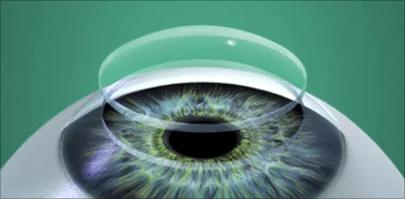
No more looking for your glasses when you wake up, swimming or doing sport without contact lenses: refractive surgery corrects short-sightedness, long-sightedness and astigmatism by reshaping the cornea with a laser. It is one of the most requested procedures in Turkey.
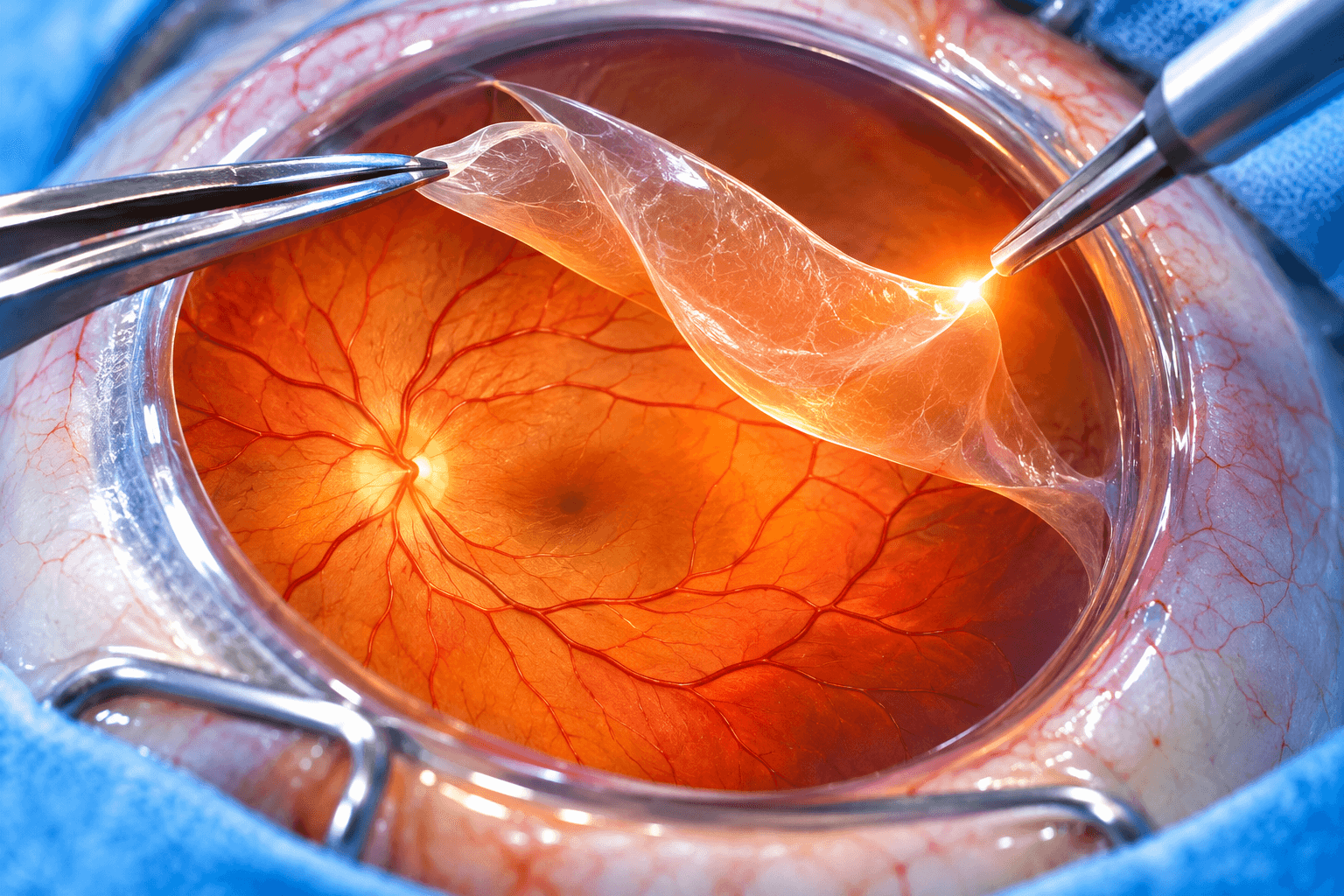
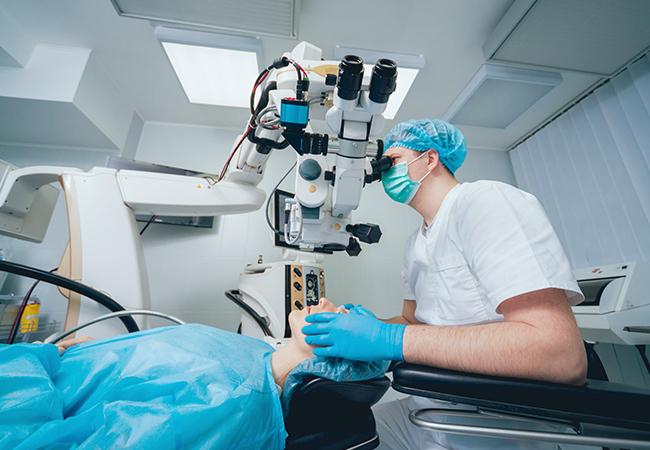
Laser eye surgery in Turkey is done by LASIK (femto-LASIK), PRK or SMILE, depending on the thickness and shape of your cornea. The procedure takes about 10 to 15 minutes for both eyes, operated on the same day, under local anesthesia with eye drops. With LASIK or SMILE, vision is clear from the next day in most cases. The stay usually lasts 3 to 4 days. When laser is not possible, a lens implant may be offered. The price depends on the technique and is set in a free quote.
TurquieMed organizes your stay: forwarding your file to the ophthalmology team, opinion and detailed quote within 48 hours, airport pick-up, transfers, hotel, interpreter and 7-day-a-week assistance.
To choose well, the key point is the pre-operative assessment: it tells whether your eyes can be operated on safely, and with which technique. A serious clinic refuses to operate when the cornea is not suitable.
- Duration
- 10 to 15 minutes for both eyes
- Anesthesia
- Local, with eye drops
- Clear vision
- From the next day (LASIK, SMILE)
- Stay
- Usually 3 to 4 days
How much does laser eye surgery cost in Turkey?
The price depends on the technique (PRK, femto-LASIK or SMILE) and the tests performed. It is usually quoted for both eyes. For a comparable level of care, the total cost in Turkey is often significantly lower than in Western Europe or North America.
Your free quote is prepared after your file has been reviewed. It specifies the proposed technique, the full assessment, the procedure, eye drops, check-ups, hotel, transfers and interpreter. Your flight is usually at your own expense.
Why have laser eye surgery in Turkey?
The success of laser surgery depends first on patient selection: a well-studied cornea means a safe, lasting correction. Turkish refractive surgery centers offer every technique, allowing the one that truly suits your eyes to be chosen.
- Every technique in one place. Femto-LASIK, PRK, SMILE and ICL implants: the surgeon is not limited to one method and suggests the one best suited to your cornea.
- Rigorous keratoconus screening. Corneal topography and tomography, thickness measurement and tear film examination rule out eyes that should not have laser surgery.
- Latest-generation lasers. Recent femtosecond and excimer lasers, with eye tracking during treatment, for precise correction in a few seconds.
- A stay of 3 to 4 days. Assessment, surgery on both eyes on the same day and a check-up the next day: you go home within days, often with clear vision the day after LASIK or SMILE.
- Support after your return. You leave with your report, eye drop prescription and follow-up instructions, to be checked by your ophthalmologist after 1 month.
Who is laser eye surgery for?
You can usually be operated on if:
- you are at least 18, ideally over 20;
- your vision has been stable for at least 1 year;
- your prescription is within laser limits: usually up to about −8 to −10 for short-sightedness, +4 for long-sightedness and 5 to 6 for astigmatism;
- your cornea is thick enough and regular in shape, with no keratoconus;
- your eyes are healthy, without cataract, advanced glaucoma or severe dryness.
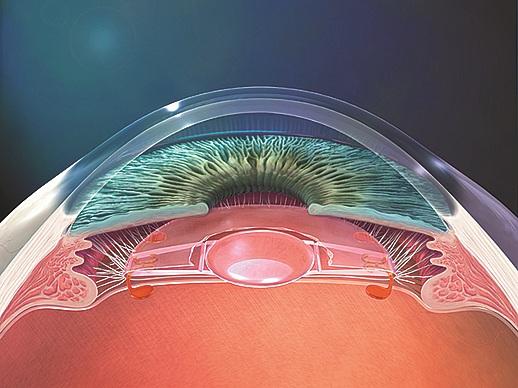
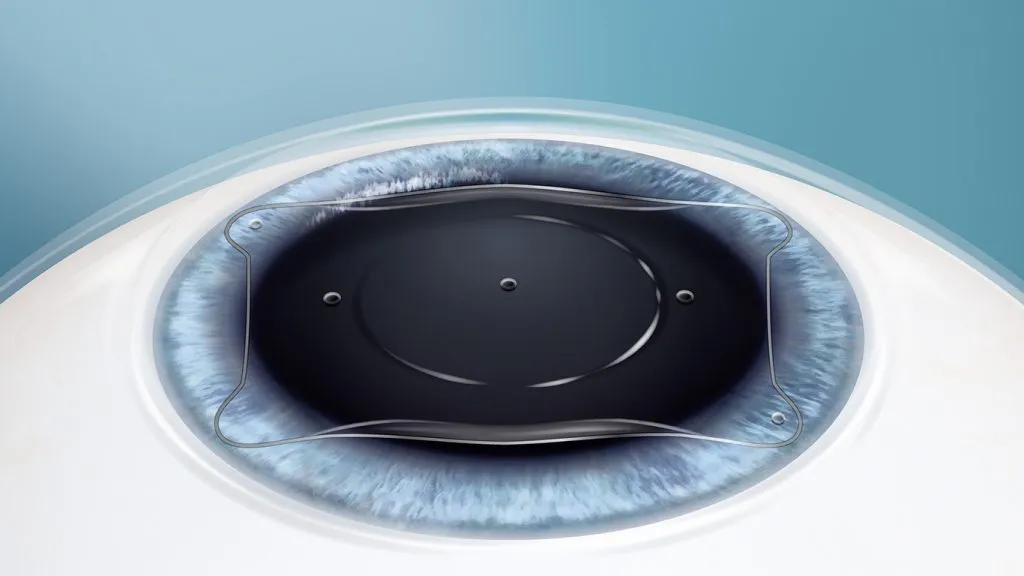
Pregnancy and breastfeeding mean postponing surgery. If laser is not possible (high short-sightedness, cornea too thin), a lens implanted in the eye can be a good alternative: see our page on ICL lens implantation.
What about presbyopia?
After 45, near vision naturally declines. Laser can partly compensate for this, for example by setting one eye for distance and the other for near (monovision). After 50, replacing the lens with a multifocal implant is often more suitable.
LASIK, PRK or SMILE: which technique to choose?
| Technique | Principle | Recovery |
|---|---|---|
| Femto-LASIK | One laser cuts a thin flap in the cornea, a second laser corrects vision under this flap | Clear vision from the next day, little discomfort |
| PRK | The laser works on the surface of the cornea, without cutting | Discomfort for 3 to 5 days, clear vision in 1 to 2 weeks; suited to thin corneas and contact sports |
| SMILE | The laser removes a small disc of tissue through a 2 to 4 mm incision | Clear vision within a few days, less dryness; mainly for short-sightedness |
The surgeon chooses the technique according to the thickness and shape of your cornea, your prescription and your activities. Visual results of the three techniques are comparable.
How does laser eye surgery work in Turkey, step by step?
- You send your file. Your glasses or contact lens prescription and latest examinations. You receive a first opinion and a quote.
- Before leaving: stop wearing contact lenses. Usually 1 week before the assessment for soft lenses, 3 to 4 weeks for rigid lenses, as they change the shape of the cornea.
- Day 1: full assessment. Vision test, corneal topography and thickness, retinal examination, consultation with the surgeon.
- Day 2: the operation. About 10 to 15 minutes for both eyes, then back to the hotel to rest.
- Day 3: check-up. Most patients already see clearly after LASIK or SMILE.
- Day 4: return. Handover of your report and eye drop prescription.
After surgery
You use eye drops for about 1 month, and artificial tears sometimes for longer. Avoid rubbing your eyes for 1 week, swimming pools and make-up for 1 to 2 weeks, and contact sports for 1 month. Flying is usually possible from the next day. A check-up near home is recommended after 1 month.
What are the risks of laser eye surgery?
When appropriate, refractive surgery is very safe: the vast majority of patients no longer need glasses day to day. Most side effects are temporary.
| Possible effect | Frequency | Good to know |
|---|---|---|
| Dry eyes | Common in the first months | Relieved by artificial tears, they usually improve within 3 to 6 months |
| Halos and glare at night | Common at first | Ease within a few weeks to a few months |
| Incomplete correction | Uncommon | A laser touch-up is often possible after a few months |
| Corneal bulging (ectasia) | Very rare | The pre-operative assessment is designed to prevent it |
Refractive surgery does not prevent presbyopia around 45, or a cataract later on: it can be operated on normally.
How to choose your clinic and quote?
A low price is not enough. Ask the hospital these questions before committing:
- Is the hospital authorized by the Turkish Ministry of Health to treat international patients?
- Who will perform the surgery, and how experienced are they with this technique?
- Is the full assessment (topography, corneal thickness, retinal exam) done before surgery is confirmed?
- Is a touch-up included if the correction is incomplete, and at what price?
- Who takes care of a complication, on site and after your return home?
- What ophthalmological follow-up is planned, and with whom?
What a good quote should specify
- The name of the hospital and the doctor
- The tests, anesthesia, hospital stay and medication included
- The number of nights in hospital and at the hotel, and the transfers
- What happens in case of complication or cancellation
- The follow-up offered after your return
Also budget for your flight and follow-up consultations. Planned treatment in Turkey is usually not covered by public health insurance: ask your insurer in writing before committing.
Take time to think, and be wary of any offer that pushes you to decide quickly.
Our partner hospitals in Turkey







Frequently asked questions about laser eye surgery in Turkey
How much does laser eye surgery cost in Turkey?
The price depends on the technique: PRK is usually the cheapest, femto-LASIK and SMILE more expensive. It is often significantly lower than prices in Western Europe or North America. The exact price, usually for both eyes, appears on your free quote, which specifies the assessment, procedure, eye drops and check-ups.
Is the surgery painful?
No. The eyes are numbed with drops and the procedure only takes a few minutes per eye. You may feel slight pressure. After LASIK or SMILE, the eyes sting or water for a few hours. After PRK, discomfort lasts 3 to 5 days and is relieved with medication.
Are the results permanent?
The laser correction is permanent. However, the eye continues to age: presbyopia appears around 45 and a cataract later, as for everyone. A slight change in short-sightedness is possible in some patients, which is why stable vision before surgery matters.
How long do I need to stay in Turkey?
Usually 3 to 4 days: assessment on the first day, surgery the next day, check-up the following day, then return. Flying is possible from the day after surgery.
When can I return to work and drive?
After LASIK or SMILE, most patients return to office work within 2 to 3 days. After PRK, allow about 1 week. Driving is possible as soon as vision is sufficient, which the check-up confirms.
What if my eyes cannot have laser surgery?
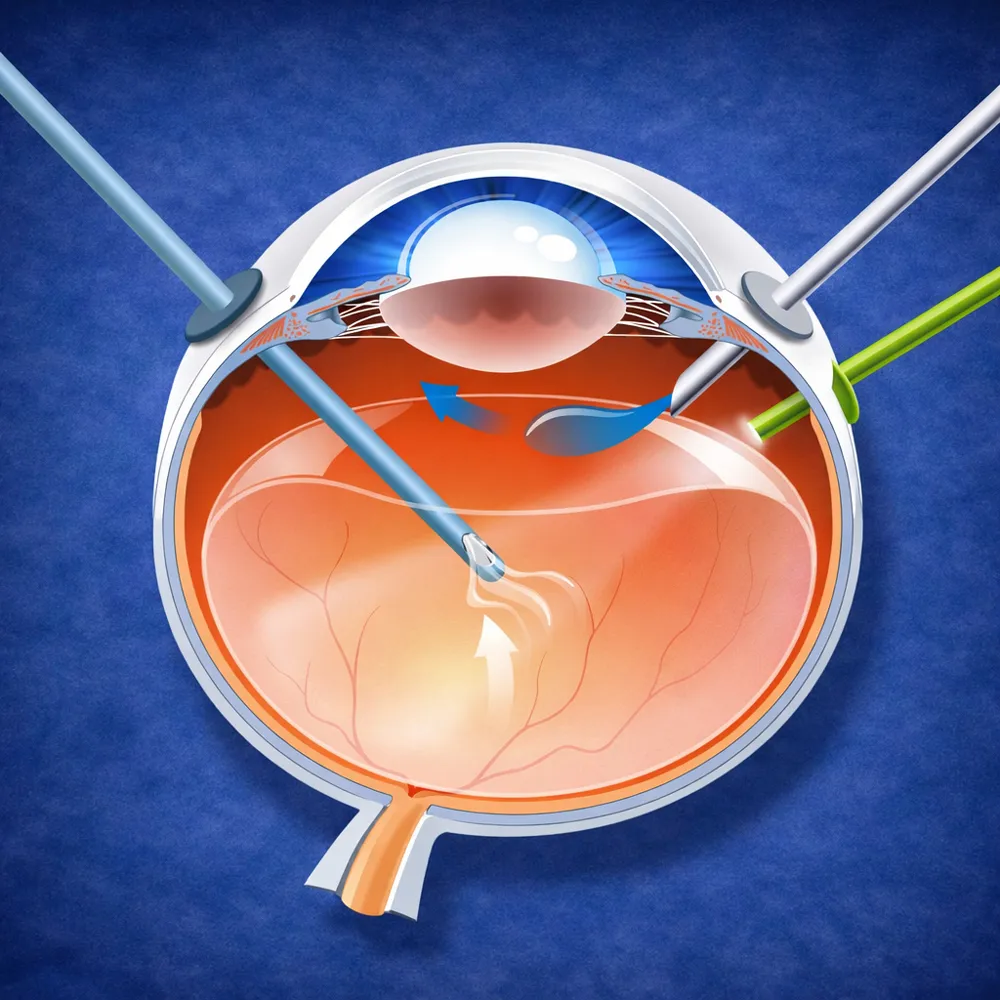
If your short-sightedness is too high or your cornea too thin, an implant placed in the eye in front of the natural lens (ICL) can correct vision without touching the cornea. After 50, replacing the lens with an implant is often preferable. The assessment will guide you.
Is laser eye surgery covered by insurance?
Generally not: laser eye surgery is rarely covered by public health insurance. Some private insurers offer a contribution: check with yours, using the clinic’s itemized invoice.
Request a free medical opinion and quote
Send us your complete medical file: eye examination reports, imaging and glasses prescription. The medical team will review it, and you will receive a detailed medical opinion and an estimated quote.