Cataract surgery in Turkey: clear vision again, with the right lens for your life
Techniques, choosing the lens, procedure, recovery, risks and price: everything you need to know before cataract surgery in Turkey.
What is cataract surgery in Turkey?
Cloudy vision, duller colors, glare when driving at night: a cataract is the gradual clouding of the lens, the eye’s natural lens. It affects most people after 65, and only surgery can treat it.
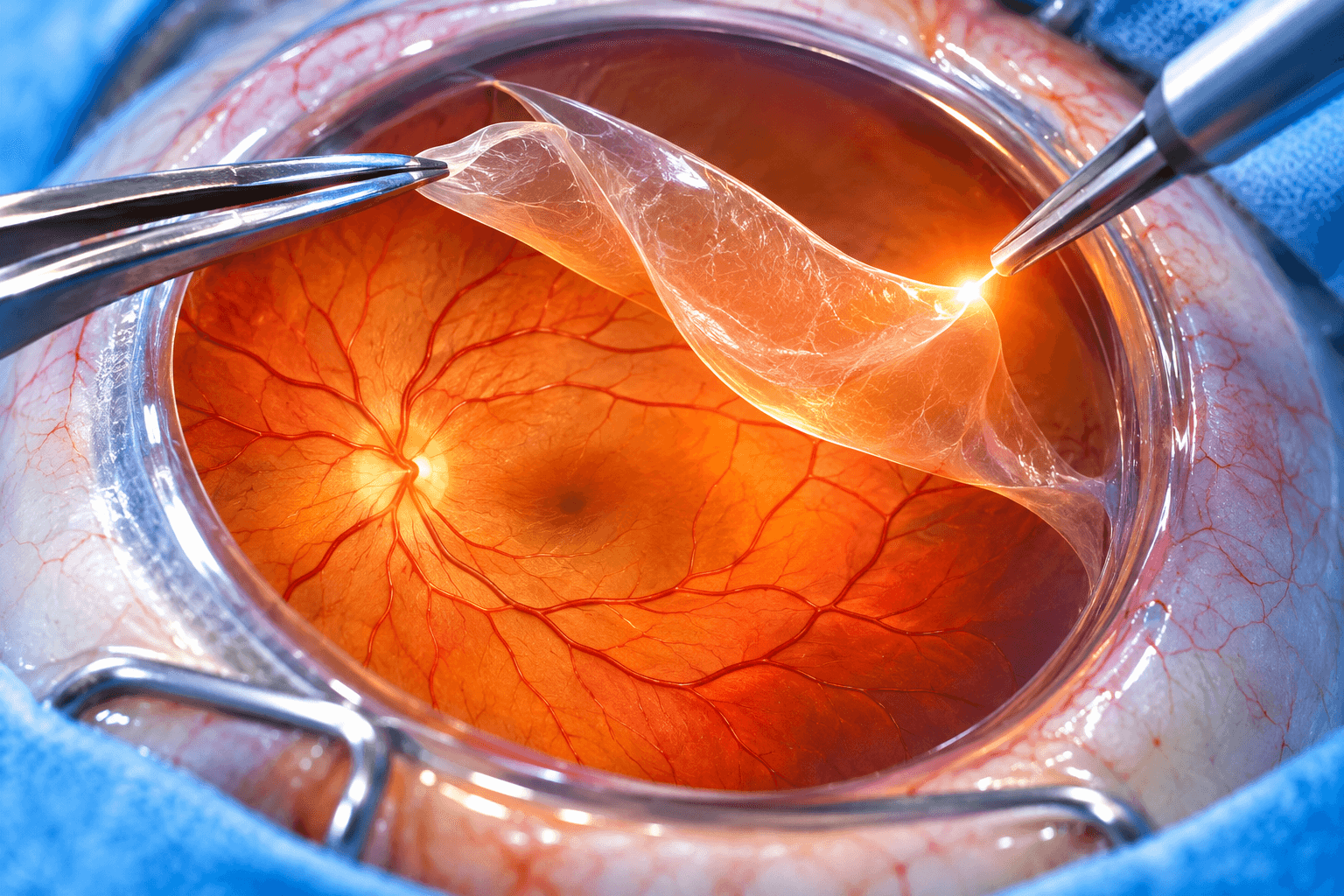
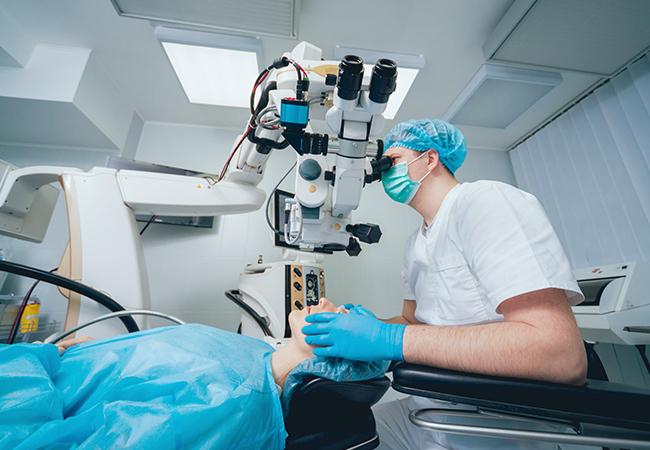
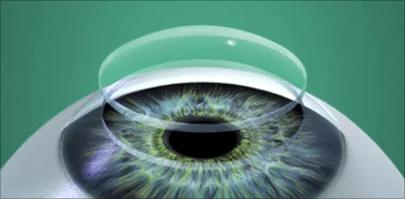
Cataract surgery in Turkey involves removing the clouded lens with ultrasound, then replacing it with an artificial lens implant. It takes 15 to 30 minutes per eye, under local anesthesia with eye drops, with no hospital stay. The choice of lens can also correct short-sightedness, long-sightedness, astigmatism and sometimes presbyopia: many patients no longer need glasses for most activities. Both eyes are usually operated on a few days apart, with a stay of 5 to 7 days. The price depends mainly on the type of lens and is set in a free quote.
TurquieMed organizes your stay: forwarding your file to the ophthalmology team, opinion and detailed quote within 48 hours, airport pick-up, transfers, hotel, interpreter and 7-day-a-week assistance.
To choose well, the key point is the lens: it stays in the eye for life. It should be chosen with the surgeon according to your measurements and lifestyle (reading, screens, night driving).
- Duration
- 15 to 30 minutes per eye
- Anesthesia
- Local, with eye drops
- Hospital stay
- None, home the same day
- Stay for both eyes
- Usually 5 to 7 days
How much does cataract surgery cost in Turkey?
The price depends mainly on the type of lens: a standard monofocal lens costs much less than a toric lens, which corrects astigmatism, or a multifocal or trifocal lens, which also corrects presbyopia. The use of a femtosecond laser and the number of eyes treated also count. For a comparable level of care, the total cost in Turkey is often significantly lower than private surgery in Western Europe or North America.
Your free quote is prepared after your file has been reviewed. It specifies the proposed lens, pre-operative tests, the procedure, eye drops, check-ups, hotel, transfers and interpreter. Your flight is usually at your own expense.
Why have cataract surgery in Turkey?
Cataract surgery is short, but its result depends on two things: the accuracy of the eye measurements and the choice of lens. Turkish eye clinics have made both steps a specialty.
- A complete biometric assessment. Optical biometry, corneal topography and retinal OCT are performed before surgery to calculate the lens as precisely as possible and aim for the best vision without glasses.
- A very wide choice of lenses. Monofocal, toric for astigmatism, extended depth of focus or trifocal: clinics offer models from the major international manufacturers, with advice suited to your activities.
- Femtosecond laser available. In several centers, the first steps of the procedure can be done by laser, for greater precision in some cases.
- Both eyes in the same stay. The second eye is operated on 1 to 3 days after the first, once the check-up is satisfactory: a single trip of 5 to 7 days is usually enough.
- High-volume surgeons. Ophthalmologists in major clinics perform phacoemulsification every day, experience that matters for delicate cases (high myopia, small pupil, tamsulosin use).
Who is cataract surgery for?
Surgery is offered when the cataract affects your daily life:
- blurred or cloudy vision that glasses no longer correct;
- glare from headlights at night or from the sun;
- less vivid colors and a need for more light to read;
- short-sightedness that changes quickly, with glasses needing frequent updates.
There is no minimum or maximum age, and it is no longer necessary to wait until the cataract is “ripe”. Another eye disease, such as macular degeneration or glaucoma, does not necessarily rule out surgery, but it can limit the gain in vision: the assessment will tell you in advance.
Which techniques and which lenses?
Phacoemulsification
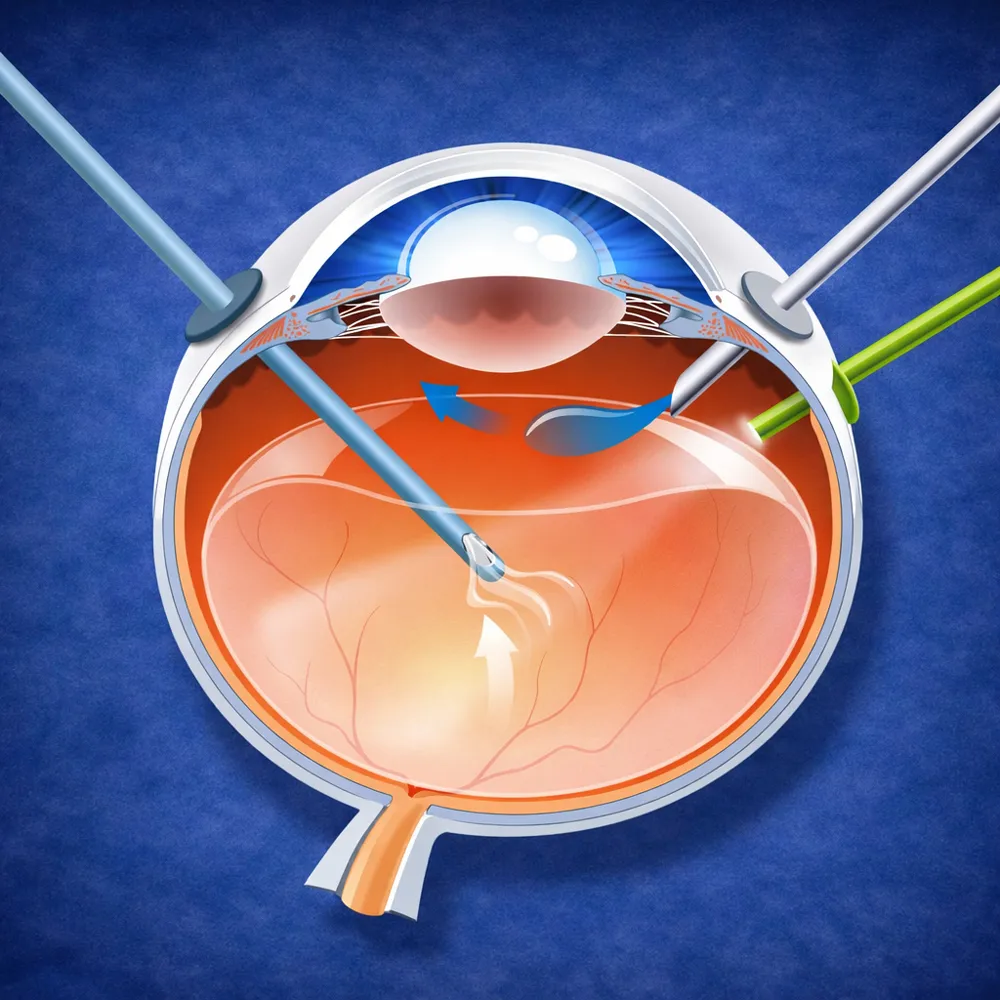
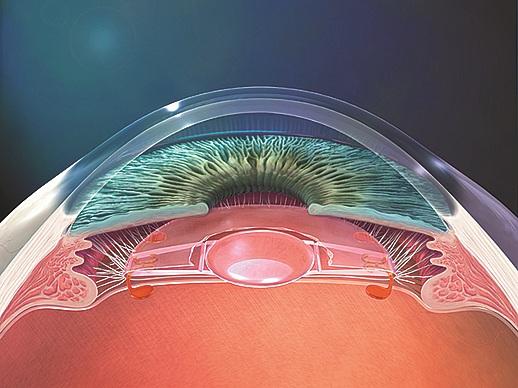
This is the reference technique. Through a 2 to 3 mm micro-incision, the surgeon breaks up the lens with ultrasound, removes it, then slides in the folded implant, which unfolds in the eye. The incision closes on its own, without stitches.
Femtosecond laser
In some clinics, a laser performs the first steps (incisions, opening the capsule, breaking up the lens) automatically. It can be useful in some cases, but visual results are close to those of standard phacoemulsification.
The lenses
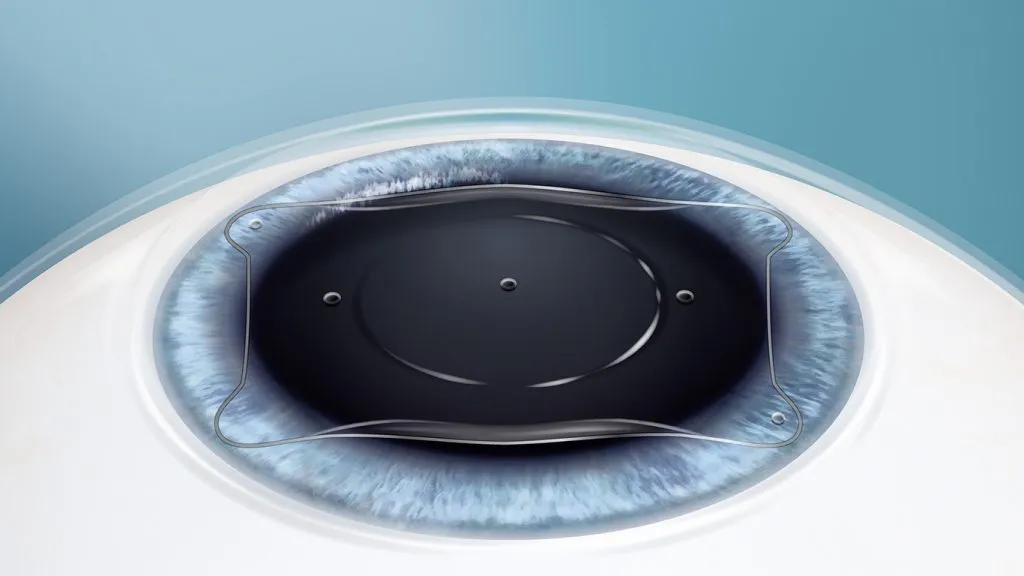
| Lens | What it corrects | After surgery |
|---|---|---|
| Monofocal | Distance vision (or near, as chosen) | Glasses for reading |
| Toric | Distance vision and astigmatism | Glasses for reading |
| Extended depth of focus (EDOF) | Distance and intermediate (screen, dashboard) | Glasses for small print |
| Multifocal or trifocal | Distance, intermediate and near | Usually no glasses, sometimes with halos at night |
Multifocal lenses are not suitable for every eye: they are not recommended in case of macular degeneration, advanced glaucoma or if you drive a lot at night. The surgeon advises you according to your tests.
How does the surgery work in Turkey, step by step?
- You send your file. Your complete medical file: eye examination reports and glasses prescription. You receive an opinion and a quote.
- Day 1: full assessment. Vision test, biometry to calculate the lens, corneal topography, retinal OCT, consultation with the surgeon and choice of lens.
- Day 2: first eye. Anesthetic drops, 15 to 30 minute operation, back to the hotel with a protective shield.
- Day 3: check-up of the first eye, then surgery on the second eye the same day or 1 to 2 days later.
- Days 5 to 7: final check-up and return. Handover of your report, eye drop prescription and lens card.
After surgery
Vision often clears from the next day and stabilizes within 2 to 4 weeks. You use eye drops for about 4 weeks. For one week, avoid rubbing the eye, pool water and dust. Flying is usually possible from the day after surgery. New glasses, if needed, are prescribed after 4 to 6 weeks, near home.
What are the risks of cataract surgery?
It is one of the most frequently performed and safest operations in the world: more than 9 out of 10 patients see better afterwards. Most side effects are mild and temporary.
| Possible effect | Frequency | Good to know |
|---|---|---|
| Itchy eye, gritty feeling, red eye | Common | Passes within a few days with eye drops |
| Halos around lights at night | Mainly with multifocal lenses | Usually decrease within a few months |
| Vision clouding again (secondary cataract) | Possible after months or years | Treated in minutes by YAG laser, without surgery |
| Infection or retinal detachment | Very rare | Needs urgent treatment: hence the importance of check-ups |
How to choose your clinic and quote?
A low price is not enough. Ask the hospital these questions before committing:
- Is the hospital authorized by the Turkish Ministry of Health to treat international patients?
- Who will perform the surgery, and how experienced are they with this technique?
- Which lens is proposed (brand, model, monofocal, toric or multifocal), and why for you?
- Is the full assessment (biometry, topography, OCT) included in the quote?
- Who takes care of a complication, on site and after your return home?
- What ophthalmological follow-up is planned, and with whom?
What a good quote should specify
- The name of the hospital and the doctor
- The tests, anesthesia, hospital stay and medication included
- The number of nights in hospital and at the hotel, and the transfers
- What happens in case of complication or cancellation
- The follow-up offered after your return
Also budget for your flight and follow-up consultations. Planned treatment in Turkey is usually not covered by public health insurance: ask your insurer in writing before committing.
Take time to think, and be wary of any offer that pushes you to decide quickly.
Our partner hospitals in Turkey









Frequently asked questions about cataract surgery in Turkey
How much does cataract surgery cost in Turkey?
The price depends mainly on the lens: a monofocal lens costs much less than a toric or multifocal lens, and the femtosecond laser adds a supplement. It is usually well below private prices in Western Europe or North America. The exact price appears on your free quote, which specifies the lens, tests, procedure, eye drops and check-ups.
Can both eyes be operated on during the same stay?
Yes, this is most common for patients coming from abroad: the second eye is operated on 1 to 3 days after the first, once the check-up of the first eye is good. Plan on 5 to 7 days in Turkey.
Is the surgery painful?
No. The eye is numbed with drops, and a light sedative may be given. You see light, but not the instruments. After surgery, the eye may itch or sting for a few days, without real pain.
Will I be able to stop wearing glasses?
With a multifocal or trifocal lens, most patients no longer need glasses day to day. With a monofocal lens, you see clearly at a distance, but need glasses for reading. The surgeon helps you choose according to your activities and the condition of your eyes.
When can I fly after surgery?
Usually from the day after surgery, after the check-up: cataract surgery does not use gas in the eye. Use your eye drops during the flight and avoid rubbing your eyes.
Which documents should I send to get an opinion?
Send your latest eye examination reports, your glasses prescription, your medical history and a list of your medication. In particular, mention blood thinners and prostate medication such as tamsulosin, which require precautions during surgery. The precise lens measurements are repeated on site.
Is cataract surgery in Turkey covered by insurance?
Cataract surgery is often covered by health insurance when done at home, but planned treatment in Turkey is usually not reimbursed, and premium lenses often remain at your own expense even at home. Ask your insurer in writing before committing.
Request a free medical opinion and quote
Send us your complete medical file: eye examination reports, imaging and glasses prescription. The medical team will review it, and you will receive a detailed medical opinion and an estimated quote.