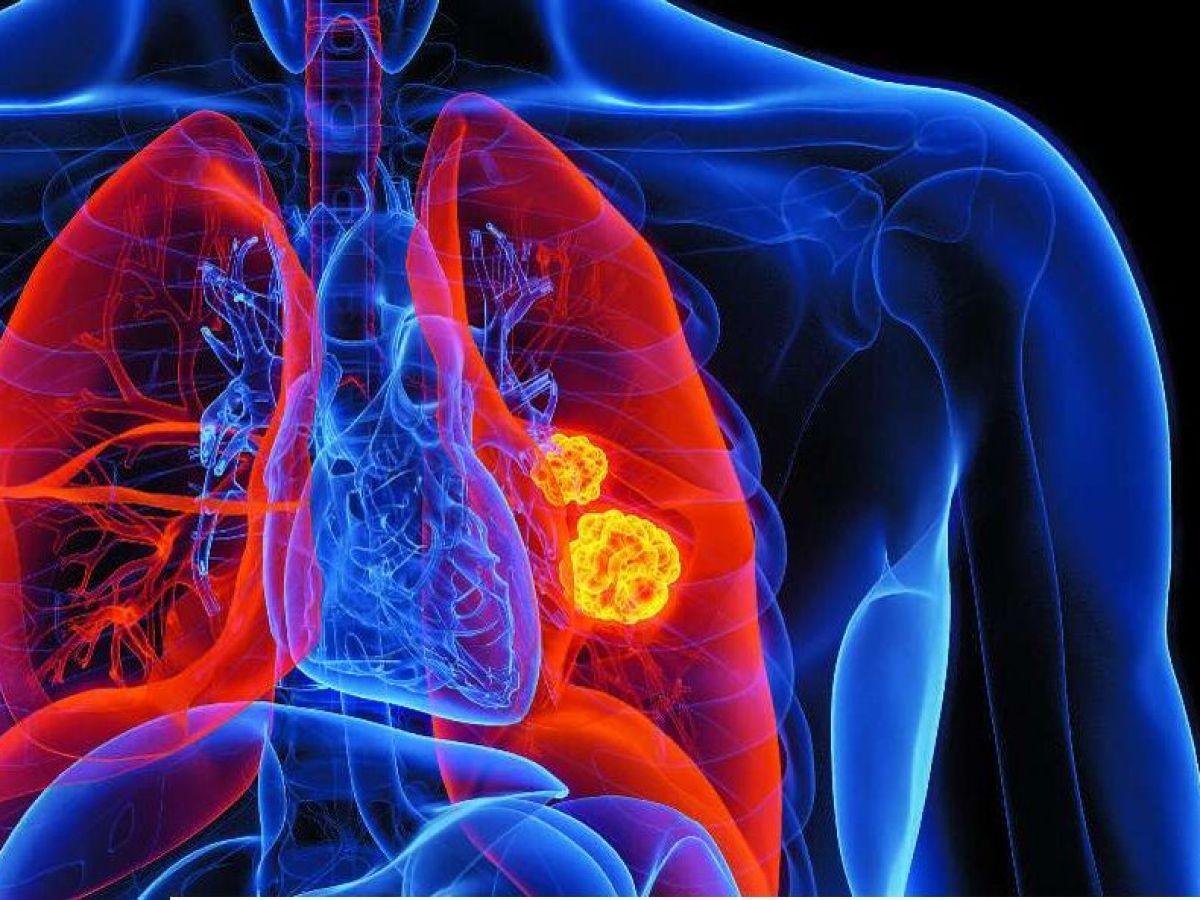
Liver cancer treatment in Turkey: surgery, transplant and advanced techniques
Symptoms, diagnosis, surgery, transplant, interventional radiology treatments, follow-up and prices: everything you need to know about liver cancer treatment in Turkey.
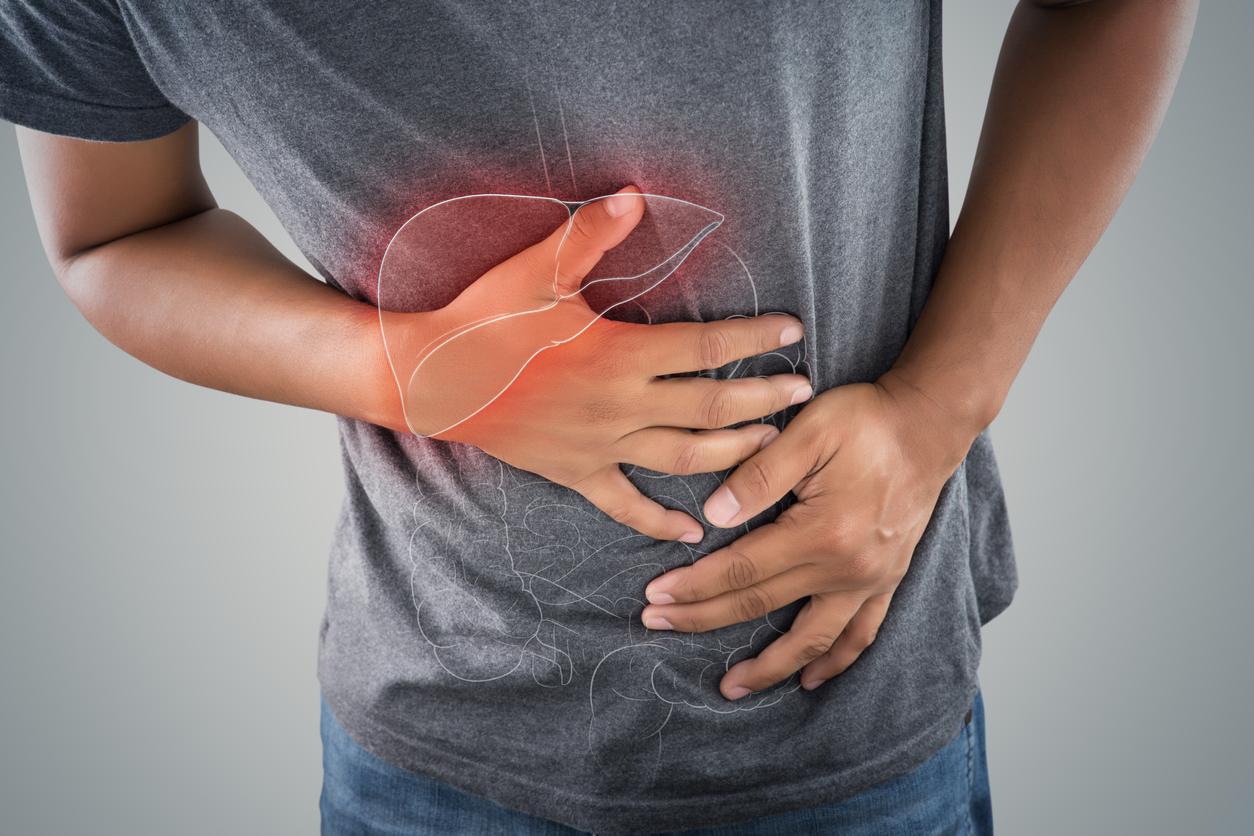
What does liver cancer treatment in Turkey involve?
The most common liver cancer, hepatocellular carcinoma, usually develops in a liver already weakened by cirrhosis, hepatitis B or C, or liver disease linked to alcohol or excess weight. It is often discovered during ultrasound monitoring of these diseases.
Liver cancer treatment in Turkey is provided by liver surgeons, hepatologists, interventional radiologists and oncologists in modern hospitals in Istanbul, Ankara and Izmir, authorized by the Turkish Ministry of Health. Depending on the size of the tumor and the condition of the liver, it relies on surgery, destruction of the tumor by radiofrequency or microwave ablation, chemoembolization, radioembolization, a liver transplant or medical treatments. Turkey is one of the countries performing the most living donor liver transplants in the world. A first opinion can be given remotely based on your CT scan or MRI and blood tests. The price is set in a free quote, after your file has been reviewed.
TurquieMed organizes your stay: forwarding your file to the medical team, opinion and detailed quote within 48 hours, airport pick-up, transfers, hotel, interpreter and 7-day-a-week assistance.
The key criterion for choosing well is a team that masters every option (surgery, interventional radiology, transplant): it can offer you the one that truly suits your liver.
- First opinion
- Within 48 hours, based on your file
- Treatments
- Surgery, ablation, embolization, transplant
- Stay
- From a few days to several weeks
- Follow-up
- With your hepatologist, back home
How much does liver cancer treatment cost in Turkey?
The price varies greatly with the treatment: radiofrequency ablation or chemoembolization requires a few days in hospital, whereas liver surgery or a transplant is a major operation, with a longer stay. For a comparable level of care, the total cost in Turkey is often significantly lower than in Western Europe or North America.
Your free quote is prepared after your file has been reviewed. It details each step: tests, procedure, hospital stay, medication, hotel, transfers and interpreter. Your flight is usually at your own expense.
Why have liver cancer treated in Turkey?
Liver cancer can be treated in many ways: surgery, interventional radiology, transplant or medical treatments. The choice depends as much on the tumor as on the condition of the liver, and requires a team that masters all these options. Turkey is among the most experienced countries in this field.
- A world reference in liver transplantation. Turkey is one of the countries performing the most living donor liver transplants, which avoids a long wait for an organ.
- Expert liver surgery. Liver surgeons regularly perform hepatectomies, including by laparoscopy, with precise assessment of the remaining liver volume.
- Cutting-edge interventional radiology. Radiofrequency, microwave ablation, chemoembolization and Yttrium-90 radioembolization treat many tumors without opening the abdomen.
- Treatment matched to the condition of your liver. The liver surgeon, hepatologist, interventional radiologist and oncologist assess the tumor and the liver reserve together, using the international BCLC classification, before proposing an option.
- Transplant and intensive care units. Partner centers, several of them JCI-accredited, have dedicated liver transplant and intensive care teams, essential for major liver procedures.
- A stay suited to each treatment. From 5 to 7 days for radiofrequency ablation to about 2 months for a transplant: the length of stay and on-site follow-up are planned before you arrive.
What are the causes and risk factors of liver cancer?
Liver cancer (hepatocellular carcinoma) usually develops in a liver that is already diseased. The main risk factors are:
- cirrhosis: whatever its cause, present in the vast majority of cases;
- chronic hepatitis B and C: hepatitis B can cause cancer even without cirrhosis;
- alcohol: drunk in excess over many years;
- fatty liver disease: linked to excess weight and diabetes, and increasingly common;
- certain toxins: such as aflatoxin, found in poorly stored foods.
Hepatitis B vaccination, treating hepatitis and a liver ultrasound every 6 months in case of cirrhosis help prevent it or find it early.
What are the symptoms of liver cancer?
At first, liver cancer often causes no symptoms. Later, it may cause:
- pain or discomfort under the right ribs;
- tiredness, loss of appetite and weight loss;
- yellowing of the skin and eyes (jaundice);
- swelling of the abdomen.
These signs can also come from another liver disease. If you have cirrhosis or chronic hepatitis, an ultrasound every 6 months can detect cancer very early, when it is most treatable.
How is liver cancer diagnosed?
Imaging
A contrast-enhanced CT scan or MRI of the liver is often enough to make the diagnosis when the tumor looks typical. Otherwise, a biopsy is performed.
Blood tests
They assess how well the liver is working and measure alpha-fetoprotein (AFP), a marker of the disease.
The condition of the liver
The choice of treatment depends as much on the tumor as on the condition of the surrounding liver: a healthy liver can withstand surgery, while a badly damaged liver points rather to other solutions, including a transplant.
What are the stages of liver cancer and the chances of cure?
The stage takes into account the size and number of tumors, but also the condition of the liver and your general health. The most widely used classification (BCLC) directly guides treatment.
| Stage | Situation | Usual treatments |
|---|---|---|
| Very early and early (0 and A) | One tumor, or up to 3 small tumors, well-functioning liver | Surgery, radiofrequency ablation or liver transplant |
| Intermediate (B) | Several tumors in the liver, with no spread beyond | Chemoembolization or radioembolization |
| Advanced (C) | Liver blood vessels involved or spread outside the liver | Immunotherapy combined with targeted therapy |
| End-stage (D) | Liver no longer working well | Comfort care; transplant in some cases |
At early stages, surgery, radiofrequency ablation or a transplant can cure many patients. At more advanced stages, recent treatments have clearly lengthened survival. Hence the value of monitoring people with cirrhosis.
What are the treatments for liver cancer?
The protocol depends on the number and size of the tumors, the condition of the liver and your general health. It is decided by a multidisciplinary tumor board.
Surgery
The surgeon removes the part of the liver containing the tumor: this is a hepatectomy. The remaining liver regenerates within a few weeks. It is possible when the liver is in fairly good condition. The hospital stay usually lasts 5 to 10 days.
Radiofrequency or microwave ablation
For small tumors, a needle is inserted through the skin, guided by imaging, to destroy the tumor with heat. The hospital stay lasts 1 to 2 days.
Chemoembolization and radioembolization
Through a small catheter passed into an artery, the radiologist injects chemotherapy or radioactive microspheres directly into the tumor, while blocking its blood supply. They are suited to more numerous or larger tumors.
Liver transplant
It treats both the cancer and the liver disease. It is offered when the tumors remain limited and the liver is badly damaged. In Turkey, it is most often performed with a living donor from the family, which avoids a long wait.
Medical treatments
For advanced disease, immunotherapy combined with a targeted therapy is now the standard treatment.
How does your treatment in Turkey work?
- You send your file. The team proposes a protocol and you receive a detailed quote.
- Arrival and tests. Airport pick-up, consultation, blood tests and imaging if needed.
- The treatment. Ablation or embolization: 1 to 3 days in hospital. Surgery: 5 to 10 days. Transplant: 3 to 4 weeks in hospital, then monitoring nearby.
- The return. Check-up, handover of your complete file, then flight home.
Plan on 5 to 7 days in Turkey for ablation or embolization, 2 to 3 weeks for surgery, and about 2 months for a transplant.
Follow-up after treatment
Follow-up combines liver imaging (CT or MRI) and a blood test with AFP every 3 months in the first year, then every 3 to 6 months. The underlying liver disease, such as hepatitis, continues to be treated. This follow-up takes place close to home, with your hepatologist.
After a transplant, anti-rejection treatment is taken for life, with regular follow-up by a transplant team.
What are the possible side effects?
Current techniques are less demanding than before: many liver treatments are now performed without opening the abdomen. Most side effects are temporary.
| Effect | After which treatment | Good to know |
|---|---|---|
| Fever, pain, nausea for a few days | Embolization | Common and relieved by simple treatments |
| Pain at the puncture site | Ablation | It goes away within a few days |
| Tiredness and pain in the first weeks | Surgery, transplant | They ease during recovery |
| Tiredness, digestive problems, skin reactions | Medical treatments | Monitored regularly, the dose can be adjusted |
How to choose your hospital and quote?
A low price is not enough. Ask the hospital these questions before committing:
- Is the hospital authorized by the Turkish Ministry of Health to treat international patients?
- Who will perform the procedure, and how experienced are they with this technique?
- Does the team offer every option (surgery, ablation, embolization, transplant), so the best one can be chosen for you?
- Is your file discussed by a multidisciplinary tumor board (surgeon, hepatologist, radiologist, oncologist)?
- Who takes care of a complication, on site and after your return home?
- What medical follow-up is planned, and with whom?
What a good quote should specify
- The name of the hospital and the doctor
- The tests, anesthesia, hospital stay and medication included
- The number of nights in hospital and at the hotel, and the transfers
- What happens in case of complication or cancellation
- The follow-up offered after your return
Also budget for your flight and follow-up consultations. Planned treatment in Turkey is usually not covered by public health insurance: ask your insurer in writing before committing.
Take time to think, and be wary of any offer that pushes you to decide quickly.
Our partner hospitals in Turkey







Frequently asked questions about liver cancer treatment in Turkey
How much does liver cancer treatment cost in Turkey?
The price depends mainly on the treatment: radiofrequency ablation or chemoembolization costs much less than liver surgery or a transplant. It is usually significantly lower than prices in Western Europe or North America. The exact price appears on your free quote, prepared after your file has been reviewed.
What are the chances of a cure?
When the cancer is found early, surgery, ablation or a transplant can cure it in many cases. After a transplant offered according to the usual criteria, about 7 out of 10 patients are alive 5 years later. For advanced disease, current treatments can control the disease for longer than before.
How does a living donor liver transplant work?
A healthy relative, usually a family member, donates part of their liver, which grows back within a few weeks in both the donor and the recipient. The donor undergoes a full check-up to make sure they can donate without significant risk. In Turkey, the law strictly regulates this donation, which must be voluntary and unpaid.
How long do I need to stay in Turkey?
Plan on 5 to 7 days for ablation or embolization, 2 to 3 weeks for liver surgery, and about 2 months for a transplant, including monitoring after discharge from hospital.
Which documents should I send to get an opinion?
Send the liver CT scan or MRI, with the images if possible, recent blood tests (liver function, AFP, clotting), the biopsy report if there is one, and information about your liver disease (hepatitis, cirrhosis), your medical history and current treatments.
Can a liver tumor come from another cancer?
Yes, very often: liver tumors are frequently metastases from another cancer, particularly colon cancer. They are not treated like a cancer that starts in the liver, but they can also be removed or destroyed in some cases. Our colon cancer page covers this.
Is treatment in Turkey covered by insurance?
Planned treatment in Turkey is usually not covered by public health insurance systems, which generally only reimburse urgent and unforeseen care abroad. Some private insurers and international health plans do cover treatment abroad: ask your insurer in writing before committing, and keep all your invoices and medical reports.
Request a free medical opinion and quote
Send us your complete medical file: reports, imaging and test results. The medical team will review it, and you will receive a detailed medical opinion and an estimated quote.